Sociocultural factors that influence the prevention of malaria in Ohangwena region, Namibia
Abstract
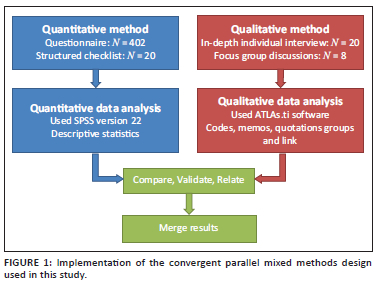
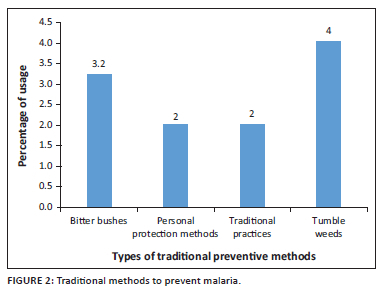
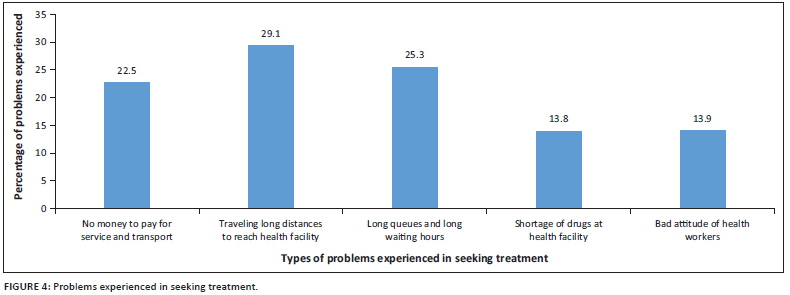
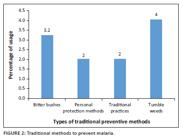
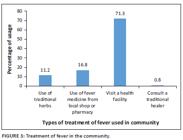
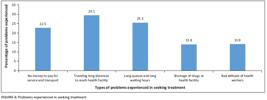
BACKGROUND: Namibia is undergoing an epidemiological transition after decline in local transmission of malaria, and the country is now in a position to move towards eliminating local transmission by 2030. However, malaria prevalence cannot be adequately explained from medical and modern prevention points of view alone. The persistence of malaria might appear as a result of not recognising sociocultural factors that seem useful in the prevention of malaria, Hence, studies on sociocultural factors are limited AIM: The aim of this study was to describe the sociocultural factors that influence the prevention of malaria in Ohangwena region SETTING: The study was conducted in Ohangwena region of northern Namibia METHODS: This study was a cross-sectional study and a mixed methods, convergent parallel design was employed RESULTS: The major theme revealed that traditional prevention methods of malaria are widely available in rural communities. The best accepted traditional prevention methods include tumbleweed, bitter bush and animal dung. Quantitative findings indicated that 67.0% of participants felt that nets are expensive. Key barriers included the long distance to access health facilities (29.1%), long waiting times (25.8%) and the lack of money to pay for services and transport (22.5% CONCLUSION: The limited access to and cost of Western prevention methods minimise protection because of priority and resource allocations, but it could be mitigated with the use of locally available traditional prevention practices used for many years in curbing malaria. There is a need to create awareness about socioculturally congruent malaria care CONTRIBUTION: This study has revealed the need to combine standard prevention with traditional prevention practices in the fight against malaria, and it intensified research focusing on interventions that address sociocultural factors for the prevention of malaria in endemic regions. In addition, part of the novelty of the study is establishing the need to test the efficacy of traditional practices used
sociocultural factors; prevention; malaria; Ohangwena region; Namibia
 Thumbnail
 Thumbnail
 Thumbnail
 Thumbnail
 Thumbnail