Voluntary male medical circumcision of pre-school-aged boys in primary care
Abstract
Voluntary medical male circumcision (VMMC) is a priority human immunodeficiency virus (HIV) preventive intervention. Challenges in funding national VMMC programmes mandate us to adopt new methods to provide circumcisions in a primary care setting. This study aims to test the practicality of instrument-assisted circumcision in primary care in pre-school-age boys. The study setting was one primary care centre in Western Cape, South Africa. The methodology adopted is prospective case series of minimally invasive voluntary circumcision using the Unicirc instrument in boys less than 6 years of age. We circumcised 221 healthy boys using the Unicirc instrument, using a combination of topical anaesthetic, subcutaneous local anaesthetic and intramuscular ketamine. There were 5 (2.3%) mild complications and 48 (21.7%) had mucosal swelling as a result of lysis of physiological phimosis. All boys were fully healed at 2 weeks and all caregivers were highly satisfied. Using a circumcision instrument in primary care simplifies circumcision in pre-school-age boys and has a low rate of adverse events. This study demonstrates that a new model of circumcision in primary care may enhance national VMMC programmes.
HIV prevention; minimally invasive surgery; circumcision; Voluntary Medical Male Circumcision; VMMC; instrument-assisted circumcision; paediatric surgery; surgical instruments; primary care; Unicirc
Background
Along with perinatal prophylaxis, antiretroviral treatment and pre-exposure prophylaxis (PREP), male circumcision comprises a crucial role in human immunodeficiency virus (HIV) prevention efforts in southern Africa.12
In countries with a high prevalence of HIV, circumcision prior to the debut of sexual activity is an effective and long-term preventive intervention. The neonatal period is an ideal time to circumcise boys, because (unlike boys of an age greater than 1 month), suturing the line of excision is not needed and the risk of bleeding is very low. The procedure is either performed in hospital prior to discharge of the newborn or in the home as part of a religious ceremony.
Given the simplicity of the procedure when performed with a surgical instrument (e.g., the Gomco clamp or the Mogen clamp), the frequency of adverse events is 4 per 1000 procedures for early infant circumcision. However, this number increases 10- to 20-fold in older boys who have historically been circumcised using open surgical methods by surgeons.3
Based on the Gomco clamp, the Unicirc device is a commercially available, single-use-only, disposable plastic and metal instrument developed and licensed in South Africa (Figure 1). Simunye Primary Health Care has been using the Unicirc to perform VMMCs in men and boys of all ages for over a decade.4
Research methods and design
This is a prospective case series of circumcisions among boys from the newborn period less than 6 years of age in a single primary care practice in Mitchell's Plain, South Africa. All circumcisions were performed by family physicians.
Analgesia
Our protocol for analgesia and sedation was based on best practices in this age group.
Healthy boys were fasted for 2 h prior to the procedure, and those with upper respiratory or other infections were excluded. We measured oxygen saturation continuously and had suction available.
Surgical procedure
The method of using Unicirc included freeing of adhesions and performing a dorsal slit where indicated and has been described in detail previously.5,6
Ethical considerations
Ethical approval to conduct this study was obtained from The South African Medical Association Research Ethics Committee (SAMAREC). Parents or guardians provided written informed consent for the surgical procedure and reporting of outcome data. Permission to photograph was obtained separately. All data were anonymised and kept confidential. The SAMAREC approved Unicirc for Phase IV (post-licensing) use (06 March 2014).
Results
The circumcisions were performed on all 221 boys consecutively from June 2020 to August 2023.
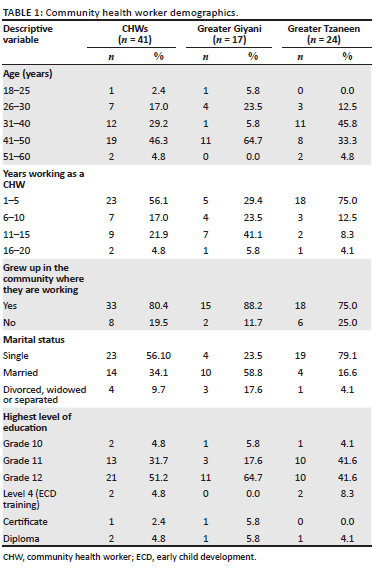
The boys' age and reasons for circumcision are shown in Table 1. Median age was 15 months and the median weight was 11 kg.
All boys required foreskin dilatation; overall 40% required a dorsal slit in order to insert the transparent bell over the glans.
Anaesthesia
Prior to any local anaesthetic injection, we used Emla (lidocaine and prilocaine) topical cream at the injection site. The main analgesic modality was a penile ring block, which is a simple subcutaneous injection of lidocaine and bupivacaine mixture at the base of the penis.
Sedation is needed, especially in the 1 year to 3 year age group, and intramuscular ketamine was the agent of choice. It causes no respiratory depression or suppression of the gag reflex, is effective for the time required with a single intramuscular dose of 5 mg/kg body weight and provides post-operative analgesia. Overall, 81% of the boys required ketamine sedation.
All boys were fully healed within 14 days. Caregivers uniformly reported that cosmetic results were excellent.
Adverse events
All circumcisions were completed within 15 min. No serious adverse events occurred. Three boys had post-operative adhesions, which were released under topical anaesthetic and two boys had mild bleeding, treated with additional tissue adhesive. As expected, 48 boys (21.7%) had mucosal swelling as a result of lysis of physiological adhesions. There were no serious adverse events.
Discussion
Given the recent reduction of external funding, it is imperative for areas with high HIV prevalence to develop cost-effective domestic VMMC programmes. New techniques for circumcising boys in the primary care realm, where preventive care is most effectively delivered, are a promising avenue.
The newborn period is the ideal time for circumcision. It is often performed by house officers with minimal training and few complications. After that, the risk of adverse events goes up substantially and young boys do not cooperate. However, many mothers want their boys circumcised. Generally, circumcision has been carried out in the pre-school age group by specialists under general anaesthesia.
The open surgical method for post-neonatal circumcision is now outdated. This study shows for the first time that circumcision can be safely performed in a primary care setting in this age group using simple intramuscular sedation and a novel surgical instrument developed in Africa.
Unicirc has features that make it more attractive than other options. It is a commercially available single-use, pre-sterilised, disposable instrument, which prevents potential cross contamination. The disadvantages of devices such as the Shang Ring are that they require a second procedure and specialised instruments for removal after 1 week, and delayed healing by secondary intention may result in disease transmission.7
Training to do open surgical circumcisions, on the other hand, is labour intensive and time consuming. Complication rates are high and cosmetic results are less than ideal.
We have previously trained nurses to perform Unicirc circumcisions,8
Primary care is the ideal venue for performing circumcision in all ages and, taking a lesson from immunisation programmes, 'missed opportunities' can be prevented by providing this service where men and boys come for care.
Competing interests
The authors declare that they have no financial or personal relationships that may have inappropriately influenced them in writing this article.
Authors' contributions
N.D.G. and P.S.M. have made substantial contributions to the conception and design of the work; the acquisition, analysis and interpretation of data and have participated in drafting the article and revising it critically for important intellectual content. Each author has approved the final version to be published and agrees to be accountable for all aspects of the work, ensuring that questions related to the accuracy or integrity of any part of the article are appropriately investigated and resolved.
Funding information
This research received no specific grant from any funding agency in the public, commercial or not-for-profit sectors.
Data availability
There are no restrictions on access to data. The data are not published on the web or other locations. Interested parties will need to contact the corresponding author, P.S.M., for the raw data.
Disclaimer
The views and opinions expressed in this article are those of the authors and are the product of professional research. The article does not necessarily reflect the official policy or position of any affiliated institution, funder, agency or the publisher. The authors are responsible for this article's results, findings and content.
Acknowledgements
References
-
1.World Health Organization. Voluntary medical male circumcision for HIV prevention [homepage on the Internet]. 2025 [cited 2025 Jan 22]. Available from: https://www.who.int/teams/global-hiv-hepatitis-and-stis-programmes/hiv/prevention/voluntary-medical-male-circumcision
» https://www.who.int/teams/global-hiv-hepatitis-and-stis-programmes/hiv/prevention/voluntary-medical-male-circumcision -
2.Global HIV Prevention Coalition. Global HIV Prevention Coalition Newsletter January 2025 [homepage on the Internet]. Geneva: UNAIDS; 2025 [cited 2025 Jan 22]. Available from: https://hivpreventioncoalition.unaids.org/en/news/global-hiv-prevention-coalition-newsletter-january-2025
» https://hivpreventioncoalition.unaids.org/en/news/global-hiv-prevention-coalition-newsletter-january-2025 -
3.El Bcheraoui C, Zhang X, Cooper CS, et al. Rates of adverse events associated with male circumcision in U.S. medical settings, 2001 to 2010. JAMA Pediatr. 2014;168(7):625-634. https://doi.org/10.1001/jamapediatrics.2013.5414
» https://doi.org/10.1001/jamapediatrics.2013.5414 -
4.Millard PS, Goldstuck ND. No needle, single-visit adult male circumcision with Unicirc: A multi-centre field trial. PLoS One. 2015;10(3):e0121686. https://doi.org/10.1371/journal.pone.0121686
» https://doi.org/10.1371/journal.pone.0121686 -
5.Shenje J, Millard PS. Sutureless adult voluntary male circumcision with topical anesthetic: A randomized field trial of Unicirc, a single-use surgical instrument. PLoS One. 2016;11(6):e0157065. https://doi.org/10.1371/journal.pone.0157065
» https://doi.org/10.1371/journal.pone.0157065 -
6.Millard PS, Goldstuck ND. Minimally invasive, sutureless, adolescent male circumcision with topical anesthetic: A field trial of Unicirc, a single-use surgical instrument. Transl Androl Urol. 2020;9(2):516-522. https://doi.org/10.21037/tau.2019.12.16
» https://doi.org/10.21037/tau.2019.12.16 -
7.Millard PS. Circumcision - What's wrong with plastic rings? S Afr Med J. 2012;102(3):126-129. https://doi.org/10.7196/SAMJ.5419
» https://doi.org/10.7196/SAMJ.5419 -
8.Goldstuck ND. Male medical circumcision for the control of human immunodeficiency virus by nurses using the Unicirc assist device. J Biotech Biomed. 2023;6:579-584. https://doi.org/10.26502/jbb.2642-91280120
» https://doi.org/10.26502/jbb.2642-91280120

Accepted: 11 Sept. 2025
Published: 04 Nov. 2025