Environmental prescribing for asthma and chronic obstructive pulmonary disease
Robert MashI; Helen TwohigII
IDivision of Family Medicine and Primary Care, Faculty of Medicine and Health Sciences, Stellenbosch University, Cape Town, South Africa
IISchool of Medicine, Keele University, Keele, United Kingdom
Asthma and chronic obstructive pulmonary disease in Africa
Chronic respiratory diseases are common in Africa. This group of diseases includes asthma, chronic obstructive pulmonary disease (COPD), post-tuberculosis structural lung damage and pneumoconiosis. Despite being common, they are often relatively neglected and even among non-communicable diseases, diabetes, cardiovascular diseases and hypertension steal the limelight. Given the number of people affected, however, these chronic conditions need to be managed in primary care. Asthma typically affects children, adolescents and younger adults with an atopic background.1234567
Treatment for asthma
The Global Initiative for Asthma (GINA) 2025 guidelines recommend a stepwise approach to treatment of asthma with early use of inhaled steroids to treat inflammation and control symptoms.1 These guidelines recommend the use of combined ICS-formoterol inhalers which can be used 'as-needed' for mild asthma (anti-inflammatory reliever therapy [AIR]) or regularly for moderate or severe asthma (maintenance and reliever regimes [MART]). This ensures patients receive ICS whenever they use their reliever and has the advantage of meaning just one inhaler is needed. However, an alternative approach using separate maintenance and reliever inhalers is also outlined in the GINA guidance, and in the African setting, the steps in Figure 1 are more likely to be feasible. Short acting beta2-agonists (SABA) can be used as the reliever but should not be used as monotherapy because they do not address the underlying inflammatory pathology and do not protect against severe exacerbations or even death.8
In Africa, however, access to ICS is very limited. Many patients attend pharmacies when they are acutely wheezing and only receive a SABA. Sometimes this is not even an inhaler but syrup or tablets or even oral theophylline, which work slowly and have many other side effects. It is often quicker and more profitable to just give a SABA. Primary care providers may not be well trained in the management of asthma and ICS may not be available in primary care facilities or out of stock. Sometimes patients bypass primary care to attend the district hospital emergency centre, where they may still be treated with a SABA and discharged. It is also possible for patients to receive multiple prescriptions for oral steroids, without ICS, that also have serious side effects if used too often. Pressurised metered dose inhalers (MDIs) should be used with spacers to ensure that the inhaled therapy reaches the lungs, but these are even less likely to be available. Sometimes primary care providers promote making your own spacer from a cool drink bottle. To improve the quality of life of people living with asthma and prevent unnecessary deaths, it is essential that primary care has a reliable supply of ICS and spacer devices; primary care providers must also be able to assess the level of control by asking a few key questions (Table 1), be able to demonstrate and explain how to use an inhaler or spacer, and be able to identify and address common allergens and triggers.9Table 1).
Treatment for chronic obstructive pulmonary disease
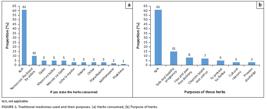
Chronic obstructive pulmonary disease presents with increasing breathlessness on physical activity, which can be categorised in terms of severity (Table 2 and Table 3).11,12 The most important part of treatment is to stop exposure to the external pollutant. Smoking cessation is therefore critical, and primary care providers need skills in brief behaviour change counselling.131415
People with COPD are also prone to infective exacerbations. Co-morbidity with cardiovascular disease is also common and driven by tobacco smoking. Pulmonary hypertension from COPD can lead to right sided cardiac failure (cor pulmonale) in severe cases. The focus of treatment is preventing further loss of lung function.142 agonist (LABA) to improve breathlessness.4Table 2 and Table 3), these can be combined. If someone has two or more moderate exacerbations or one or more hospitalisations in the last 12 months, or if their eosinophil count is ≥ 300 cells/µL, or if they also have features of asthma, then addition of an ICS should be considered.
Environmental issues with prescribing
There have been few carbon footprints of health services in Africa. However, a recent study of primary care facilities in the Cederberg subdistrict of South Africa showed MDIs made up 34% of the total footprint (Figure 2).162, and hydrofluorocarbons can remain in the atmosphere between 1.4 years and 270 years.17
Many commentators on climate change make the point that Africa's contribution to the problem is relatively negligible. However, future directions are less clear. For example, South Africa's per capita emissions are already greater than many European countries,1819
Environmentally responsible prescribing
As we improve access to quality care for chronic respiratory diseases in Africa, there is an opportunity to also reduce the carbon footprint. In asthma, for example, greater use of ICS will lead to better disease control with reduced need for SABA and fewer exacerbations, which will therefore reduce the overall carbon footprint. Well-controlled asthma should have a significantly lower carbon footprint compared to asthma that is not controlled due to reduced use of relievers.20,21 Additional approaches that can reduce the carbon footprint from MDIs are to consider prescribing inhalers that have a lower volume of propellant, such as Salamol or Airomir, rather than those with a larger cannister, such as Ventolin, and to consider prescribing fewer puffs of a higher strength inhaler (e.g. 1 puff twice daily of beclomethasone dipropionate 100 mcg instead of 2 puffs twice daily of beclomethasone dipropionate 50 mcg).22,23 The use of combination inhalers also reduces the amount of propellent used.202425
The higher cost of DPIs, however, is a potential barrier to their use. In high-income countries such as United Kingdom (UK), the cost is the same (e.g. Fostair 100/6 the MDI and DPI are both $39.28 according to the British National Formulary), but in a country such as South Africa, DPIs are more expensive and not available in the public sector. The approved drug list in South Africa for the public sector includes only one DPI. Relative costs are for fluticasone (250 mcg)/salmeterol (50 mcg) DPI (60 doses) (R113.85, $6.70) versus fluticasone (125 mcg)/salmeterol (25 mcg) MDI (120 doses) (R74.75, $4.40).262728
Conclusion
The latest GINA and GOLD guidelines should be adapted for local use in African countries. Treatment of asthma and COPD needs to be supported in essential drug lists, especially the supply of ICS for asthma, and the supply chain should extend to primary care where these conditions need to be managed. Primary care providers need to be trained in the diagnosis, assessment and ongoing care of people with these conditions, including skills and knowledge to empower patients. Improving quality of care can occur alongside reducing carbon emissions through making ICS widely available, using a greater proportion of DPIs and looking to a new generation of MDI propellants.
Competing interests
The author, Robert Mash, is the Editor-in-Chief of this journal. Robert Mash has no other competing interests to declare. This article was edited and peer reviewed independently by the editors for the Therapeutic Letter series.
CRediT authorship contribution
Robert Mash: Writing - original draft. Helen Twohig: Writing - review & editing. All authors reviewed the article, contributed to the discussion of results, approved the final version for submission and publication and take responsibility for the integrity of its findings.
Funding information
The article received funding form from the Flemish Interuniversity Council (VLIR UOS) for the PROSPER project (reference ZA2025SIN473A103).
Disclaimer
The views and opinions expressed in this article are those of the authors. They do not necessarily reflect the official policy or position of any affiliated institution, funder, agency or that of the publisher. The authors are responsible for this article's content.
Acknowledgements
References
-
1. Global Initiative for Asthma. Global strategy for asthma management and prevention [homepage on the Internet]. 2026 [updated 2026 May; cited 2026 May 25]. Available from: www.ginasthma.org
» www.ginasthma.org -
2. Global Asthma Network. South Africa. The global asthma report [homepage on the Internet]. 2022 [cited 2026 Mar 09]. Available from: https://www.globalasthmareport.org/regions/southafrica.php
» https://www.globalasthmareport.org/regions/southafrica.php -
3. Botha M, Basera W, Facey-Thomas H, et al. Nutrition and allergic diseases in urban and rural communities from the South African food allergy cohort. Pediatr Allergy Immunol. 2019;30(5):511-521. https://doi.org/10.1111/pai.13058
» https://doi.org/10.1111/pai.13058 -
4. 2026 Pocket Guide. Global initiative for chronic obstructive lung disease [homepage on the Internet]. 2026 [cited 2026 Mar 09]. Available from: https://goldcopd.org/
» https://goldcopd.org/ -
5. Bateman C. Alarming rate of COPD in SA. S Afr Med J. 2016;106(7):654. https://doi.org/10.7196/SAMJ.2016.v106i7.11147
» https://doi.org/10.7196/SAMJ.2016.v106i7.11147 -
6. Adeloye D, Basquill C, Papana A, Chan K, Rudan I, Campbell H. An estimate of the prevalence of COPD in Africa: A systematic analysis. COPD. 2015;12(1):71-81. https://doi.org/10.3109/15412555.2014.908834
» https://doi.org/10.3109/15412555.2014.908834 - 7. Mash B, Rhode H, Pather M, et al. Quality of asthma care: Western Cape Province, South Africa. S Afr Med J. 2009;99(12):892-896.
-
8. Janson C. Overuse of short-acting β2-agonists in asthma is associated with increased risk of exacerbation and mortality: A nationwide cohort study of the global SABINA programme. Eur Respir J. 2020;55(4):1901872. https://doi.org/10.1183/13993003.01872-2019
» https://doi.org/10.1183/13993003.01872-2019 -
9. Mash R, Ainslie G, Irusen E, Mayers P, Bheekie A, Mash B. The dissemination and implementation of national asthma guidelines in South Africa: The use of outcome mapping. S Afr Fam Pract. 2007;49(5):5-8. https://doi.org/10.1080/20786204.2007.10873548
» https://doi.org/10.1080/20786204.2007.10873548 -
10. Lalloo U, Ainslie G, Wong M, et al. Guidelines for the management of chronic asthma in adolescents and adults. S Afr Fam Pract. 2007;49(5):19-31. https://doi.org/10.1080/20786204.2007.10873553
» https://doi.org/10.1080/20786204.2007.10873553 -
11. Mahler D, Wells C. Evaluation of clinical methods for rating dyspnea. Chest. 1988;93(3):580-586. https://doi.org/10.1378/chest.93.3.580
» https://doi.org/10.1378/chest.93.3.580 -
12. Jones P, Tomaszewski E, Belton L, et al. Validity of the chronic Airways Assessment Test (CAAT) in asthma, asthma+COPD and COPD in NOVELTY. ERJ Open Res. 2025;11(4):1359-2024. https://doi.org/10.1183/23120541.01359-2024
» https://doi.org/10.1183/23120541.01359-2024 -
13. Everett-Murphy K, Mash B, Malan Z. Helping people change. The busy healthcare practitioner's guide to providing brief behavioural change counselling on non-communicable disease (NCD) lifestyle risk factors [homepage on the Internet]. Cape Town: Chronic Disease Initiative for Africa; 2014 [cited 2026 Jun 18]. Available from: www.ichange4health.co.za
» www.ichange4health.co.za -
14. Abdool-Gaffar M, Calligaro G, Wong M, et al. Management of chronic obstructive pulmonary disease - A position statement of the South African Thoracic Society: 2019 update. J Thorac Dis. 2019;11(11):4408-4427. https://doi.org/10.21037/jtd.2019.10.65
» https://doi.org/10.21037/jtd.2019.10.65 -
15. The Calculator. Fagerstrom test for nicotine addiction [homepage on the Internet]. 2026 [cited 2026 Mar 24]. Available from: https://www.thecalculator.co/health/Fagerstrom-Test-For-Nicotine-Addiction-1037.html
» https://www.thecalculator.co/health/Fagerstrom-Test-For-Nicotine-Addiction-1037.html -
16. Schwerdtle P, Quitmann C, Herrmann A, et al. Assessing greenhouse gas emissions in a primary care subdistrict in Cederberg, South Africa. BMC Health Serv Res. 2025;1:1-10. https://doi.org/10.1186/s12913-025-13489-9
» https://doi.org/10.1186/s12913-025-13489-9 -
17. Health Care Without Harm. How to use climate impact checkup [homepage on the Internet]. 2023 [cited 2025 Oct 22]. Available from: https://greenhospitals.org/checkup
» https://greenhospitals.org/checkup -
18. Our World In Data. CO2 emissions per capita [homepage on the Internet]. 2026 [cited 2026 Mar 09]. Available from: https://ourworldindata.org/grapher/co-emissions-per-capita
» https://ourworldindata.org/grapher/co-emissions-per-capita -
19. Baddley J, Rasheed F. The Aga Khan Development Network's (AKDN) approach to supply chain carbon foot printing for healthcare providers. Clean Logist Supply Chain. 2023;7:100109. https://doi.org/10.1016/j.clscn.2023.100109
» https://doi.org/10.1016/j.clscn.2023.100109 -
20. Wilkinson A, Woodcock A. The environmental impact of inhalers for asthma: A green challenge and a golden opportunity. Br J Clin Pharmacol. 2022;88(7):3016-3022. https://doi.org/10.1111/bcp.15135
» https://doi.org/10.1111/bcp.15135 -
21. Wilkinson A, Khezrian M, Heaney L, et al. Greenhouse gas emissions associated with severe asthma care in the United Kingdom. J Allergy Clin Immunol Pr. 2025;13(7):1649-1661. https://doi.org/10.1016/j.jaip.2025.02.012
» https://doi.org/10.1016/j.jaip.2025.02.012 -
22. Smith L, Bhugra R, Kelani R, Smith J. Towards net zero: Asthma care. Br Med J. 2023;381:e072328. https://doi.org/10.1136/bmj-2022-072328
» https://doi.org/10.1136/bmj-2022-072328 -
23. Carroll W, Gilchrist F, Horne R. Saving our planet one puff at a time. Lancet Respir Med. 2022;10(5):e44-e45. https://doi.org/10.1016/S2213-2600(22)00089-3
» https://doi.org/10.1016/S2213-2600(22)00089-3 -
24. Hillman T, Mortimer F, Hopkinson N. Inhaled drugs and global warming: Time to shift to dry powder inhalers. Br Med J. 2013;346:f3359. https://doi.org/10.1136/bmj.f3359
» https://doi.org/10.1136/bmj.f3359 -
25. Woodcock A, Janson C, Rees J, et al. Effects of switching from a metered dose inhaler to a dry powder inhaler on climate emissions and asthma control: Post-hoc analysis. Thorax. 2022;77:1187-1192. https://doi.org/10.1136/thoraxjnl-2021-218088
» https://doi.org/10.1136/thoraxjnl-2021-218088 - 26. Department of Health. Supply and delivery of pharmaceutical products: Drops, aerosols and inhaled medicines to the Department of Health (HP07-2023DAI). Department of Health, Pretoria; 2026.
-
27. Department of Health and Wellness. Healthcare transformation in the Western Cape: Climate change. 2025 [cited 2026 Mar 09]. Available from: https://climateactionaccelerator.org/wp-content/uploads/2025/03/Healthcare-Transformation_Western-Cape-Health-Department-Climate-Change-_FIM_Levani-Naidoo_250305.pdf
» https://climateactionaccelerator.org/wp-content/uploads/2025/03/Healthcare-Transformation_Western-Cape-Health-Department-Climate-Change-_FIM_Levani-Naidoo_250305.pdf -
28. International Primary Care Respiratory Group. Improving 'one health': Important information for prescribers and dispensers of pressurised metered dose inhalers (pMDIs) for asthma and COPD [homepage on the Internet]. 2026 [cited 2026 Mar 09]. Available from: https://www.ipcrg.org/glossary-improving-"one-health"-important-information-for-prescribers-and-dispensers-of-pressurised
» https://www.ipcrg.org/glossary-improving-"one-health"-important-information-for-prescribers-and-dispensers-of-pressurised

Accepted: 26 May 2026
Published: 13 Aug. 2026