Economic burden of malaria on rural households in Gwanda district, Zimbabwe
Abstract
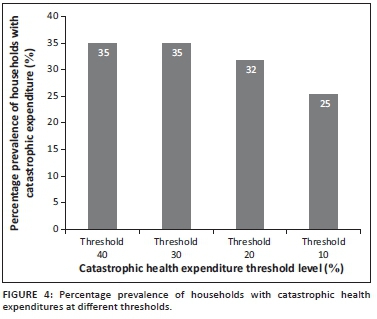
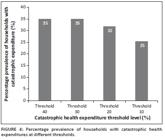
BACKGROUND: Malaria is a serious public health problem in sub-Saharan Africa and is a leading cause of morbidity and mortality AIM: To estimate the economic burden of malaria in rural households SETTING: The study was conducted in Gwanda district of Matabeleland South in Zimbabwe. A total of five malarious wards and all their households were selected for the study frame, out of which 80 households were chosen using clinic records METHODS: A retrospective analysis of secondary data and a cross-sectional household survey were conducted to estimate the household economic burden of malaria. Eighty households from five rural wards were identified from the health facility malaria registers and followed up. A household was eligible for inclusion if there had been at least one reported malaria case during the period of 2013−2015. Interviewer administered questionnaires were used to collect household data on economic costs of malaria RESULTS: Our findings showed that households spent an average of $3.22 and $56.60 for managing an uncomplicated and a complicated malaria episode respectively. A household lost an average of eight productive working days per each malaria episode resulting in an average loss of 24% of the monthly household income. An estimated 35%, mostly poorer households suffered catastrophic health expenditures CONCLUSION: Malaria imposes significant economic burdens particularly on the poorer and vulnerable households. Although there are no user fees at rural clinics, households incur other costs to manage a malaria patient. These costs are far worse for complicated cases
 Thumbnail
 Thumbnail
 Thumbnail
 Thumbnail