Gut microbiota of sub-Saharan Africa infants exposed to antiretroviral therapy: Scoping review
Abstract
BACKGROUND: Antiretroviral (ARV) exposure influences the early-life gut microbiota in regions with high human immunodeficiency virus (HIV) burdens. Understanding how ARV drugs affect the infant gut microbiota is important for optimising short-term and long-term health outcomes. AIM: This scoping review synthesises current evidence on the gut microbiota of infants born to mothers with HIV (MWH) in sub-Saharan Africa, focusing on the effects of in utero and postnatal ARV exposure. By examining emerging data in this context, we highlight potential implications for infant health and identify key areas for future research. METHOD: Online databases were systematically searched using comprehensive search strategies. In addition, grey literature was explored. Three authors independently screened titles and abstracts for relevance, evaluated full-text articles for eligibility and performed data extraction. RESULTS: The scoping review highlights differences in gut microbiota because of HIV exposure and ARV drugs in infants born to sub-Saharan African MWH. Of interest is a disturbance in the gut bacterial balance in infants with HIV, who harboured enriched with more diverse and potentially harmful bacteria relative to HIV-exposed uninfected infants. There was agreement from some countries, that is Nigeria and Zimbabwe, that their gut microbiota genomes comprise Bifidobacterium longum subspecies infantis and Enterococcus. CONCLUSION: Both antiretroviral therapy and HIV influence the gut microbiota in infants born to MWH. Pathogenic overgrowth within the infant gut microbiota for individuals with HIV may impair immune maturation during early-life, with lasting consequences for host health. CONTRIBUTION: This highlights the need for further research into probiotic interventions for infants in high HIV-burden settings.
antiretroviral drugs; gut microbiota; human immunodeficiency virus; infants; sub-Saharan Africa
Introduction
In the sub-Saharan African region, the gut microbiota of more than 1.5 million infants is exposed to antiretroviral (ARV) drugs because of the high prevalence of human immunodeficiency virus (HIV).1,2 The use of ARV drugs has been a game-changer in preventing mother-to-child transmission of HIV infection (PMTCT) since the early 2000s.1,2 This strategy has significantly reduced the risk of HIV transmission from mother-to-child during pregnancy, childbirth and breastfeeding.333331,2,3 Since the introduction of PMTCT worldwide, HIV transmission rates from mothers to their children have declined from more than 25% to less than 2%.3
Recommendations by the World Health Organization for infant prophylaxis
According to current World Health Organization (WHO) guidelines, postnatal prophylaxis for infants born to mothers with HIV (MWH) typically involves administering either NVP or ZDV for 4 to 6 weeks.4456
Potential effect of different antiretroviral drugs on the human gut microbiota
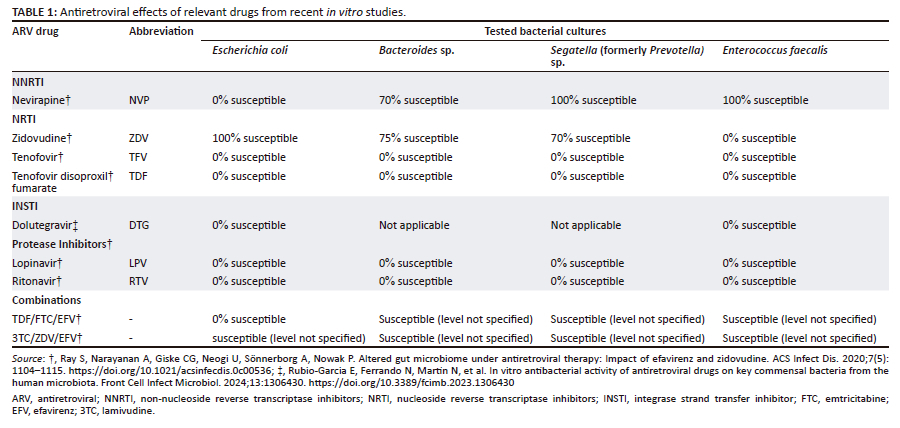
The potential effect of different ARV drugs on the gut microbiota of HIV-exposed infected (HEI) and HIV-exposed uninfected (HEU) individuals has been described from in vitro experiments (Table 1),7,8 but largely overlooked in human microbiome studies. It is plausible that either HIV exposure, HIV infection or ARV drugs impact the early microbiota of infants born to MWH at an early age.1,9,10 Furthermore, in utero-HEU individuals have a higher incidence of hospitalisation and 2 to 4-fold higher mortality rate than HIV-unexposed uninfected (HUU) infants in low- and middle-income countries (LMICs).11,12,13 However, there are inconsistencies in the few published reports on infant gut microbiota from SSA. Therefore, this review will synthesise current key findings from SSA on the gut microbiota of HIV-exposed (HE) infants (born to MWH) on prolonged and short-term ART.
Recommendations by the World Health Organization for preventing human immunodeficiency virus mother-to-child transmission
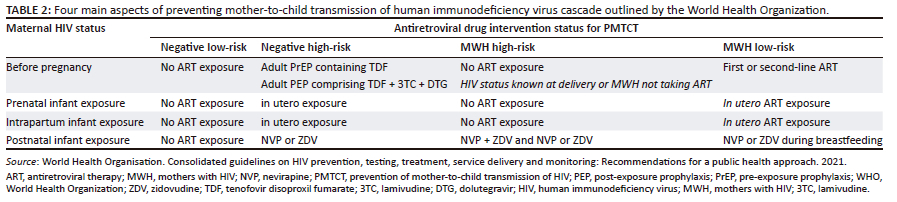
The WHO outlines four key stages of the PMTCT of HIV cascade. These include pre-pregnancy, prenatal, intrapartum and postnatal interventions (Table 2).14145,14 High-risk infants are defined as those born to mothers with documented HIV infection who received less than 4 weeks of ART at delivery, viral load > 1000 copies/mL in the 4 weeks before delivery (if viral load is available),131414,15 Since the introduction of the 'treat all' approach, ART is initiated urgently among all pregnant and breastfeeding MWH, even if they are identified late in pregnancy or postpartum.14,15 For mothers who initiate ART around the time of labour and delivery (intrapartum), earlier WHO guidelines suggested administering a single dose of NVP along with tenofovir disoproxil fumarate (TDF)/emtricitabine (FTC), in conjunction with 3-hourly administration of ZDV during labour.14,16
The gut microbiota of infants exposed to antiretroviral drugs from sub-Saharan Africa
Some studies suggest that prolonged ART may help restore the gut microbiota of children with HIV (CWH) to a composition more similar to that of HUU children.171717179,18 The impact of ARV drugs on the gut microbiota of infants in SSA is a significant area of interest, given the high prevalence of HIV in the region.27,8 In previous in vitro studies, ARV drugs such as NVP, TFV and ZDV exhibited antibacterial effects.7,8 The disruption is thought to occur through mechanisms such as deoxyribonucleic acid (DNA) chain termination, inhibition of bacterial polymerases and induction of the 'SOS' DNA damage response.7,8 The study's findings highlight that certain ARV drugs can impact the composition of the human microbiota.
The current first-line treatment regimen for pregnant women with human immunodeficiency virus
The current first-line treatment regimen recommended for pregnant women with HIV is a fixed-dose combination of TDF, 3TC and dolutegravir (DTG)14,19 (Table 2). In several LMICs and SSA countries, current guidelines stipulate that all pregnant women previously exposed to ART, such as through PMTCT programmes or previous interruptions in ART, should take DTG-based ARV drug regimens.14,19 All newly-born infants born to MWH receive ART, postpartum if they are diagnosed with HIV, while those who are not infected but are exposed to HIV in utero, for example, the HEU infants, receive prophylaxis of either ZDV or NVP.14,15
The gut microbiota of human immunodeficiency virus-unexposed, uninfected infants at birth
In HUU infants, gut microbiota colonisation begins at birth or potentially even in utero, and continues to develop and mature over the first 3 years of life.2020212121,22 The intestinal microbiota of neonates is characterised by low diversity and a relative dominance of the phyla23,24 Actinomycetota (formerly Actinobacteria) and Pseudomonadota (formerly Proteobacteria).23,24 The most abundant classes in infant stool are Bifidobacterium, Lactobacillus and Clostridia in that order.25,26 In healthy breastfed infants, the gut microbiota during the first 1000 days of life is typically dominated by 'infant-type' bifidobacteria, including: Bifidobacterium breve, B. bifidum, B. longum subsp. infantis, B. longum subsp. longum and B. pseudocatenulatum.21
Infant gut microbiota perturbations in human immunodeficiency virus-exposed infants
During the first 2 years of life, children are vulnerable to HIV exposure through perinatal transmission (in utero and during delivery) and postnatal transmission (through breastfeeding).2323,24 Research suggests that exposure to HIV in utero can affect the gut microbiota of HEU infants, indicating a possible connection between the mother's HIV status and the infant's gut microbiota.1Bifidobacterium species were significantly less abundant in the gut microbiota of HEU infants during the first 6 months of life.1Bifidobacterium in infants.127,28 Children with HIV tend to have a gut microbiome with lower bacterial richness, reduced diversity and altered bacterial composition compared to children without HIV.292020Segatella (formerly Prevotella), a bacterial taxon linked to increased microbial translocation (sCD14) and immune inflammation (IP-10).20
Methods
Review strategy
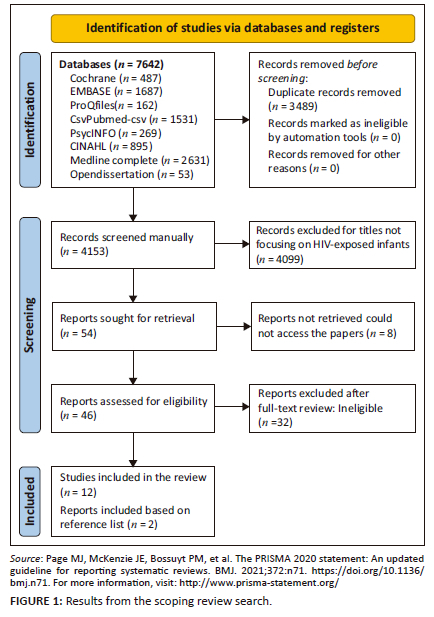
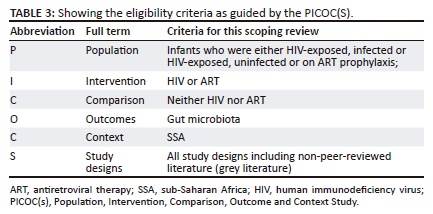
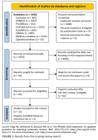
Preferred Reporting Items for Systematic Reviews and Meta-Analyses (PRISMA)-2020 updated guidelines for reporting scoping reviews were used to guide the search, select relevant studies and report study findings (Figure 1).30Table 3 was used to develop a research question regarding the association between ART exposure and HIV exposure with the gut microbiota of infants from SSA.
Data sources and search strategy
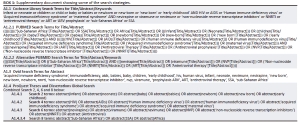
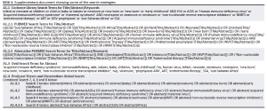
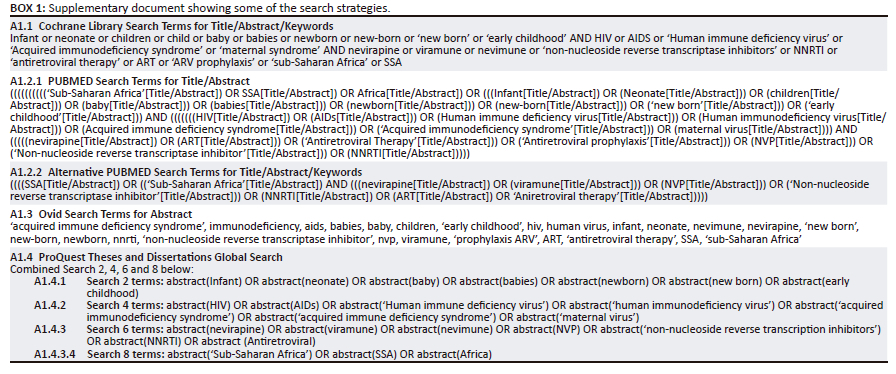
The following databases, CINHAL (Cumulative Index to Nursing and Allied Health Literature), Cochrane Library, PubMed CSV, Embase, MEDLINE, Open Dissertation, PsycINFO, ProQuest and PubMed were systematically searched for relevant articles without any restrictions (Figure 1). The databases were searched from inception until May 2024 using variations and combinations of the following keywords: Africa, ART, HIV, infants, microbio*, NVP, SSA and ZDV. The search strategy is in Appendix 1. Open Dissertations, ProQuest Dissertations and Theses Global were searched to identify grey literature. Lastly, a manual search of the reference lists and citations of relevant publications and reviews was conducted to identify additional studies.
Appendix 1
Eligibility criteria and ethics
Inclusion criteria
Studies that meet the PICOC(S) framework (Table 3) were included.
Exclusion criteria
Studies were excluded if the:
-
The study population were HE at an older age than 36 months.
-
Full-text and abstract were both unavailable or only the abstract was available, but did not convey the needed data.
-
The studies were narrative, scoping or systematic reviews.
Study selection and data extraction
The Rayyan Systematic Review Management Software combined and de-duplicated articles retrieved from the searches. Two authors T.E.M. and D.T.Z. independently screened the titles and abstracts to identify articles that meet the inclusion criteria (see search strategy in Appendix 1). T.E.M. obtained full-texts of the articles that passed the first screening. D.T.Z. assessed full-text papers that were identified as potentially relevant for inclusion or exclusion. Discrepancies were resolved through discussion with a third author R.M.-M. and by consensus. Studies that met the inclusion criteria were retained for data extraction. Quality assessment was not conducted in this scoping review.
Data extraction
… and … independently extracted data from each article retained in the full-text screening using a pretested data extraction form developed by the reviewers. Any uncertainties regarding the inclusion of studies were resolved through discussion with a third author (R.M.-M.) and by consensus. The following data were extracted from each article included: (1) bibliographic information, (2) study design, year of study and location, (3) study aims or objectives, (4) study population, (5) sample size, (6) intervention, (7) comparison group, (8) outcome (diversity of gut microbiota).
Ethical considerations
This was previously published data and did not require ethical clearance. This article followed all ethical standards for research without direct contact with human or animal subjects.
Review findings
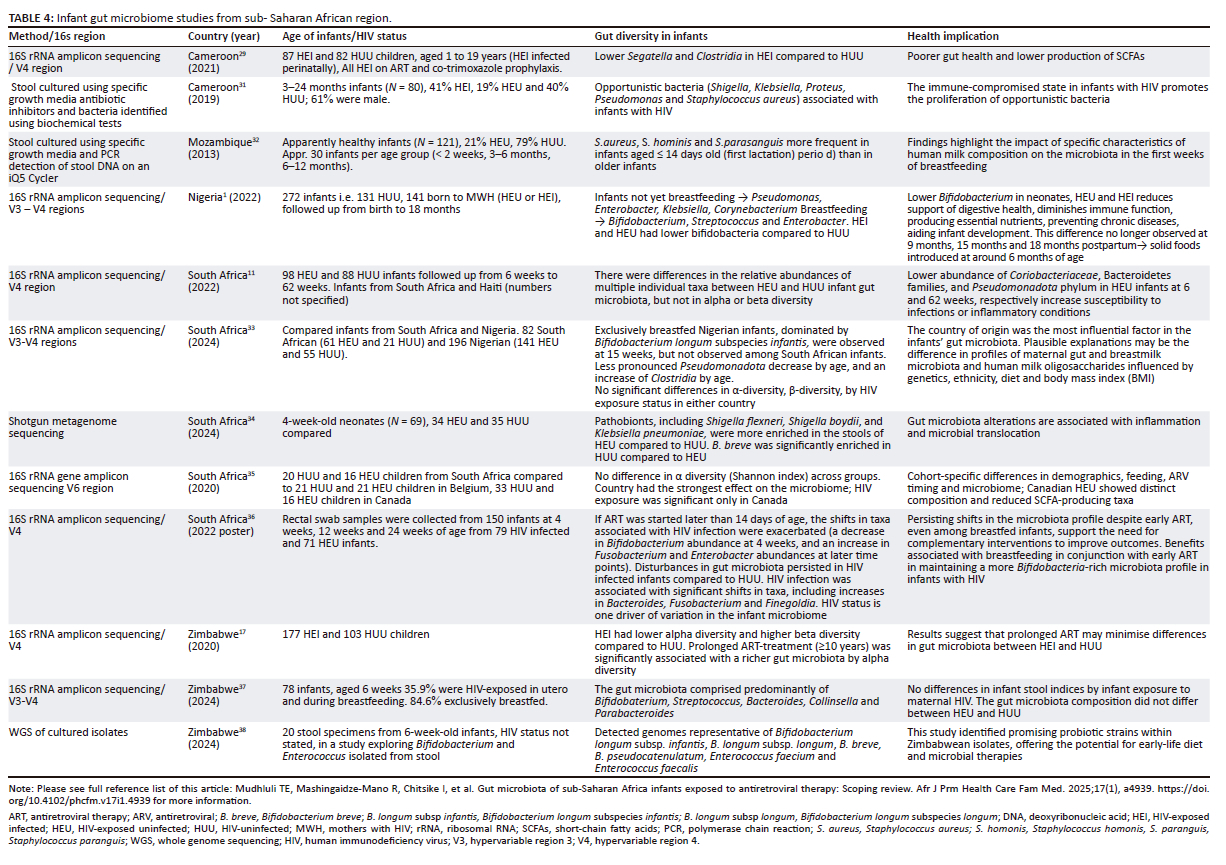
This scoping review shares findings from multiple contexts across the sub-Saharan African region (Table 4).
Antiretroviral drugs used in sub-Saharan Africa
Recommendations of ARV drugs in many SSA countries align with WHO guidelines.2939313240
Original research focusing on the gut microbiota of sub-Saharan African infants exposed to antepartum, intrapartum and postpartum antiretroviral drugs
Cameroon findings
In Cameroon, in addition to NVP and azidothymidine (AZT) also known as ZDV, 3TC, abacavir (ABC) and lopinavir and ritonavir (LPV and r) are given to infants infected with HIV.2929Segatella and Clostridia.2929Segatella may indicate reduced fibre fermentation capacity, which can result in poorer gut health and lower production of short-chain fatty acids (SCFAs). The SCFAs - acetate, propionate and butyrate - are key mediators of gut microbiome benefits.414139Clostridia may suggest an imbalance in the microbiome, potentially increasing susceptibility to infections or inflammatory conditions.29
In another Cameroon study conducted among 80 infants (41%) were HEI, 15 (18.8%) were HEU and 32 (40%) were HUU.31Clostridium, Enterococcus, Klebsiella, Shigella, Staphylococcus aureus (S. aureus) and Streptococcus.31Lactobacillus, Streptococcus and Bifidobacterium. In HUU infants, E. coli, Lactobacillus and Bifidobacterium were most common. Some bacteria were notably absent in each group, for example, Actinomycetes, and Enterobacter were missing in HEI infants, as were Acinetobacter, Proteus and S. aureus in HUU infants.31
Mozambican findings
One study from Mozambique reported on the faecal microbiota of apparently healthy African infants from a community with a high HIV prevalence.3232Streptococci, Enterococci and Bifidobacteria were detected in all samples analysed, while Staphylococcus was the bacterial group least detected. The study found commonly detected bacteria such as Streptococcus, Enterococcus and Bifidobacterium, and the least detected Staphylococcus. Bacterial counts changed with infant age. Bifidobacterium, Bacteroides, Enterococcus, Clostridium leptum and Clostridium coccoides counts increased with infant's age32 whereas Staphylococcus aureus and Streptococcus epidermidis counts were significantly reduced in older infants.32
Nigerian findings
A 2022 study in Nigeria showed marked differences in nutritional and microbiota diversity between HEU and HUU infants.11Bifidobacterium in HEU infants,1 which was found to be lower than that in HUU infants.11Bifidobacterium provides numerous health benefits, including supporting digestive health, enhancing immune function, producing essential nutrients, preventing chronic diseases, aiding infant development and influencing mental health.40,42,43,44,45
Another study compared the gut microbiota of HEU and HUU infants born to 278 mothers with or without HIV, from Nigeria and South Africa.3333Bifidobacterium longum subspecies infantis and the Firmicutes, including both Staphylococcus species33S. haemolyticus, S. saprophyticus) and Enterococcus species (e.g. E. faecalis, E. faecium).33 In South African infants, certain bacterial taxa were linked to HIV exposure. Notably, several Enterococcus species were more abundant in HEU infants compared to HUU infants at week 1.45Bifidobacterium species45B. longum, B. catenulatum, B. breve), Firmicutes (Streptococcus species: S. salivarius, S. caprae, S. lutetiensis) and Pseudomonadota (mainly Escherichia coli).334533
South African findings
One other South Africa-based study focused on the oral microbiome of school-aged CWH on ART.1134
Another South African study analysing meconium and tracking infant faecal bacteria over time (birth to 20-28 weeks) found that in HIV-unexposed infants, Pseudomonadota (formerly Proteobacteria) decreased with age, and Clostridia increased with age.1111Pseudomonadota during infancy may correlate with slower growth trajectories and could predispose infants to metabolic disorders, such as obesity and insulin resistance later.46Clostridia are known to be involved in the fermentation of dietary fibres and the production of SCFAs, such as butyrate.4747Clostridia may lead to higher SCFA levels, contributing to improved gut health and potentially reducing the risk of gastro-intestinal diseases.48
A South African study found that at 6 weeks, HEU infants had a higher abundance of Firmicutes, Carnobacteriaceae and Enterococcaceae compared to HUU infants.11Coriobacteriaceae, and Bacteroidetes families, and a reduced abundance of the Pseudomonadota phylum,11Firmicutes are often associated with beneficial metabolic functions, including energy harvest from dietary fibres.39,49,50 The lower abundance of Coriobacteriaceae and Bacteroidetes in HEU infants could imply a potential disruption in the diversity and functionality of the gut microbiome.51,52 Bacteroidetes are generally linked to a healthy gut environment and play roles in breaking down complex carbohydrates.51,52
A 2016 South African study used shotgun metagenomic sequencing to analyse the gut microbiota of 4-week-old infants, comparing HUU neonates and HEU neonates before starting co-trimoxazole prophylaxis in the HEU group.34343434Shigella flexneri, Shigella boydii and Klebsiella pneumonia) and other taxa, that is, Blautia liquoris, Coprococcus eutactus and Roseburia hominis.34Bifidobacterium breve, Actinomyces fecalis, Eggertella lenta and Phascolarctobacterium spp.34
Random forest analysis identified key metabolic pathways that distinguished HEU infants, with elevated levels of glycogen degradation, L-arginine degradation, L-methionine and L-rhamnose biosynthesis.343434in utero HIV exposure on microbial diversity in infants at 4 weeks of age.343434
A 2020 study compared the innate response and the stool microbiome of 2-year-old HEU and HUU children from Belgium, Canada and South Africa.3535353535Rikenellaceae, more abundant in HEU and Succinivibrio, more abundant in HUU children.3535
A 2022 poster presentation reported findings from South Africa.363636Bacteroides, Fusobacterium and Finegoldia, after accounting for other influencing factors.3635Bifidobacterium-rich microbiota profile in infants with HIV.36
Zimbabwe findings
Human immunodeficiency virus-exposed infants in Zimbabwe are exposed to one or more of the following ARV drugs: DTG, NVP, FTC, 3TC, TDF and AZT. A study described the composition of gut microbiota of children and adolescents, aged 6 to 16 years,171717
Key findings showed that 89% of HEIs were on co-trimoxazole prophylaxis and that recent antibiotic use did not alter the impact of HIV status on species richness.1717Corynebacterium, Lawsonella, Collinsella (Actinomycetota phylum), Finegoldia, Anaerococcus, Erysipelotrichaceae, Lachnoclostridium (Firmicutes phylum).17Campylobacter,17Porphyromonas and Prevotella, phylum Bacteroidetes.17Fastidiosipila, Fournierella, Eubacterium coprostanoligenes_group, Ruminococcaceae, Coprococcus and Murdochiella (Firmicutes).1717
Another Zimbabwean study found no significant differences in gut microbiota diversity between HEU and HUU infants, as measured by alpha diversity indices (Shannon and Simpson) and stool microbial composition.37
A 2024 study reported on the infant gut microbiota members isolated from the stool of 6-week-old neonates from Zimbabwe.53Bifidobacterium and Enterococcus recovered from an infant cohort from Zimbabwe,5353Bifidobacterium and Enterococcus species53Bifidobacterium longum subsp. infantis, Bifidobacterium longum subsp. longum, Bifidobacterium breve, Bifidobacterium pseudocatenulatum, Enterococcus faecium and Enterococcus faecalis.53
Common Metagenomics techniques in sub-Saharan African studies
Several metagenomics techniques can be employed to investigate the gut microbiota of HE infants in Africa.1461111
Overall summary of findings
There is still controversy amid the scarcity of data in the context of HIV or ART from the sub-region: 12 articles studied the effects of HIV and different ARV prophylaxis drugs on the gut microbiome of less than 1800 infants of varying age groups, from SSA.12Bifidobacterium. The heterogeneity of age groups, feeding methods and maternal HIV status makes it difficult to make definitive conclusions. What we found clear is that more in-depth studies, using shotgun sequencing, whole genome sequencing in larger cohorts, followed by randomised clinical trials, are more appropriate in this context.
Limitations and strengths of the study
Though this multi-context study has limitations inherent in such studies, this scoping review facilitates understanding of how the impact of HIV and/or ART on infant microbiota differ across different Sub-Saharan African contexts.54
Implications and recommendations
Though findings are still controversial, the reviewed studies demonstrate that ART exposure can significantly alter the gut microbiota composition and diversity in HE infants and infants with HIV.35Proteobacteria, particularly Enterobacteriaceae abundance, may have implications for immune system development and long-term health outcomes.29,47,48,52,55 The microbial imbalance is likely shaped by multiple early-life exposures, including maternal HIV infection, ART, altered breastfeeding practices, increased antibiotic use and heightened perinatal immune activation. From a pathophysiological standpoint, reduced bacterial diversity limits the spectrum of microbial-associated molecular patterns available to prime and regulate the infant's developing immune system. This impairs the balanced maturation of gut-associated lymphoid tissue, skewing immune development toward a pro-inflammatory state and reducing the induction of immune tolerance via regulatory T cells (Tregs). Biochemically, the over-representation of Pseudomonadota (formerly Proteobacteria) contributes to a more inflammatory gut environment. Many Pseudomonadota, such as Escherichia coli and other Enterobacteriaceae, possess highly immunostimulatory lipopolysaccharide structures that potently activate Toll-like receptor 4 (TLR4) on intestinal epithelial cells4629,38,51 This results in upregulation of pro-inflammatory cytokines such as interleukin 6 (IL-6), tumor necrosis factor (TNF)-α and interleukin-1 beta (IL-1β),41Pseudomonadota expansion through anaerobic-to-aerobic metabolic shifts.47,48,52 According to some of the studies in this scoping review, the gut environment of HE infants is likely to experience a decrease in obligate anaerobes, such as Bifidobacterium and Faecalibacterium, which are critical for producing SCFAs such as butyrate and acetate. Short-chain fatty acids are key epigenetic and immunomodulatory metabolites that promote Treg differentiation, support intestinal barrier function and suppress excessive inflammatory signalling.29,47,48,52,55 Their depletion in infants on ART impairs these protective mechanisms and may predispose them to long-term health consequences, including increased susceptibility to infections, allergic disorders, growth faltering and potentially metabolic or autoimmune diseases later in life.29,47,48,52,55
Thus, the combination of microbial immaturity, low diversity and Pseudomonadota-dominant microbial disturbances in infants on ART represents a biologically significant disruption of early-life gut-immune cross-talk with potential lifelong health implications. These observations must be explored in well-defined and comprehensive cohort studies with comparative groups of similar age and feeding characteristics.29,47,48,52,55
Conclusion
There is a high burden of HIV in women of childbearing age, hence it is crucial to carry out studies focusing on the composition of both gut bacteria and non-bacterial components of the microbiota, such as fungi, viruses or bacteriophages. An interrogation of whether ARV drugs have a more pronounced impact on non-bacterial microbiota is worth exploring. Future studies are also required to screen antibiotics for their impact on the various gut bacteria in the Sub-Saharan African setting. Such research will inform the design of next-generation interventions, including prebiotics and probiotics tailored for infants from SSA.
A clinical trial in adults living with HIV, reported that the Bacteroidales : Clostridiales ratio was inversely correlated with HIV reservoir size and viral control post-analytical ART interruption,202038
Competing interests
The authors reported that T.E.M. received funding from National Institutes of Health (NIH) Fogarty International Centre Grant # D43TW010313, awarded to the University of Buffalo, SUNY, United States (US), and the University of Zimbabwe's HIV Research Training Program. L.J.H. is supported by Wellcome Trust Investigator Award 220876/Z/20/Z; and a Biotechnology and Biological Sciences Research Council (BBSRC) Institute Strategic Programme, Food Microbiome and Health BB/X011054/1 and its constituent project BBS/E/QU/230001B to L.J.H. D.T.Z. was funded by the Africa Research Excellence Fund, United Kingdom (UK) Grant, Number AREF-312-ZHOU-F-C0880, and the NIH's Fogarty International Center, US, awarded to the Biomedical Research and Training Institute, Zimbabwe (grant number 1D43TW011326). D.T.Z. was supported through the sub-Saharan African Network for TB/HIV Research Excellence (SANTHE), a DELTAS Africa Initiative [grant # DEL-15-006]. The DELTAS Africa Initiative is an independent funding scheme of the African Academy of Sciences (AAS)'s Alliance for Accelerating Excellence in Science in Africa (AESA) and supported by the New Partnership for Africa's Development Planning and Coordinating Agency (NEPAD Agency) with funding from the Wellcome Trust [grant # 107752/Z/15/Z] and the United Kingdom (UK) government.
The views expressed in this publication are those of the authors and not necessarily those of AAS, NEPAD Agency, Wellcome Trust or the UK government, which may be affected by the research reported in the enclosed publication. The author has disclosed those interests fully and has implemented an approved plan for managing any potential conflicts arising from their involvement. The terms of these funding arrangements have been reviewed and approved by the affiliated university in accordance with its policy on objectivity in research.
Authors' contributions
T.E.M. made substantial contributions to the:
-
conception or design of the work; the acquisition, analysis or interpretation of data for the work
-
drafting of the work and reviewing it critically for important intellectual content
-
giving final approval of the version to be published
-
making an agreement to be accountable for all aspects of the work in ensuring that questions related to the accuracy or integrity of any part of the work are appropriately investigated and resolved.
R.M.-M. made substantial contributions to the:
-
the acquisition, analysis and interpretation of data for the work
-
reviewing the draft critically for important intellectual content
-
giving final approval of the version to be published
-
making an agreement to be accountable for all aspects of the work in ensuring that questions related to the accuracy or integrity of any part of the work are appropriately investigated and resolved.
I.C. made substantial contributions to the:
-
interpretation of data for the work
-
reviewing the draft critically for important intellectual content
-
giving final approval of the version to be published
-
making an agreement to be accountable for all aspects of the work in ensuring that questions related to the accuracy or integrity of any part of the work are appropriately investigated and resolved.
J.M. made substantial contributions to the:
-
interpretation of data for the work
-
reviewing the draft critically for important intellectual content
-
giving final approval of the version to be published
-
making an agreement to be accountable for all aspects of the work in ensuring that questions related to the accuracy or integrity of any part of the work are appropriately investigated and resolved.
L.J.H. made substantial contributions to the:
-
conception or design of the work; interpretation of data for the work
-
reviewing the draft critically for important intellectual content
-
giving final approval of the version to be published
-
making an agreement to be accountable for all aspects of the work in ensuring that questions related to the accuracy or integrity of any part of the work are appropriately investigated and resolved.
E.G. made substantial contributions to the:
-
interpretation of data for the work
-
reviewing the work critically for important intellectual content
-
giving final approval of the version to be published
-
making an agreement to be accountable for all aspects of the work in ensuring that questions related to the accuracy or integrity of any part of the work are appropriately investigated and resolved.
D.T.Z. made substantial contributions to the:
-
conception or design of the work; the acquisition, analysis and interpretation of data for the work
-
drafting of the work and reviewing it critically for important intellectual content
-
giving final approval of the version to be published
-
making an agreement to be accountable for all aspects of the work in ensuring that questions related to the accuracy or integrity of any part of the work are appropriately investigated and resolved.
Funding information
T.E.M. was funded by NIH Fogarty International Center Grant # D43TW010313, awarded to the University of Buffalo, SUNY, US, and the University of Zimbabwe's HIV Research Training Program. L.J.H. is supported by Wellcome Trust Investigator Award 220876/Z/20/Z; and a BBSRC Institute Strategic Programme Food Microbiome and Health BB/X011054/1 and its constituent project BBS/E/QU/230001B to L.J.H. D.T.Z. was funded by the Africa Research Excellence Fund, UK Grant, Number AREF-312-ZHOU-F-C0880, and the NIH's Fogarty International Center, US, awarded to the Biomedical Research and Training Institute, Zimbabwe (grant number 1D43TW011326). D.T.Z. was supported through the sub-Saharan African Network for TB/HIV Research Excellence (SANTHE), a DELTAS Africa Initiative [grant # DEL-15-006]. The DELTAS Africa Initiative is an independent funding scheme of the African Academy of Sciences (AAS)'s Alliance for Accelerating Excellence in Science in Africa (AESA) and supported by the New Partnership for Africa's Development Planning and Coordinating Agency (NEPAD Agency) with funding from the Wellcome Trust [grant # 107752/Z/15/Z] and the UK government.
The views expressed in this publication are those of the authors and not necessarily those of AAS, NEPAD Agency, Wellcome Trust or the UK government. The authors report no other conflicts of interest in this work.
Data availability
Data supporting the findings of this study are available from the corresponding author, D.T.Z., upon request.
Disclaimer
The views and opinions expressed in this article are those of the authors and are the product of professional research. The article does not necessarily reflect the official policy or position of any affiliated institution, funder, agency or the publisher. The authors are responsible for this article's results, findings and content.
Acknowledgements
References
-
1. Grant-Beurmann S, Jumare J, Ndembi N, et al. Dynamics of the infant gut microbiota in the first 18 months of life: The impact of maternal HIV infection and breastfeeding. Microbiome. 2022;10(1):61. https://doi.org/10.1186/s40168-022-01230-1
» https://doi.org/10.1186/s40168-022-01230-1 -
2. Rosenberg NE, Shook-Sa BE, Liu M, et al. Adult HIV-1 incidence across 15 high-burden countries in sub-Saharan Africa from 2015 to 2019: A pooled analysis of nationally representative data. Lancet HIV. 2023;10(3):e175-e185. https://doi.org/10.1016/S2352-3018(22)00328-9
» https://doi.org/10.1016/S2352-3018(22)00328-9 -
3. Ciaranello AL, Seage GR, 3rd, Freedberg KA, Weinstein MC, Lockman S, Walensky RP. Antiretroviral drugs for preventing mother-to-child transmission of HIV in sub-Saharan Africa: Balancing efficacy and infant toxicity. AIDS. 2008;22(17):2359-2369. https://doi.org/10.1097/QAD.0b013e3283189bd7
» https://doi.org/10.1097/QAD.0b013e3283189bd7 -
4. Takah NF, Atem JA, Aminde LN, Malisheni M, Murewenhema G. Male partner involvement in increasing the uptake of infant antiretroviral prophylaxis/treatment in sub Saharan Africa: A systematic review and meta-analysis. BMC Public Health. 2018;18(1):249. https://doi.org/10.1186/s12889-018-5171-9
» https://doi.org/10.1186/s12889-018-5171-9 -
5. Namara-Lugolobi E, Namukwaya Z, Owor M, et al. Twenty years of prevention of mother to child HIV transmission: Research to implementation at a national referral hospital in Uganda. Afr Health Sci. 2022;22(Spec Issue):22-33. https://doi.org/10.4314/ahs.v22i2.5S
» https://doi.org/10.4314/ahs.v22i2.5S -
6. World Health Organization. HIV and AIDS fact sheet [homepage on the Internet]. 2024 [cited 2024 Nov 14]. Available from: https://www.who.int/news-room/fact-sheets/detail/hiv-aids
» https://www.who.int/news-room/fact-sheets/detail/hiv-aids -
7. Ray S, Narayanan A, Giske CG, Neogi U, Sönnerborg A, Nowak P. Altered gut microbiome under antiretroviral therapy: Impact of efavirenz and zidovudine. ACS Infect Dis. 2020;7(5):1104-1115. https://doi.org/10.1021/acsinfecdis.0c00536
» https://doi.org/10.1021/acsinfecdis.0c00536 -
8. Rubio-Garcia E, Ferrando N, Martin N, et al. In vitro antibacterial activity of antiretroviral drugs on key commensal bacteria from the human microbiota. Front Cell Infect Microbiol. 2024;13:1306430. https://doi.org/10.3389/fcimb.2023.1306430
» https://doi.org/10.3389/fcimb.2023.1306430 -
9. Imahashi M, Ode H, Kobayashi A, et al. Impact of long-term antiretroviral therapy on gut and oral microbiotas in HIV-1-infected patients. Sci Rep. 2021;11(1):1-10. https://doi.org/10.1038/s41598-020-80247-8
» https://doi.org/10.1038/s41598-020-80247-8 -
10. Shilaih M, Angst DC, Marzel A, Bonhoeffer S, Günthard HF, Kouyos RD. Antibacterial effects of antiretrovirals, potential implications for microbiome studies in HIV. Antivir Ther. 2018;23(1):91-94. https://doi.org/10.3851/IMP3173
» https://doi.org/10.3851/IMP3173 -
11. Jackson CL, Frank DN, Robertson CE, et al. Evolution of the gut microbiome in HIV-exposed uninfected and unexposed infants during the first year of life. mBio. 2022;13(5):e0122922. https://doi.org/10.1128/mbio.01229-22
» https://doi.org/10.1128/mbio.01229-22 -
12. Anderson K, Kalk E, Madlala HP, et al. Increased infectious-cause hospitalization among infants who are HIV-exposed uninfected compared with HIV-unexposed. AIDS. 2021;35(14):2327-2339. https://doi.org/10.1097/QAD.0000000000003039
» https://doi.org/10.1097/QAD.0000000000003039 -
13. Slogrove A, Reikie B, Naidoo S, et al. HIV-exposed uninfected infants are at increased risk for severe infections in the first year of life. J Trop Pediatr. 2012;58(6):505-508. https://doi.org/10.1093/tropej/fms019
» https://doi.org/10.1093/tropej/fms019 - 14. World Health Organization. Consolidated guidelines on HIV prevention, testing, treatment, service delivery and monitoring: Recommendations for a public health approach. WHO Team-Global HIV, Hepatitis and STIs Programmes (HHS), Guidelines Review Committee, SEARO Regional Office for the South East Asia (RGO); 2021.
-
15. Njom NAE. Mother-to-child transmission of HIV through breastfeeding improving awareness and education: A short narrative review. Int J Womens Health. 2022;14:697-703. https://doi.org/10.2147/IJWH.S330715
» https://doi.org/10.2147/IJWH.S330715 -
16. Wessels J, Sherman G, Bamford L, et al. The updated South African national guideline for the prevention of mother to child transmission of communicable infections. South Afr J HIV Med. 2020;21(1): 1079. https://doi.org/10.4102/sajhivmed.v21i1.1079
» https://doi.org/10.4102/sajhivmed.v21i1.1079 -
17. Flygel TT, Sovershaeva E, Claassen-Weitz S, et al. Composition of gut microbiota of children and adolescents with perinatal human immunodeficiency virus infection taking antiretroviral therapy in Zimbabwe. J Infect Dis. 2020;221(3):483-492. https://doi.org/10.1093/infdis/jiz473
» https://doi.org/10.1093/infdis/jiz473 -
18. Nowak P, Troseid M, Avershina E, et al. Gut microbiota diversity predicts immune status in HIV-1 infection. AIDS. 2015;29(18):2409-2418. https://doi.org/10.1097/QAD.0000000000000869
» https://doi.org/10.1097/QAD.0000000000000869 - 19. World Health Organization. Update of recommendations on first- and second-line antiretroviral regimens. Geneva: WHO Team HIV/AIDS (HIV); 2019.
-
20. Soo N, Farinre O, Chahroudi A, Boliar S, Goswami R. A gut check: Understanding the interplay of the gastrointestinal microbiome and the developing immune system towards the goal of pediatric HIV remission. Retrovirology. 2024;21(1):15. https://doi.org/10.1186/s12977-024-00648-9
» https://doi.org/10.1186/s12977-024-00648-9 -
21. Lin C, Lin Y, Zhang H, et al. Intestinal 'infant-type' bifidobacteria mediate immune system development in the first 1000 days of life. Nutrients. 2022;14(7): 1498. https://doi.org/10.3390/nu14071498
» https://doi.org/10.3390/nu14071498 -
22. Maciel-Fiuza MF, Muller GC, Campos DMS, et al. Role of gut microbiota in infectious and inflammatory diseases. Front Microbiol. 2023;14:1098386. https://doi.org/10.3389/fmicb.2023.1098386
» https://doi.org/10.3389/fmicb.2023.1098386 -
23. RodrÍguez JM, Murphy K, Catherine Stanton C, et al. The composition of the gut microbiota throughout life, with an emphasis on early life. Microb Ecol Health Dis. 2015;26:26050. https://doi.org/10.3402/mehd.v26.26050
» https://doi.org/10.3402/mehd.v26.26050 -
24. Nguyen QT, Ishizaki A, Bi X, et al. Alterations in children's sub-dominant gut microbiota by HIV infection and anti-retroviral therapy. PLoS One. 2021;16(10):e0258226. https://doi.org/10.1371/journal.pone.0258226
» https://doi.org/10.1371/journal.pone.0258226 -
25. Turroni F, Peano C, Pass DA, et al. Diversity of bifidobacteria within the infant gut microbiota. PLoS One. 2012;7(5):e36957. https://doi.org/10.1371/journal.pone.0036957
» https://doi.org/10.1371/journal.pone.0036957 -
26. Chakravorty S, Helb D, Burday M, Connell N, Alland D. A detailed analysis of 16S ribosomal RNA gene segments for the diagnosis of pathogenic bacteria. J Microbiol Methods. 2007;69(2):330-339. https://doi.org/10.1016/j.mimet.2007.02.005
» https://doi.org/10.1016/j.mimet.2007.02.005 -
27. Russo E, Nannini G, Sterrantino G, et al. Effects of viremia and CD4 recovery on gut 'microbiome-immunity' axis in treatment-naïve HIV-1-infected patients undergoing antiretroviral therapy. World J Gastroenterol. 2022;28(6):635-652. https://doi.org/10.3748/wjg.v28.i6.635
» https://doi.org/10.3748/wjg.v28.i6.635 -
28. Ancona G, Merlini E, Tincati C, et al. Long-term suppressive cART is not sufficient to restore intestinal permeability and gut microbiota compositional changes. Front Immunol. 2021;12:639291. https://doi.org/10.3389/fimmu.2021.639291
» https://doi.org/10.3389/fimmu.2021.639291 -
29. Abange WB, Martin C, Nanfack AJ, et al. Alteration of the gut fecal microbiome in children living with HIV on antiretroviral therapy in Yaounde, Cameroon. Sci Rep. 2021;11(1): 7666. https://doi.org/10.1038/s41598-021-87368-8
» https://doi.org/10.1038/s41598-021-87368-8 -
30. Page MJ, McKenzie JE, Bossuyt PM, et al. The PRISMA 2020 statement: An updated guideline for reporting systematic reviews. BMJ. 2021;372:n71. https://doi.org/10.1136/bmj.n71
» https://doi.org/10.1136/bmj.n71 -
31. Blaak EE, Canfora EE, Theis S, et al. Short chain fatty acids in human gut and metabolic health. Benef Microbes. 2020;11(5):411-455. https://doi.org/10.3920/BM2020.0057
» https://doi.org/10.3920/BM2020.0057 -
32. Nkenfou CN, Abange WB, Gonsu HK, et al. Evaluation of the effect of HIV virus on the digestive flora of infected versus non infected infants. Pan Afr Med J. 2019;34:24. https://doi.org/10.11604/pamj.2019.34.24.15039
» https://doi.org/10.11604/pamj.2019.34.24.15039 -
33. Iwase SC, Osawe S, Happel A, et al. Longitudinal gut microbiota composition of South African and Nigerian infants in relation to tetanus vaccine responses. Microbiol Spectr. 2024;12:e0319023. https://doi.org/10.1128/spectrum.03190-23
» https://doi.org/10.1128/spectrum.03190-23 -
34. Byrne A, Diener C, Brown BP et al. Neonates exposed to HIV but uninfected exhibit an altered gut microbiota and inflammation associated with impaired breast milk antibody function. Microbiome. 2024;12(1):261. https://doi.org/10.1186/s40168-024-01973-z
» https://doi.org/10.1186/s40168-024-01973-z -
35. Amenyogbe N, Dimitriu P, Cho P, et al. Innate immune responses and gut microbiomes distinguish HIV-exposed from HIV-unexposed children in a population-specific manner. J Immunol. 2020;205(10):2618-2628. https://doi.org/10.4049/jimmunol.2000040
» https://doi.org/10.4049/jimmunol.2000040 -
36. Kuhn L, Li F, Strehlau R, et al. Early antiretroviral therapy in neonates and maturation of the gut microbiome [homepage on the Internet]. 2022 [cited 2025 Jan 12]. Available from: https://www.croiconference.org/wp-content/uploads/sites/2/posters/2022/CROI2022_Poster_715.pdf
» https://www.croiconference.org/wp-content/uploads/sites/2/posters/2022/CROI2022_Poster_715.pdf - 37. Munjoma PT, Mazhandu AJ, Wyss JSB, et al. Characterization of the gut microbiota and systemic inflammation in HIV-exposed uninfected infants from a resource-limited setting at 6 weeks of age. Microb Health Dis. 2024;6:e1156.
-
38. Mudhluli TE, Kujawska M, Mueller J, et al., Exploring the genomic traits of infant-associated microbiota members from a Zimbabwean cohort. BMC Genomics. 2024;25(1):718. https://doi.org/10.1186/s12864-024-10618-2
» https://doi.org/10.1186/s12864-024-10618-2 -
39. Fusco W, Lorenzo MB, Cintoni M, et al. Short-chain fatty-acid-producing bacteria: Key components of the human gut microbiota. Nutrients. 2023;15(9): 2211. https://doi.org/10.3390/nu15092211
» https://doi.org/10.3390/nu15092211 -
40. González R, Maldonado A, Martín V, et al. Breast milk and gut microbiota in African mothers and infants from an area of high HIV prevalence. PLoS One. 2013;8(11):e80299. https://doi.org/10.1371/journal.pone.0080299
» https://doi.org/10.1371/journal.pone.0080299 -
41. Pinto-Cardoso S, Klatt NR, Reyes-Terán G. Impact of antiretroviral drugs on the microbiome: Unknown answers to important questions. Curr Opin HIV AIDS. 2018;13(1):53-60. https://doi.org/10.1097/COH.0000000000000428
» https://doi.org/10.1097/COH.0000000000000428 -
42. Kujawska M, Neuhaus K, Huptas C, et al. Exploring the potential probiotic properties of Bifidobacterium breve DSM 32583 - A novel strain isolated from human milk. Probiotics & Antimicro. Prot. 2024;2024:1-15. https://doi.org/10.1007/s12602-024-10346-9
» https://doi.org/10.1007/s12602-024-10346-9 -
43. Dalby MJ, Kiu R, Serghiou IR, et al. Faecal microbiota and cytokine profiles of rural Cambodian infants linked to diet and diarrhoeal episodes. NPJ Biofilms Microbiomes. 2024;10(1):85. https://doi.org/10.1038/s41522-024-00562-0
» https://doi.org/10.1038/s41522-024-00562-0 -
44. O'Callaghan A, Van Sinderen D. Bifidobacteria and their role as members of the human gut microbiota. Front Microbiol. 2016;7:925. https://doi.org/10.3389/fmicb.2016.00925
» https://doi.org/10.3389/fmicb.2016.00925 -
45. Chen J, Chen X, Ho CL. Recent development of probiotic bifidobacteria for treating human diseases. Front Bioeng Biotechnol. 2021;9:770248. https://doi.org/10.3389/fbioe.2021.770248
» https://doi.org/10.3389/fbioe.2021.770248 -
46. Korpela K, Zijlmans MA, Kuitunen M, et al. Childhood BMI in relation to microbiota in infancy and lifetime antibiotic use. Microbiome. 2017;5(1):26. https://doi.org/10.1186/s40168-017-0245-y
» https://doi.org/10.1186/s40168-017-0245-y -
47. Rendina DN, Lubach GR, Lyte M, et al. Proteobacteria abundance during nursing predicts physical growth and brain volume at one year of age in young rhesus monkeys. FASEB J. 2021;35(6):e21682. https://doi.org/10.1096/fj.202002162R
» https://doi.org/10.1096/fj.202002162R -
48. Den Besten G, Van Eunen K, Groen AK, Venema K, Reijngoud D-J, Bakker BM. The role of short-chain fatty acids in the interplay between diet, gut microbiota, and host energy metabolism. J Lipid Res. 2013;54(9):2325-2340. https://doi.org/10.1194/jlr.R036012
» https://doi.org/10.1194/jlr.R036012 -
49. Sun Y, Zhang S, Nie Q, et al. Gut firmicutes: Relationship with dietary fiber and role in host homeostasis. Crit Rev Food Sci Nutr. 2023;63(33):12073-12088. https://doi.org/10.1080/10408398.2022.2098249
» https://doi.org/10.1080/10408398.2022.2098249 -
50. Magne F, Gotteland M, Gauthier L, et al. The firmicutes/bacteroidetes ratio: A relevant marker of gut dysbiosis in obese patients? Nutrients. 2020;12(5): 1474. https://doi.org/10.3390/nu12051474
» https://doi.org/10.3390/nu12051474 -
51. Flint HJ, Scott KP, Duncan SH, Louis P, Forano E. Microbial degradation of complex carbohydrates in the gut. Gut Microbes. 2012;3(4):289-306. https://doi.org/10.4161/gmic.19897
» https://doi.org/10.4161/gmic.19897 -
52. Bender JM, Li F, Martelly S, et al. Maternal HIV infection influences the microbiome of HIV-uninfected infants. Sci Transl Med. 2016;8(349):349ra100. https://doi.org/10.1126/scitranslmed.aaf5103
» https://doi.org/10.1126/scitranslmed.aaf5103 -
53. Liu Y, Wang J, Wu C. Modulation of gut microbiota and immune system by probiotics, pre-biotics, and post-biotics. Front Nutr. 2022;8:634897. https://doi.org/10.3389/fnut.2021.634897
» https://doi.org/10.3389/fnut.2021.634897 -
54. Duranti S, Longhi G, Ventura M, Van Sinderen D. Exploring the ecology of bifidobacteria and their genetic adaptation to the mammalian gut. Microorganisms. 2020;9(1):8. https://doi.org/10.3390/microorganisms9010008
» https://doi.org/10.3390/microorganisms9010008 -
55. Arrieta M-C, Stiemsma LT, Amenyogbe N, Brown EM, Finlay B. The intestinal microbiome in early life: Health and disease. Front Immunol. 2014;5:427. https://doi.org/10.3389/fimmu.2014.00427
» https://doi.org/10.3389/fimmu.2014.00427

Accepted: 08 Aug. 2025
Published: 29 Sept. 2025