Experiences of adolescent girls and young women of oral PrEP uptake in rural KwaZulu-Natal
Abstract
BACKGROUND: The human immunodeficiency virus remains a global public health concern mainly affecting adolescent girls and women. Pre-exposure prophylaxis (PrEP) uptake among this group remains low in the Richmond rural community despite known benefits AIM: This article explores the experiences of adolescent girls and young women aged 18-24 of oral PrEP uptake in Richmond Local Municipality, KwaZulu-Natal, South Africa SETTING: The study was carried out in the peri-urban area with two traditional councils located in the uMgungundlovu district of KwaZulu-Natal, South Africa METHODS: Using qualitative methodology, 12 in-depth interviews were conducted among participants who had used PrEP between 1 month and 12 months. These interviews were thematically analysed using Colaizzi's method RESULTS: Thematic analysis identified four themes capturing the experiences of adolescent girls and young women regarding PrEP uptake: (1) perceived factors influencing usage decisions, (2) barriers to uptake, (3) facilitators of continued use, (4) community education and awareness about PrEP. Barriers like stigma, healthcare access challenges and fear of side effects further hindered initiation, adherence and retention. Facilitators for continuation included family, community support and convenient access to re-supply. The study highlights the importance of school-based parental meetings and discussions to normalise PrEP use among participants in the peri-urban area CONCLUSION: The identified practical approaches enable convenient resupply and could increase the uptake. Peer support is critical in improving side effect management CONTRIBUTION: The study highlights the need to improve social support by using the school's parental meetings to educate the community about the benefits of pre-exposure prophylaxis to improve adherence and retention
PrEP experiences; adolescent health; HIV risk reduction; Richmond Municipality; pre-exposure prophylaxis; adolescent girls; young women
Background
Globally, progress has been made in curbing the spread of human immunodeficiency virus (HIV) across various age groups and genders.12,3245
In KZN, uMgungundlovu District's HIV prevalence among people aged 15-49 years stands at 24% for males and 37% for females.67,8
The awareness level and PrEP use among AGYW in rural KZN are significantly lower than in urban areas.9,109,11,12131410,1512,161710
To gain a comprehensive understanding of this phenomenon, the study was based on an interpretivist paradigm and utilised the Health Belief Model (HBM) as its conceptual framework. This research explored the experiences of AGYW regarding PrEP uptake in the Richmond Local Municipality, KZN. The objectives of the study were to describe the experiences of AGYW with oral PrEP uptake in Richmond Local Municipality, South Africa; to explore the factors influencing their uptake of oral PrEP; and to examine the conditions affecting adherence and continuous use of oral PrEP among AGYW in Richmond Local Municipality, South Africa.
The identified barriers, stigma, misinformation and healthcare access challenges highlight the importance of targeted education, community awareness and family support-tailored interventions to improve adherence in similar settings where HIV prevention efforts face unique structural and social barriers.
Research methods and design
Study design
This qualitative study used an interpretivist paradigm to understand participants' experiences within their context. The interpretivist perspective involves subjective epistemology and aims to comprehensively understand the phenomenon.18,19
Setting
The study was conducted in the Richmond Local Municipality, a sub-district of the uMgungundlovu District in KZN. This municipality is predominantly a rural area located approximately 38.9 km from Pietermaritzburg, the capital city of KZN. The uMgungundlovu District had a relatively high HIV prevalence in the province, with 24% and 37% of the population aged 14-49 years affected being men and women, respectively.6,20212121
Population and sampling
The study employed a non-probability, purposive sampling technique to select AGYW aged 18-24 years. The World Health Organization (WHO) defines AGYW as females aged 10-24, encompassing critical development and health vulnerability stages.22
Data collection
The researchers conducted in-depth, face-to-face interviews in isiZulu at a community youth centre between 09 March 2024 and 12 August 2024. Given the study's focus on discussing sexuality with young women, the inclusion of a female colleague to assist with data collection was considered appropriate and essential because the principal investigator was a male. To build rapport with possible participants, the researcher visited leisure centres and youth zones with a female colleague trained in qualitative data collection and holding a Master of Social Science degree. Following the development of rapport, study participants were sought out and enrolled. The female data collector was trained by observing the researcher conducting the in-depth interview before collecting data independently. Later, the interviews were conducted at the community youth centre. The sessions lasted an average of 17 min, with informed consent obtained from all participants, and interviews were digitally recorded. These interviews were then transcribed and translated into English. An interview guide with open-ended questions and prompts was used to explore participants' experiences with PrEP uptake.
Data analysis
Data collection and analysis were performed through an iterative process. The researcher transcribed the audio recordings that were in isiZulu language verbatim. After that, the transcripts were translated into English. Data analysis was guided by Colaizzi's method of thematic analysis.232324
The analysis followed an inductive approach, allowing themes to emerge naturally from the data. The researcher used bracketing through journaling to minimise bias.25
Trustworthiness
To ensure the trustworthiness of this study, the researcher employed several strategies to enhance credibility, dependability, transferability and confirmability. A trusting relationship was attempted through consistent visits to recreational facilities and youth zones, where rapport was built with potential participants to encourage true reflections on their views on the subject. The researcher was accompanied by one female colleague with a master's degree in Social Sciences. She has sound experience in qualitative research. She conducted interviews at a familiar local youth centre, creating a safe, comfortable environment for participants to discuss their experiences with PrEP openly. The female colleague then continued with the interviews, and the researcher played the role of an observer, recording nonverbal cues displayed by the participants during the interviews.
Reflexivity and bracketing were key in maintaining objectivity, as the researcher worked in the adolescent HIV prevention sector. Bracketing minimised the influence of personal biases, ensuring that data interpretation was based on participants' narratives. This enhanced both the objectivity and validity of the study.
Dependability was strengthened by providing a detailed account of the research process, from design to results interpretation. A codebook was developed to guide consistent data analysis, increasing the reliability of the findings. Systematic reporting of all procedures further bolstered the study's dependability. In addition, the co-authors have extensive experience in qualitative research methods and regularly supervise qualitative research projects at both the master's and PhD levels. Co-authors had access to the scripts for reading and data interpretation, and this facilitated triangulation. They reviewed transcripts, cross-checked data interpretations, and engaged in debriefing sessions to ensure consistency and accuracy in the emerging themes. Member checking enabled participants to confirm initial findings, ensuring their experiences were accurately represented.
Confirmability was addressed by making the transcripts available for future audits and through ongoing documentation in a research journal. This journal recorded reflections, decisions and adjustments made during the study, offering a transparent audit trail. These measures collectively enhanced the study's trustworthiness.
Ethical considerations
Ethical clearance to conduct this study was obtained from the University of KwaZulu-Natal Biomedical Research Ethics Committee (Reference No. BREC/00005454/2023). Permission to conduct the study in the Richmond Municipality community was also obtained from the gatekeeper and the ward councillor. Participation was voluntary, and all participants provided written informed consent before the interviews, agreeing to both the interview and the audio recording.
Results
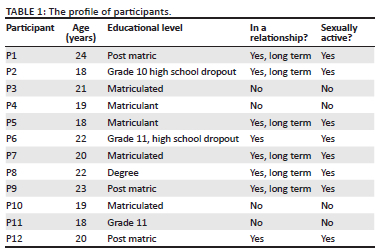
The study included 12 AGYW aged 18-24 years who had initiated PrEP use, as depicted in Table 1. Data saturation was reached with this sample size. Of these, four (33%) were still on PrEP, while eight (67%) had discontinued. Participants were recruited from the Richmond community, with three in high school, two employed and seven out of school. Three had children, and one disclosed living with HIV. She linked her HIV status to inconsistent use of PrEP while she was still negative, as it is a prerequisite prior to initiation. However, she discontinued use after testing positive. Four were in non-sexual relationships despite being sexually active in the past, while eight were sexually active. Pre-exposure prophylaxis use duration ranged from 1 month to 12 months.
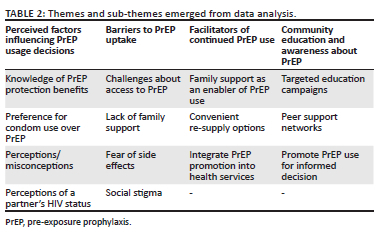
Table 2 presents the four main themes and related sub-themes emerging from the data.
Perceived factors influencing pre-exposure prophylaxis usage decisions
Knowledge of pre-exposure prophylaxis protection benefits
The knowledge of PrEP protection benefits seemed to affect the decision of PrEP uptake as an HIV prevention method used by AGYW. The young women were more knowledgeable about PrEP compared to adolescents. Participants pointed out that some individuals are aware of the effectiveness of PrEP:
'… [A]s I have said, PrEP is the only way. I will not count condoms. In my neighbourhood, a person meets another person to have sex with on the spot, and you find they do not have protection. Like, they do not have condoms, but it's better if the person is on PrEP.' (P1, 24 years, post matric)
Knowledge inspired confidence to use PrEP despite not knowing the mechanics. Young women had more confidence than adolescents:
'PrEP is a pill that protects you, even if you have sex with someone with HIV. You won't get infected. If you take PrEP, it is not easy to get infected. I am not sure how it works, but I was told that it prevents HIV infection when they gave me at Illovu.' (P7, 20 years, matriculated)
Preference for condom use over pre-exposure prophylaxis
Five out of 12 participants prefer condoms over PrEP for several reasons. Participants reported challenges with adhering to PrEP, including forgetting to take the medication and engaging in unprotected sexual activity, which heightened their risk of HIV infection. Condoms remained the popular preventative method, widely used before PrEP's introduction. Four young women and one adolescent who identified as sexually active expressed a preference for condoms over PrEP. They disliked taking pills when not ill and harboured concerns that PrEP might harm their immune system. Condoms were perceived as more convenient and easily accessible, as they did not require frequent clinic visits. Participants who received PrEP through home or community delivery adhered to the regimen; however, when delivery ceased, their use of PrEP also declined:
'I think it is because using condoms is easy and convenient; when you take PrEP, you have to go to certain places like the clinic to go and fetch it, you have to drink it at certain times, and there are things you are not allowed to do when you are on PrEP such as drinking alcohol, but with condoms, you can buy them or take them from the clinic, and no one will ask you anything about it.' (P8, 22 years, degree)
'They don't usually use PrEP. Most prefer condoms. Others don't like condoms, but the most popular method is condoms. As I have mentioned, with PrEP, they say it has side effects. So they are reluctant to use it because of that. Or there might be other reasons that I don't know, but most use condoms.' (P7, 20 years, Matriculated)
Perceptions and/or misconceptions
Perceptions/misconceptions about PrEP affect the decisions of participants on uptake. Young women participants had a strong sense of belief that PrEP affect their immune system, among adolescents, only one participant was uncertain about its immunological effects:
'Most of them prefer condom use because they say that with PrEP, they do not want to take pills while they are not sick. How can you take pills to prevent getting sick? I mean, that is what they do not like: taking pills even if they are not ill. That's what they say: do not take pills because you are not sick yet. These pills will affect the immune system because you are not sick yet.' (P6, 22 years, high school dropout)
Perceptions about a partner's HIV status
Awareness of a partner's HIV status influenced decisions regarding PrEP use among adolescents and young women. Many participants reported discontinuing PrEP upon confirming that they and their partners were HIV-negative, perceiving it as unnecessary in such circumstances. Conversely, a lack of disclosure or uncertainty about a partner's HIV status encouraged a more cautious approach, with some participants continuing to use PrEP until their partner's status was confirmed:
'… [I]t was like we were not trusting each other; to know his status led to me stop using PrEP. Yeah, because it prevents HIV only, and there is no need for it anymore.' (P2, 18 years, grade 10, high school dropout)
'First, I have to know my partner's HIV status if he does not disclose it. I have no choice. I will be forced to check my status first; if I'm negative, I will take PrEP until I know his HIV status.' (P7, 20 years, matriculated)
Barriers to pre-exposure prophylaxis uptake
Challenges about access to pre-exposure prophylaxis
Accessibility of PrEP varied among the participants, with some finding it easy to obtain it through clinics, schools and health non-government organisations (NGOs), including home delivery services. Poor clinic treatment, including rude and judgemental behaviour from nurses, further hindered access.
Out of 12 participants, eight (adolescents and young women) said they had had negative experiences at the health facility:
'Challenges? Yes, it is poor treatment from the clinics, and the person ends up being too lazy to collect PrEP because of lousy treatment from the clinic. They get judged when they go collect PrEP from the clinic and fear being judged that, at a young age, you are having sex.' (P2, 18 years old, grade 10, high school dropout)
'The thought of going to the clinic is unpleasant. Remember, it was given to us in the community. But I had to go to the clinic for re-supply and would not go to collect. Sometimes, a month would go by without the pills. I only got the month's supply when the health NGO returned to the community.' (P6, 22 years, grade 11, high school dropout)
Lack of family support
During data collection, family support was also a recurring theme. The participants mentioned that many parents lacked PrEP knowledge and did not support young people using it to protect themselves from HIV. Participants reported facing discouragement at home, with parents often questioning the necessity and effectiveness of PrEP. Families lacked information on PrEP and thought people who were on PrEP had multiple sexual partners:
'… [T]he problem can be at home because it is not easy to eat it well. Parents shout at us and say that at a young age, you are having sex. You explain to them that they should get people from PrEP (Health NGO) to clarify that if you eat PrEP, it's not that you are having sex.' (P3, 21 years, matriculated)
A participant added:
'I would like my family to encourage me to continue taking PrEP instead of discouraging me. They say things like, 'Are you even sure that the pills are working or not? All you do is just taking this pill every day at 7 pm. Well, maybe you already have HIV.' (P5, 18 years, matriculated)
Other participants were discouraged by the family members, and they ended up stopping the use of PrEP:
'Also, my aunt told me to stop taking these pills because I was not sick. She asked why I was taking pills because I was not sick. You only take pills if you are sick, and back then, I was negative. 'It's better to take the pills when you are sick already', said my aunt.' (P6, 22 years, grade 11, high school dropout)
Fear of side effects
Participants had varied experiences with PrEP, with many reporting common side effects like nausea, vomiting, dizziness and headaches, while others experienced no side effects at all. The fear of potential severe side effects was common, even though some reported no side effects:
'I experience a lot of side effects. I always feel sleepy after taking PrEP, and I experience a stomach ache. I feel dizzy, and sometimes I feel like vomiting. However, I will not stop taking PrEP because it protects me. Instead, I just take the pills when I am about to sleep.' (P5, 18 years, matriculated)
'What I was scared of, was the things I heard about it. People say it has terrible side effects. When I get sick, I get fragile, so I am scared of vomiting, nausea and headache. I cannot stand them. Others say you get all these side effects at the same time. So I asked myself, why should I put myself through all this? Basically, I am not sick, but I will make myself sick.' (P7, 20 years, matriculated)
Social stigma
Participants highlighted the frustrating gossip surrounding PrEP use, expressing concerns about being subjected to judgement because of misinformation about its use. Young people using PrEP are often gossiped about within families and communities and incorrectly assumed to be on HIV medication or judged for being sexually active:
'Others do not always like to take pills; they are scared people will gossip about them. It is not good to judge a person, not to make jokes about her because she is on PrEP, not to gossip about her or she becomes a topic to them.' (P4, 19 years, matriculant)
'But the NGO didn't give us more than one month's supply. When you go to the clinic, they say, 'This one sleeps around'; hence, you are on PrEP. I remember I was asked what is problematic with abstinence. People think you are promiscuous if you are on PrEP.' (P6, 22 years, grade 11, high school dropout)
'Yoo, they must stop gossiping about us as people who take PrEP. They do not know about PrEP, so they think we are taking HIV medication.' (P5, 18 years, matriculant)
Facilitators of continued pre-exposure prophylaxis use
Family support as an enabler of pre-exposure prophylaxis use
Family support emerged as a critical factor influencing PrEP adherence among participants. Those who maintained PrEP usage highlighted the encouragement and assistance they received from their families. In contrast, participants who discontinued PrEP after a brief period cited a lack of family support, including active discouragement from family members, as a key reason for their non-adherence:
'At home, they saw these pills and asked me what they were for. I told them they were for preventing HIV infection; that's all. I used to take them every time, and they never said anything. My family was very supportive. Sometimes my mother used to remind me to take the pills.' (P10, 19 years, matriculated)
Community education and awareness about pre-exposure prophylaxis
Targeted education campaigns
The AGYW in this study were asked to share how much they knew about PrEP. It emerged that there was a sense of low levels of knowledge about PrEP and, generally, widespread misconceptions about it. Participants lacked accurate information about PrEP, and this knowledge gap extended to the broader community. This group was often exposed to misinformation that framed PrEP use negatively and, therefore, highlighted the need for education in the community:
'If families have enough information, they can pass it on to the young women and, more importantly, encourage them to take PrEP without judging.' (P6, 22 years, grade 11, high school dropout)
One participant further expressed the need to educate families about PrEP:
'As I mentioned earlier, my family played a massive role in my decision about PrEP. They must be educated about it to best support their girls. If families have enough information, they can pass it on to the young women and, more importantly, encourage them to take PrEP without judging or influencing them based on inadequate information.' (P6, 22 years, grade 11, high school dropout)
Peer support networks
The participants who attended the workshops on sexual reproductive health sessions in the community served as a support system for one another, and participants reported that they leaned on each other for continuous support and encouragement to continue the use of PrEP. They shared their experiences and strategies for resilience to stigma and knowledge reinforcement about PrEP:
'They used to deliver it to us. We were attending something here in the centre with other girls, and they delivered it to us.' (P2, 18 years, grade 10, high school dropout)
A participant raised the issue of having support from the peers:
'They can link up with the people from PrEP to always bring it at school and in the community to link up with those who use it and have a group to support each other.' (P3, 21 years, matriculated)
Discussion
This study aimed to explore the experiences of AGYW aged 18-24 years in Richmond Local Municipality, South Africa, regarding the uptake of oral PrEP as a preventive measure against HIV. Consistent with study objectives, our findings offer critical insights into the multifaceted factors influencing PrEP use among this population. The results provide a nuanced understanding of how AGYW perceive, access and sustain PrEP usage, highlighting significant implications for enhancing HIV prevention strategies. This study indicates that a combination of individual knowledge, risk perception and social dynamics played a role in the PrEP initiation decision among participants. One of the key findings was that many family and community members lacked sufficient knowledge about PrEP, with some viewing it as a treatment for HIV rather than a preventive measure. This knowledge gap is consistent with findings from studies conducted in Kenya and South Africa, where a lack of awareness and misconceptions about PrEP contributed to low uptake among AGYW.12
Insufficient information compromised the participants' ability to make informed decisions on HIV prevention methods, thus exacerbating their vulnerability. The results suggest that the participants opted for condom usage because of negative experiences associated with collecting re-supply from the local clinics; often, they are labelled as promiscuous because they are using PrEP. Contrary to the challenges related to accessing PrEP, condoms were easily available and did not require frequent clinic visits. Our results are different from those of Malawi, where the AGYW chose PrEP as a method of choice instead of condom use.1126
The AGYW linked the decision to use PrEP to the individual's perception of their risk of contracting HIV. The results of this study indicated that some participants stopped using PrEP when they did not perceive themselves to be at risk for HIV, particularly those in relationships with partners they trusted or who had reasons to believe their partners were HIV-negative. Participants who discontinued the use of both PrEP and condoms were at increased risk of contracting HIV and other sexually transmitted infections (STIs) and experiencing unplanned pregnancies. These findings underscore critical gaps in understanding susceptibility and vulnerability factors that contribute to the spread of HIV among adolescents and young women, similar to the results of a study conducted in Kenya and South Africa.27
Additionally, the study revealed that participants who were not sexually active discontinued PrEP after 1 month, citing the absence of sexual relationships as the primary reason for discontinuation. These findings align with prior research from PrEP demonstration projects conducted in Cape Town and Buffalo City, South Africa, as well as in Mwanza, Tanzania and Harare, Zimbabwe. These studies similarly highlighted that low perceived risk significantly undermines PrEP uptake among young African women, emphasising the critical role of risk perception in shaping adherence to HIV prevention strategies.2829
One of the objectives of this study was to explore the factors influencing the initiation of PrEP among AGYW. The findings highlighted several critical barriers, including stigma, limited access to healthcare services and concerns about potential side effects. Stigma emerged as a particularly prominent theme, with many participants expressing fears that using PrEP might result in being labelled as promiscuous, reflecting significant social and cultural challenges to PrEP uptake in this population. These results are consistent with the findings from a study evaluating community readiness of oral PrEP in rural South Africa, where AGYW were labelled as 'prostitutes', and community gatekeepers opposed the rollout.930
A total of 90% of participants, across adolescents and young women, reported bad experiences when they visited the clinic to access PrEP. Both adolescents and young women participants cited negative attitudes from healthcare workers, which led them to be reluctant to visit health facilities. Our results are dissimilar to the findings of the study conducted in Cape Town, South Africa, regarding accessing clinics by young women and adolescents.3131
Concerns about side effects further hindered PrEP initiation. Participants expressed fears about the side effects of PrEP on their health. This barrier aligns with findings from a study conducted in Zimbabwe, Uganda and South Africa, which reported that the fear of side effects deterred AGYW from using PrEP.3233
Additionally, informing users about the low likelihood of severe side effects and emphasising benefits outweighing risks thus increase uptake and adherence in youth. These discussions should be youth-led and occur in settings where youth congregate.34
The fear of PrEP side effects, exacerbated by misinformation, aligns with the perceived barriers component of the HBM, as these concerns deter adolescents from using PrEP, even when they recognise their susceptibility to HIV.2929,35
The study also sought to examine the conditions that facilitate adherence and continuous use of PrEP among AGYW. We found that participants with strong family support reported they were likely to continue using PrEP, indicating that supportive relationships are critical in PrEP retention. Contrary to our findings, the results of the study from uMkhanyakude, South Africa involving young women who sell sex showed that the participants continued with PrEP despite the lack of family and community support.103031
Positive reinforcement from caregivers or parents also played a significant role in encouraging PrEP continuation. Study participants who received positive feedback about their commitment to HIV prevention from parents/caregivers felt more motivated to continue using PrEP. This emphasises the need for caregivers to offer ongoing encouragement and praise to adolescents for using PrEP. Strong support systems and positive reinforcement could act as cues to action, boosting adolescents' self-efficacy, which empowers them to confidently adhere to and continue using PrEP as outlined in the HBM.29
The findings from this study also highlight the critical role of community education and awareness in shaping attitudes towards PrEP. In Richmond Local Municipality, the perceived low levels of community knowledge about PrEP seemed to have contributed to the stigma and misconceptions surrounding its use. Comprehensive community education campaigns that reach adolescents and the broader population are necessary to normalise PrEP use.932
School parental meetings can serve as neutral platforms for PrEP education to strengthen parental and family involvement.36333731,38
Social stigma was another significant barrier highlighted by the participants. In our study, we found that AGYW faced judgement and gossip about their sexual activity and pill usage, particularly in community and clinic settings. Participants described that social stigma and gossip within communities emerged as substantial barriers to PrEP use. Lessons from community inclusion, including community 'leaders' studies in Kenya, South Africa and Nigeria, indicate the need for community buy-in for the successful rollout of PrEP.9,26,39,40
Poor treatment at clinics, including rude and judgemental behaviour from healthcare workers, was frequently mentioned as a barrier. We found that participants felt stigmatised and judged for using PrEP, with some being labelled promiscuous or facing intrusive questions about their sexual activity, which discouraged them from continuing PrEP use. This study highlights the complex factors influencing PrEP uptake and continuation among AGYW in Richmond Local Municipality, South Africa. Addressing the barriers to PrEP initiation, such as stigma and healthcare access, while reinforcing facilitators of adherence, such as support systems and positive reinforcement, is essential for improving PrEP outcomes in this population. Functional youth-friendly healthcare services are critical components of any strategy to increase adolescent PrEP uptake and adherence. Addressing these factors holistically can significantly enhance HIV prevention efforts in Richmond Municipality and similar settings.
Qualitative studies play a vital role in complementing quantitative research by offering a deeper understanding of the challenges derived from lived experience surrounding PrEP uptake among AGYW. This study's strength lies in its rigorous design, data collection and analysis, which provide detailed insights into AGYW's real-life experiences using PrEP. To our knowledge, no other studies have explored PrEP uptake experiences among AGYW in the Richmond Local Municipality, KwaZulu-Natal. Unlike previous research, our study identifies specific factors that support PrEP use among AGYW in a farming community (Richmond Local Municipality).
Study limitations
Several limitations impact the findings of the study. Because it was confined to one community, it could not be applied to other areas. Concentrating on AGYW's perspectives and not considering views from other groups, like men or older women, makes the findings not generalisable to other regions. Although data saturation was achieved, a larger sample size could have yielded more diverse perspectives. The study did not compare views across age groups or fully analyse how the PrEP programme was implemented. Self-reported data were used exclusively, and it may be biased in the data reported by participants.
Recommendations for future studies
Findings suggest a need for a study with a larger sample to examine the community of Richmond Local Municipality, including community gatekeepers' understanding of PrEP, and determine whether there is a general negative attitude towards AGYW using this prevention method in the community at large that contributes to low uptake. A range of demographics, including older women and men, should be included in future studies to have a deeper knowledge of PrEP uptake in these populations. To improve generalisability, the study should also examine AGYW's experiences in other socio-cultural and geographic contexts. Mixed methods and data triangulation can increase reliability and yield fresh insights. Studies should also assess interventions such as community-based PrEP distribution and educational initiatives to improve adherence and retention. Persistent PrEP use and evolving barriers can be examined through longitudinal research. Innovative strategies like peer support groups and digital health technologies should be developed to improve adherence and reduce stigma in settings with limited resources.
Conclusion
This study explored the perceptions of AGYW and broadened the understanding of why the PrEP uptake is significantly low among this population in Richmond, despite the knowledge of its benefits based on their views. The study captured the voices of the AGYW's experiences in accessing HIV prevention commodities. Furthermore, practical approaches to increasing uptake by removing barriers and improving facilitators that make PrEP more accessible were studied. The study highlighted the need for targeted education efforts to reduce stigma and raise community understanding about PrEP. By removing barriers through conventional leadership training and community-focused interventions, PrEP uptake and adherence among AGYW in rural regions can be improved.
Competing interests
The authors declare that they have no financial or personal relationships that may have inappropriately influenced them in writing this article.
Authors' contributions
S.J.N., S.B.D. and G.E.S. were involved in the study's design and theoretical framework. S.J.N. conducted the research under the supervision of S.B.D. and G.E.S. Together, S.J.N., S.B.D. and G.E.S. contributed to the review and writing of the manuscript.
Funding information
No grant was received for this research from any specific funding agency in commercial, public or non-profit sectors.
Data availability
The data supporting this study's findings are available upon reasonable request from the corresponding author, S.J.N.
Disclaimer
The views and opinions expressed in this article are those of the authors and are the product of professional research. It does not necessarily reflect the official policy or position of any affiliated institution, funder, agency or the publisher. The authors are responsible for this article's results, findings and content.
Acknowledgements
The authors would like to acknowledge Silindokuhle Ndlovu for her data collection contribution. This article is partially based on the author S.J.N.'s dissertation titled 'Experiences of adolescent girls and young women (18-24) years of oral pre-exposure prophylaxis uptake in Richmond local Municipality, KwaZulu-Natal', towards the degree of Masters in Public Health in the Discipline of Public Health Medicine, University of KwaZulu-Natal, South Africa, on 09 June 2025, with supervisors Drs S.B. Dlamini and G.E. Shezi.
References
-
1. Mabaso M, Sokhela Z, Mohlabane N, Chibi B, Zuma K, Simbayi L. Determinants of HIV infection among adolescent girls and young women aged 15-24 years in South Africa: A 2012 population-based national household survey. BMC Public Health. 2018;18(1):183. https://doi.org/10.1186/s12889-018-5051-3
» https://doi.org/10.1186/s12889-018-5051-3 -
2. Joint United Nations Programme on HIV/AIDS. Women and HIV: A spotlight on adolescent girls and young women [homepage on the Internet]. 2019 [cited 2023 Sep 24]. Available from: https://www.unaids.org/en/resources
» https://www.unaids.org/en/resources -
3. Ngwenya N, Gumede D, Shahmanesh M, McGrath N, Grant A, Seeley J. Community perceptions of the socio-economic structural context influencing HIV and TB risk, prevention and treatment in a high prevalence area in the era of antiretroviral therapy. Afr J AIDS Res. 2018;17(1):72-81. https://doi.org/10.2989/16085906.2017.1415214
» https://doi.org/10.2989/16085906.2017.1415214 -
4. Lewis L, Kharsany ABM, Humphries H, et al. HIV incidence and associated risk factors in adolescent girls and young women in South Africa: A population-based cohort study. PLoS One. 2022;17(12):e0279289. https://doi.org/10.1371/journal.pone.0279289
» https://doi.org/10.1371/journal.pone.0279289 - 5. Zuma KZN, Moyo S, Marinda E, et al. The Sixth South African National HIV prevalence, incidence and behaviour survey, 2022: A summary report. Cape Town: HSRC Press; 2024.
- 6. Simbayi LCZK, Zungu N, Moyo S, et al. South African National HIV prevalence, incidence, behaviour and communication survey, 2017. Cape Town: HSRC Press; 2019.
-
7. Hosek S, Pettifor A. HIV prevention interventions for adolescents. Curr HIV/AIDS Rep. 2019;16(1):120-128. https://doi.org/10.1007/s11904-019-00431-y
» https://doi.org/10.1007/s11904-019-00431-y -
8. Mathur S, Okal J, Musheke M, et al. High rates of sexual violence by both intimate and non-intimate partners experienced by adolescent girls and young women in Kenya and Zambia: Findings around violence and other negative health outcomes. PLoS One. 2018;13(9):e0203929. https://doi.org/10.1371/journal.pone.0203929
» https://doi.org/10.1371/journal.pone.0203929 -
9. Nakasone SE, Chimbindi N, Mthiyane N, et al. 'They have this not care - Don't care attitude': A mixed methods study evaluating community readiness for oral PrEP in adolescent girls and young women in a rural area of South Africa. AIDS Res Ther. 2020;17(1):55. https://doi.org/10.1186/s12981-020-00310-2
» https://doi.org/10.1186/s12981-020-00310-2 -
10. Chimbindi N, Mthiyane N, Zuma T, et al. Antiretroviral therapy based HIV prevention targeting young women who sell sex: A mixed method approach to understand the implementation of PrEP in a rural area of KwaZulu-Natal, South Africa. AIDS Care. 2022;34(2):232-240. https://doi.org/10.1080/09540121.2021.1902933
» https://doi.org/10.1080/09540121.2021.1902933 -
11. Maseko B, Hill LM, Phanga T, et al. Perceptions of and interest in HIV pre-exposure prophylaxis use among adolescent girls and young women in Lilongwe, Malawi. PLoS One. 2020;15(1):e0226062. https://doi.org/10.1371/journal.pone.0226062
» https://doi.org/10.1371/journal.pone.0226062 -
12. Rousseau E, Katz AWK, O'Rourke S, et al. Adolescent girls and young women's PrEP-user journey during an implementation science study in South Africa and Kenya. PLoS One. 2021;16(10):e0258542. https://doi.org/10.1371/journal.pone.0258542
» https://doi.org/10.1371/journal.pone.0258542 -
13. McClinton Appollis T, Duby Z, Jonas K, et al. Factors influencing adolescent girls and young women's participation in a combination HIV prevention intervention in South Africa. BMC Public Health. 2021;21(1):417. https://doi.org/10.1186/s12889-021-10462-z
» https://doi.org/10.1186/s12889-021-10462-z -
14. Pillay D, Stankevitz K, Lanham M, et al. Factors influencing uptake, continuation, and discontinuation of oral PrEP among clients at sex worker and MSM facilities in South Africa. PLoS One. 2020;15(4):e0228620. https://doi.org/10.1371/journal.pone.0228620
» https://doi.org/10.1371/journal.pone.0228620 -
15. Lanham M, Ridgeway K, Mireku M, et al. Health care providers' attitudes toward and experiences delivering oral PrEP to adolescent girls and young women in Kenya, South Africa, and Zimbabwe. BMC Health Serv Res. 2021;21(1):1112. https://doi.org/10.1186/s12913-021-06978-0
» https://doi.org/10.1186/s12913-021-06978-0 -
16. Hill LM, Maseko B, Chagomerana M, et al. HIV risk, risk perception, and PrEP interest among adolescent girls and young women in Lilongwe, Malawi: Operationalizing the PrEP cascade. J Int AIDS Soc. 2020;23 Suppl 3:e25502. https://doi.org/10.1002/jia2.25502
» https://doi.org/10.1002/jia2.25502 -
17. Giovenco D, Gill K, Fynn L, et al. Experiences of oral pre-exposure prophylaxis (PrEP) use disclosure among South African adolescent girls and young women and its perceived impact on adherence. PLoS One. 2021;16(3):e0248307. https://doi.org/10.1371/journal.pone.0248307
» https://doi.org/10.1371/journal.pone.0248307 -
18. Bunniss S, Kelly DR. Research paradigms in medical education research. Med Educ. 2010;44(4):358-66. https://doi.org/10.1111/j.1365-2923.2009.03611.x
» https://doi.org/10.1111/j.1365-2923.2009.03611.x - 19. Krauss SE. Research paradigms and meaning making: A primer. Qual Rep. 2005;10(4):758-770.
-
20. Nicol E, Ramraj T, Hlongwa M, et al. Strengthening health system's capacity for pre-exposure prophylaxis for adolescent girls and young women and adolescent boys and young men in South Africa (SHeS'Cap-PrEP): Protocol for a mixed methods study in KwaZulu-Natal, South Africa. PLoS One. 2022;17(3):e0264808. https://doi.org/10.1371/journal.pone.0264808
» https://doi.org/10.1371/journal.pone.0264808 -
21. Richmond Local Municipality. Integrated Development Plan 2022/2023 [homepage on the Internet]. 2022 [cited 2023 Sep 24]. Available from: https://richmond.gov.za/
» https://richmond.gov.za/ - 22. World Health Organization. Global Accelerated Action for the Health of Adolescents (AA-HA!): Guidance to support country implementation. Geneva: World Health Organization; 2023.
-
23. Morrow RRA, King N. 'Colaizzi's descriptive phenomenological method. Pyschologist. 2015;28(8):643-644. https://doi.org/10.1016/j.jcin.2015.03.004
» https://doi.org/10.1016/j.jcin.2015.03.004 - 24. Bazeley P. Qualitative data analysis with NVivo. London: Sage; 2019.
-
25. Tufford L, Newman P. Bracketing in qualitative research. Qual Soc Work. 2010;11(1):80-96. https://doi.org/10.1177/1473325010368316
» https://doi.org/10.1177/1473325010368316 -
26. Reza-Paul S, Lazarus L, Jana S, et al. Community inclusion in PrEP demonstration projects: Lessons for scaling up. Gates Open Res. 2019;3:1504. https://doi.org/10.12688/gatesopenres.13042.1
» https://doi.org/10.12688/gatesopenres.13042.1 -
27. Birdthistle I, Carter DJ, Mthiyane NT, et al. Early impact of the DREAMS partnership on young women's knowledge of their HIV status: Causal analysis of population-based surveys in Kenya and South Africa. J Epidemiol Community Health. 2022;76(2):158-167. https://doi.org/10.1136/jech-2020-216042
» https://doi.org/10.1136/jech-2020-216042 -
28. Celum C, Hosek S, Tsholwana M, et al. PrEP uptake, persistence, adherence, and effect of retrospective drug level feedback on PrEP adherence among young women in southern Africa: Results from HPTN 082, a randomized controlled trial. PLoS Med. 2021;18(6):e1003670. https://doi.org/10.1371/journal.pmed.1003670
» https://doi.org/10.1371/journal.pmed.1003670 -
29. Felsher M, Szep Z, Krakower D, Martinez-Donate A, Tran N, Roth AM. 'I Don't Need PrEP Right Now': A qualitative exploration of the barriers to prep care engagement through the application of the health belief model. AIDS Educ Prev. 2018;30(5):369-381. https://doi.org/10.1521/aeap.2018.30.5.369
» https://doi.org/10.1521/aeap.2018.30.5.369 -
30. Velloza J, Khoza N, Scorgie F, et al. The influence of HIV-related stigma on PrEP disclosure and adherence among adolescent girls and young women in HPTN 082: A qualitative study. J Int AIDS Soc. 2020;23(3):e25463. https://doi.org/10.1002/jia2.25463
» https://doi.org/10.1002/jia2.25463 -
31. Rousseau E, Bekker LG, Julies RF, et al. A community-based mobile clinic model delivering PrEP for HIV prevention to adolescent girls and young women in Cape Town, South Africa. BMC Health Serv Res. 2021;21(1):888. https://doi.org/10.1186/s12913-021-06920-4
» https://doi.org/10.1186/s12913-021-06920-4 -
32. Muhumuza R, Ssemata AS, Kakande A, et al. Exploring perceived barriers and facilitators of prep uptake among young people in Uganda, Zimbabwe, and South Africa. Arch Sex Behav. 2021;50(4):1729-1742. https://doi.org/10.1007/s10508-020-01880-y
» https://doi.org/10.1007/s10508-020-01880-y -
33. Tenza S, Mampuru L, Moji M, et al. 'Killing two birds with one stone' - A qualitative study on 'women's perspectives on the dual prevention pill in Johannesburg, South Africa. BMC Womens Health. 2024;24(1):462. https://doi.org/10.1186/s12905-024-03269-8
» https://doi.org/10.1186/s12905-024-03269-8 -
34. Celum CL, Delany-Moretlwe S, Baeten JM, et al. HIV pre-exposure prophylaxis for adolescent girls and young women in Africa: From efficacy trials to delivery. J Int AIDS Soc. 2019;22 Suppl 4:e25298. https://doi.org/10.1002/jia2.25298
» https://doi.org/10.1002/jia2.25298 -
35. Janz NK, Becker MH. The health belief model: A decade later. Health Educ Q. 1984;11(1):1-47. https://doi.org/10.1177/109019818401100101
» https://doi.org/10.1177/109019818401100101 -
36. Wang B, Stanton B, Deveaux L, Li X, Koci V, Lunn S. The impact of parent involvement in an effective adolescent risk reduction intervention on sexual risk communication and adolescent outcomes. AIDS Educ Prev. 2014;26(6):500-520. https://doi.org/10.1521/aeap.2014.26.6.500
» https://doi.org/10.1521/aeap.2014.26.6.500 -
37. Ajayi AI, Mudefi E, Yusuf MS, Adeniyi OV, Rala N, Goon DT. Low awareness and use of pre-exposure prophylaxis among adolescents and young adults in high HIV and sexual violence prevalence settings. Medicine (Baltimore). 2019;98(43):e17716. https://doi.org/10.1097/MD.0000000000017716
» https://doi.org/10.1097/MD.0000000000017716 -
38. Swartz S, Deutsch C, Makoae M, et al. Measuring change in vulnerable adolescents: Findings from a peer education evaluation in South Africa. SAHARA J. 2012;9(4):242-254. https://doi.org/10.1080/17290376.2012.745696
» https://doi.org/10.1080/17290376.2012.745696 -
39. Chimbindi N, Birdthistle I, Floyd S, et al. Directed and target focused multi-sectoral adolescent HIV prevention: Insights from implementation of the 'DREAMS Partnership' in rural South Africa. J Int AIDS Soc. 2020;23 Suppl 5:e25575. https://doi.org/10.1002/jia2.25575
» https://doi.org/10.1002/jia2.25575 - 40. John Idoko MOF. The use of antiretroviral therapy for the prevention of new HIV infection in populations at high risk for HIV sero-conversion in Nigeria. Afr J Reprod Health. 2014;18.3(34):127.

Accepted: 09 July 2025
Published: 12 Sept. 2025