Disposing of Bodies, Semantically: Notes on the Meaning of "Disposal" in S v Molefe
Abstract
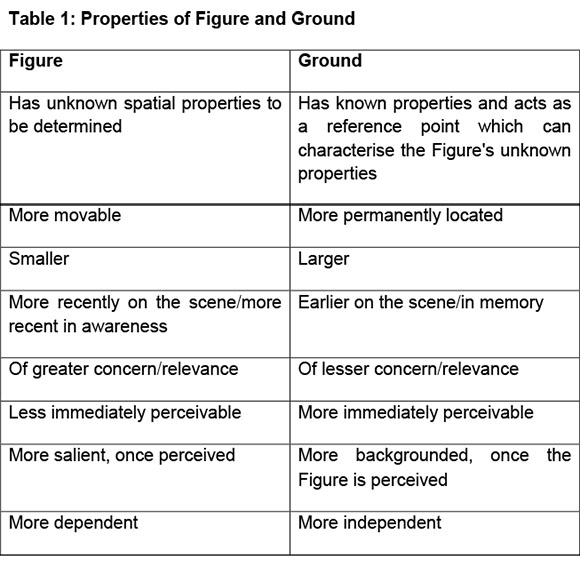
In S v Molefe the presiding officer determines the meaning of the word "disposal" at the hand of two criteria, namely visibility and permanence; this means a body has to be permanently out of sight to be considered disposed of. He applies these two criteria in order to conclude if the accused is guilty of concealing the birth of her child by disposing of its body. In doing so, the court no longer interprets the word as an everyday word but turns it into a legal term. This note questions the linguistic soundness of the criteria by investigating how language structures space, and how these constructions relate to the word "disposal". In order to scrutinise the criteria, a text analysis was carried out by applying Talmy's ideas surrounding prepositions in structuring space and movement. Connected to this is the semantic difference between the words "seeing" and "looking": seeing is a sensory act, whereas looking is a cognitive one. In keeping with the contested word's status as a legal term, the difference between seeing and looking aids in formulating two new criteria. Courts may consider assessing whether disposal took place on the grounds of containment and movement; for instance, has the body been moved from one location to another and is the body being contained within another object like a bucket, a wooden box or a suitcase?
Attempt; concealment of birth; disposal; dispose of; disposed; looking; ordinary meaning; seeing; space in language; uncompleted attempt