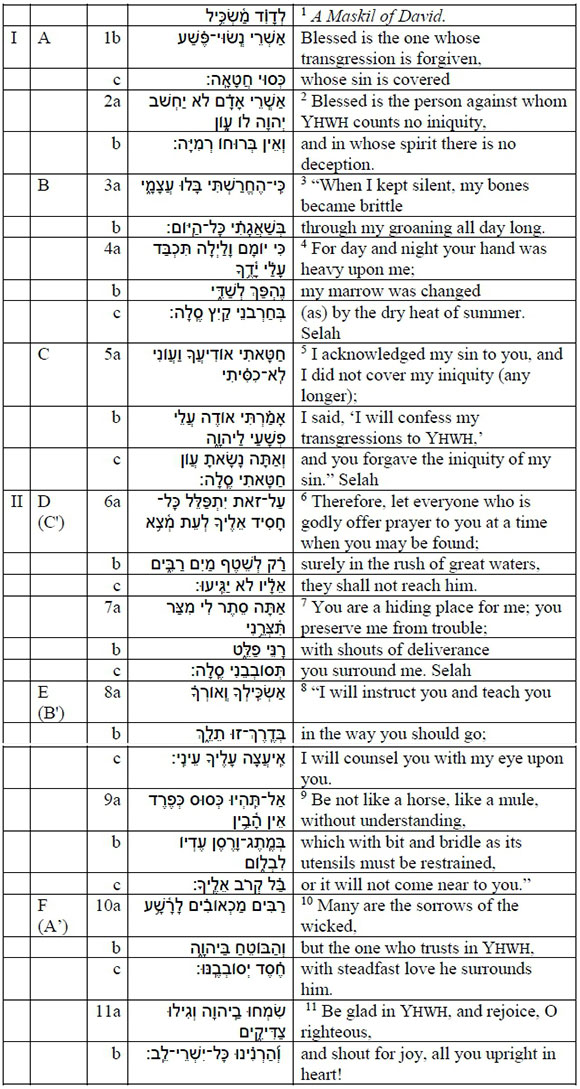
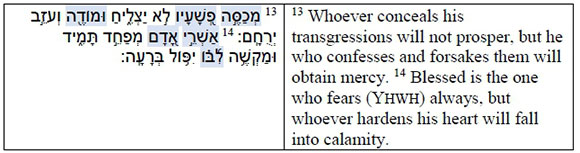
Psalm 32: A social-scientific investigation
Abstract
The article identifies the root metaphors used in Ps 32 and uses these to identify the purpose and strategy of the psalm as a means of communication between its author and its original audience. It argues that the psalm should not be read as a psalm of thanksgiving with wisdom elements, but a wisdom-teaching psalm which replicates a psalm of thanksgiving. The author and/or editors used the composition, which is ascribed to King David, as a means of exhorting members of the in-group in a post-exilic setting in Judah to trust in Yhwh and to stay faithful to him. The implied author's experience of suffering because of pent-up guilt, as well as an authoritative first-person address by Yhwh, was used in conjunction with a range of wisdom features by the author to communicate this message to its original audience.
Psalm 32; strategy; wisdom; trust; sin; guilt; suffering
 Thumbnail
 Thumbnail