Molecular surveillance of spotted fever group rickettsioses in wildlife and detection of Rickettsia sibirica in a Topi (Damaliscus lunatus ssp. jimela) in Kenya
Abstract
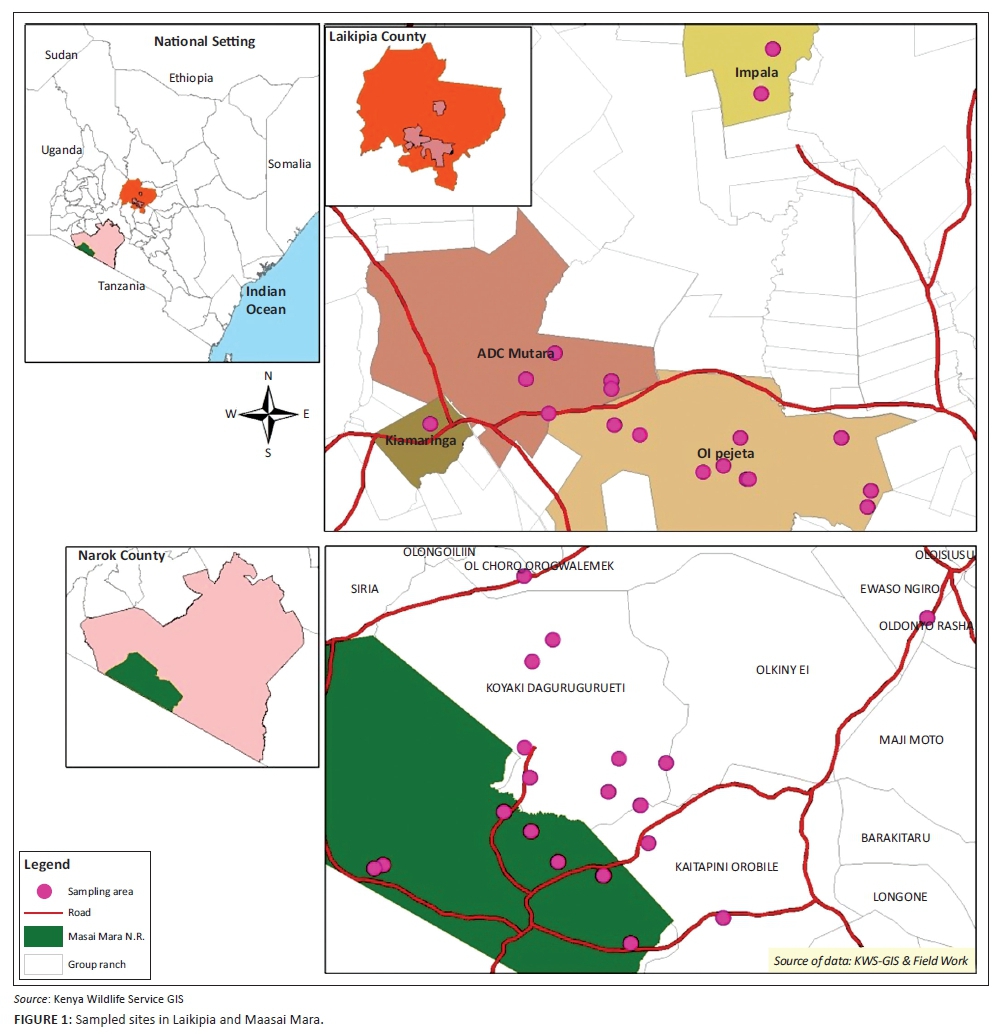
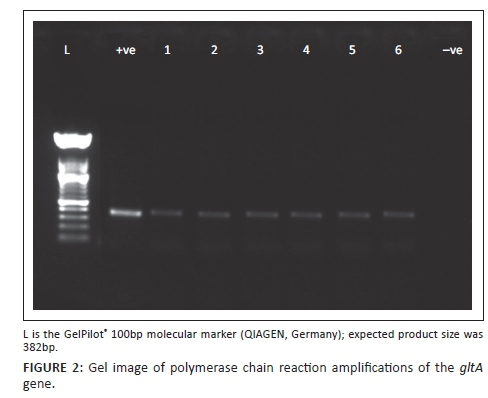
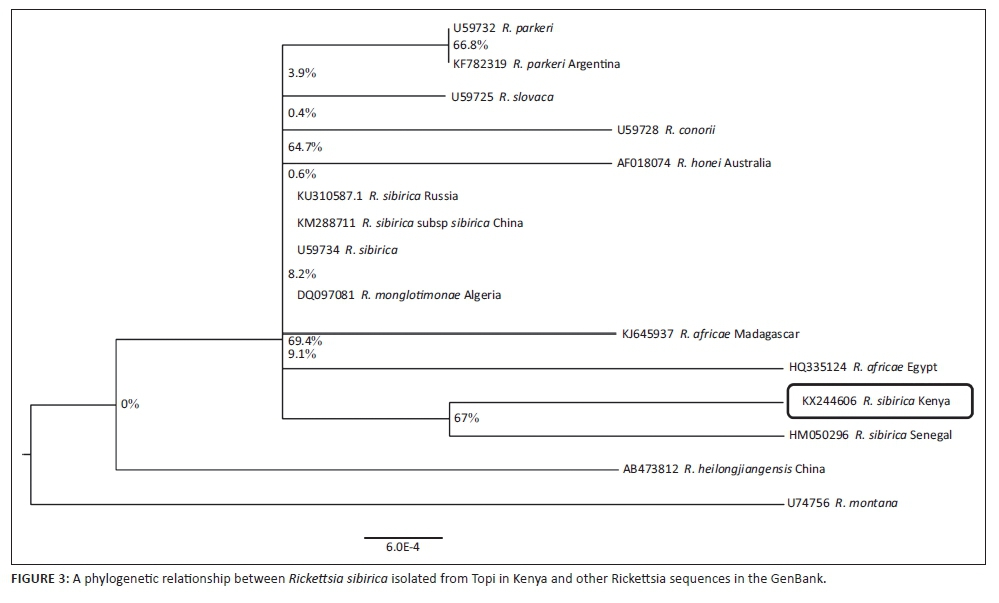
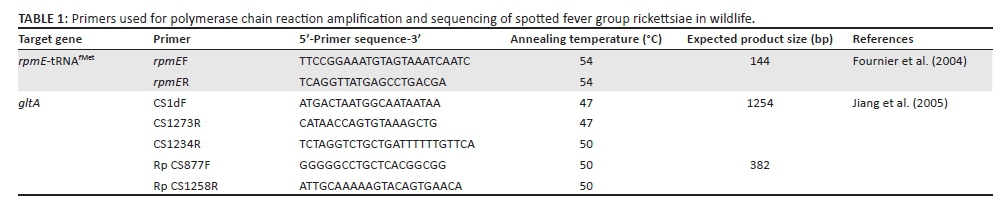
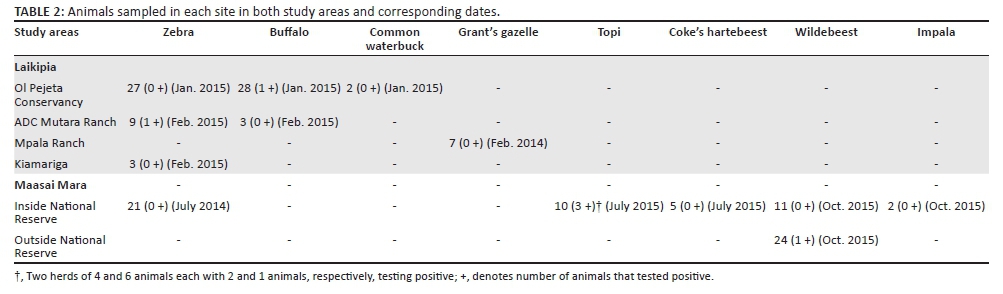
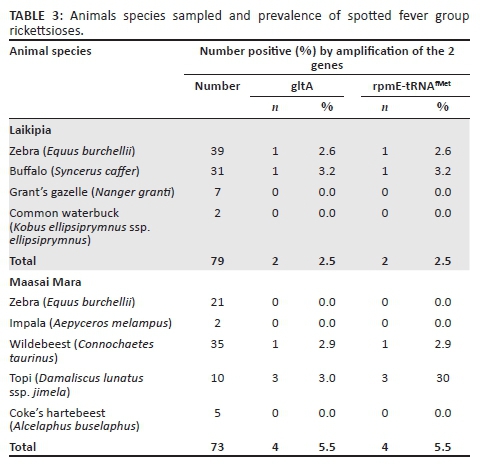
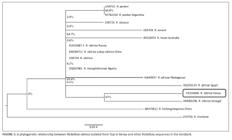
Spotted fever group rickettsioses are a group of tick-borne zoonotic diseases caused by intracellular bacteria of the genus Rickettsia. The diseases are widely reported amongst international travellers returning from most sub-Saharan Africa with fever, yet their importance in local populations largely remains unknown. Although this has started to change and recently there have been increasing reports of the diseases in livestock, ticks and humans in Kenya, they have not been investigated in wildlife. We examined the presence, prevalence and species of Rickettsia present in wildlife in two regions of Kenya with a unique human-wildlife-livestock interface. For this purpose, 79 wild animals in Laikipia County and 73 in Maasai Mara National Reserve were sampled. DNA extracted from blood was tested using the polymerase chain reaction (PCR) to amplify the intergenic spacer rpmE-tRNAfMet and the citrate synthase-encoding gene gltA. Rickettsial DNA was detected in 2 of the 79 (2.5%) animals in Laikipia and 4 of the 73 (5.5%) in Maasai Mara. The PCR-positive amplicons of the gltA gene were sequenced to determine the detected Rickettsia species. This revealed Rickettsia sibirica in a Topi (Damaliscus lunatus ssp. jimela). This is the first report of spotted fever group rickettsioses in wildlife and the first to report R. sibirica in Kenya. The finding demonstrates the potential role of wild animals in the circulation of the diseases.
 Thumbnail
 Thumbnail
 Thumbnail