Prevalence and renal pathology of pathogenic Leptospira spp. in wildlife in Abeokuta, Ogun State, Nigeria
Abstract
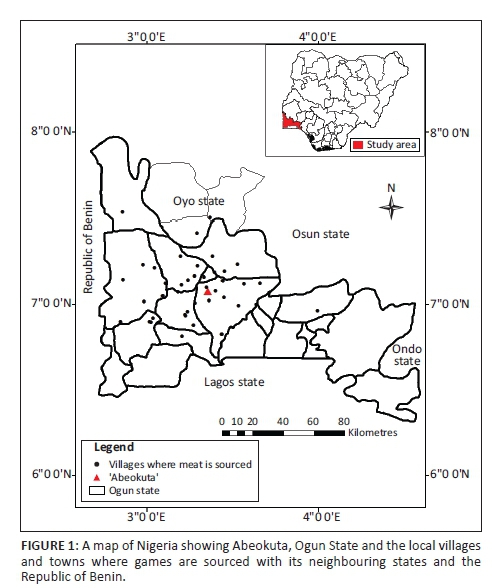
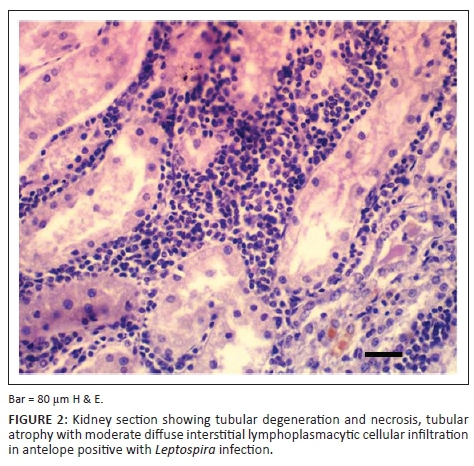
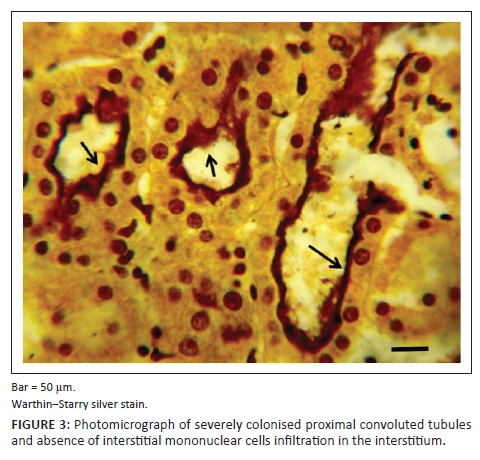
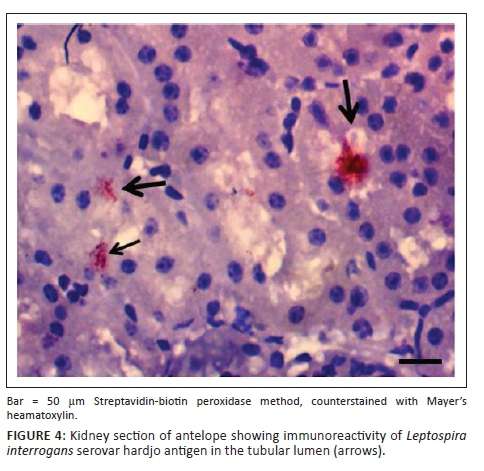
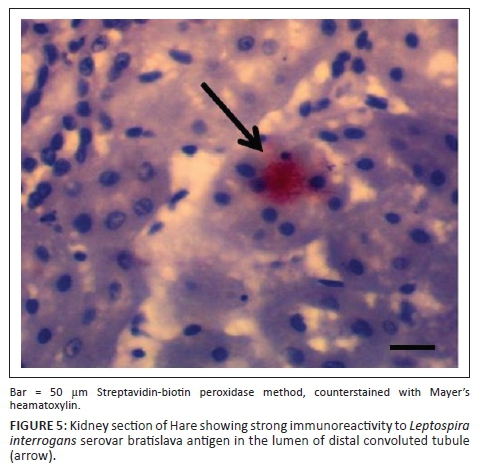
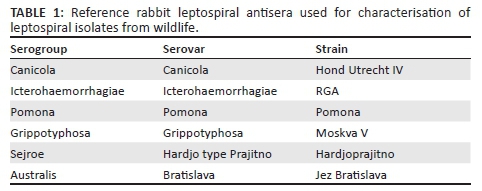
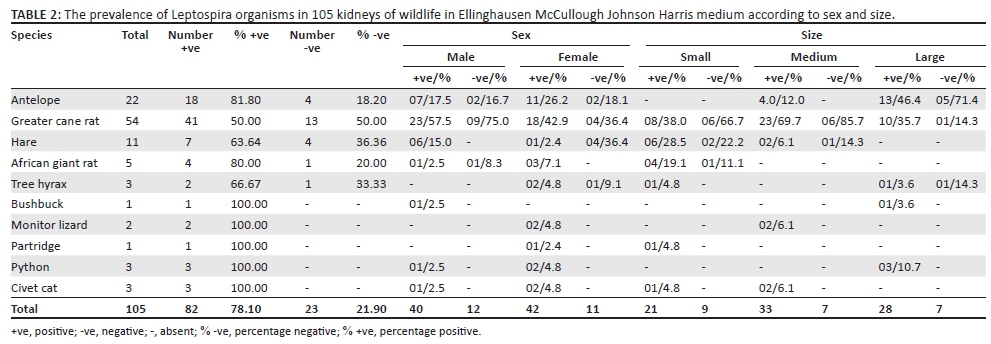
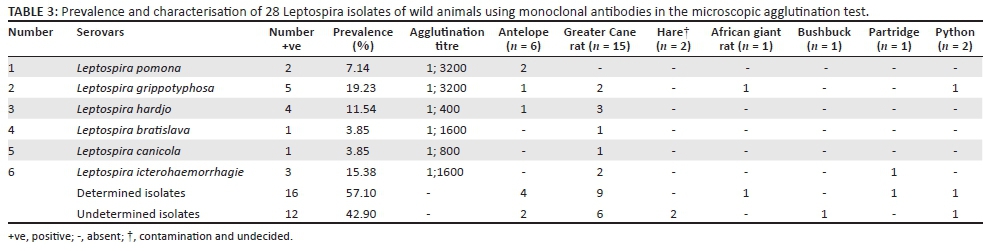
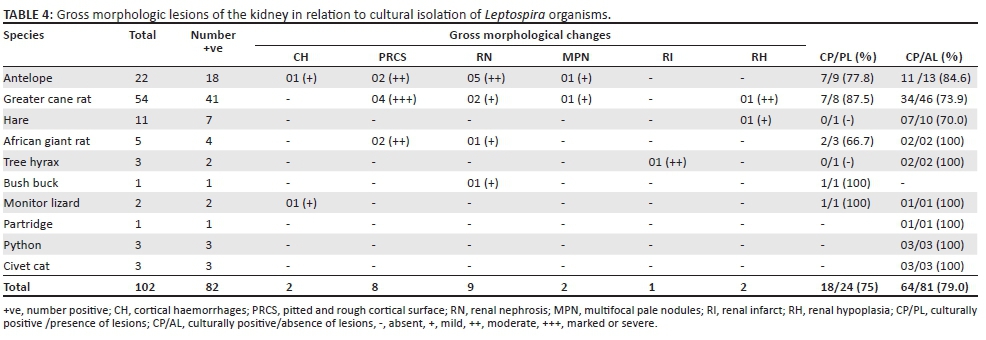
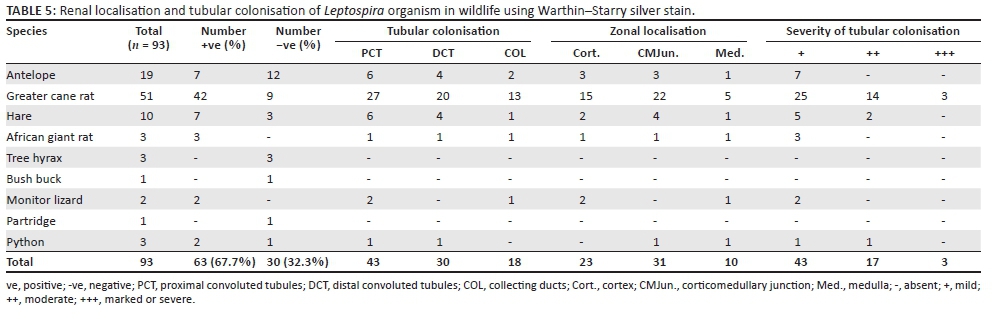
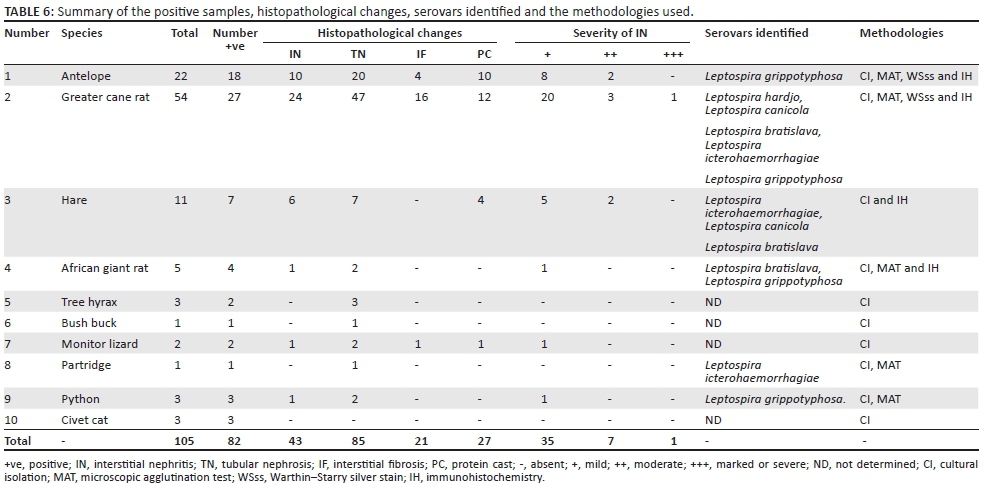
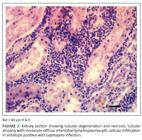
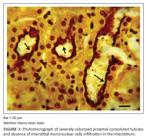
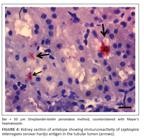
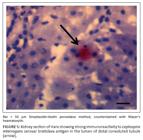
There is paucity of information on the prevalence of leptospirosis in wildlife in Nigeria. This study investigated the prevalence and renal pathology of leptospirosis in wild animals in Southwest Nigeria. One hundred and five kidney samples were examined from 10 different wildlife species (antelope) greater cane rat (GCR), hare, African giant rat (AGR), tree hyrax, civet cat, monitor lizard, python, bushbuck and partridge) using a combination of Ellinghausen McCullough Johnson Harris (EMJH) medium, microscopic agglutination test (MAT), Warthin-Starry silver stain (WSss) and immunohistochemistry. Chi-square test was used with confidence level set at 0.05 to ascertain associations between positive cases and sex and species. Eighty-two (78.1%) samples were culturally positive, while 67.7% (63/93), 57.0% (16/28) and 66.7% (8/12) were WSss, MAT and immunohistochemically positive, respectively. Interstitial nephritis (41.0%) and tubular nephrosis (81.0%) were the most prominent histopathological changes. Pathogenic Leptospira organisms were highest in GCR (32.1%) and antelope (14.3%). Serovars hardjo (11.54%), bratislava (3.9%), canicola (3.9%), icterohaemorrhagiae (15.4%), pomona (7.14%) gripptotyphosa (19.2%) and undetermined isolates were also detected in other animals. The result showed high prevalence of Leptospira infection in the wild and the possibility of domestic animals and humans contracting the disease. This study is the first documentation of evidence of pathogenic Leptospira species in wildlife in Nigeria.
 Thumbnail
 Thumbnail
 Thumbnail
 Thumbnail
 Thumbnail