In vitro propagation and genome sequencing of three 'atypical' Ehrlichia ruminantium isolates
Abstract
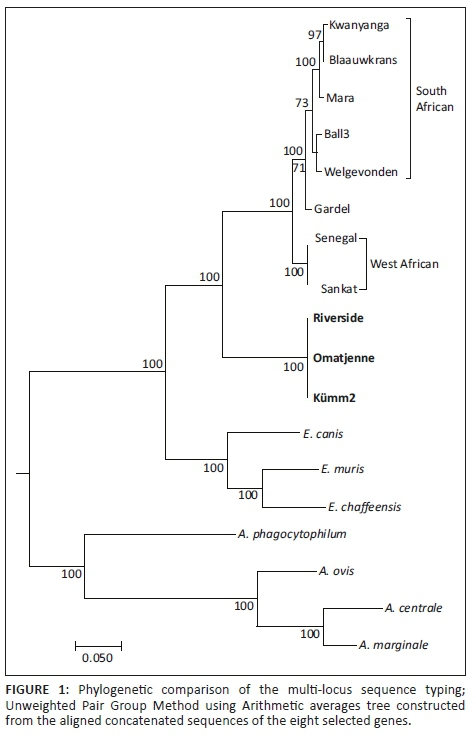
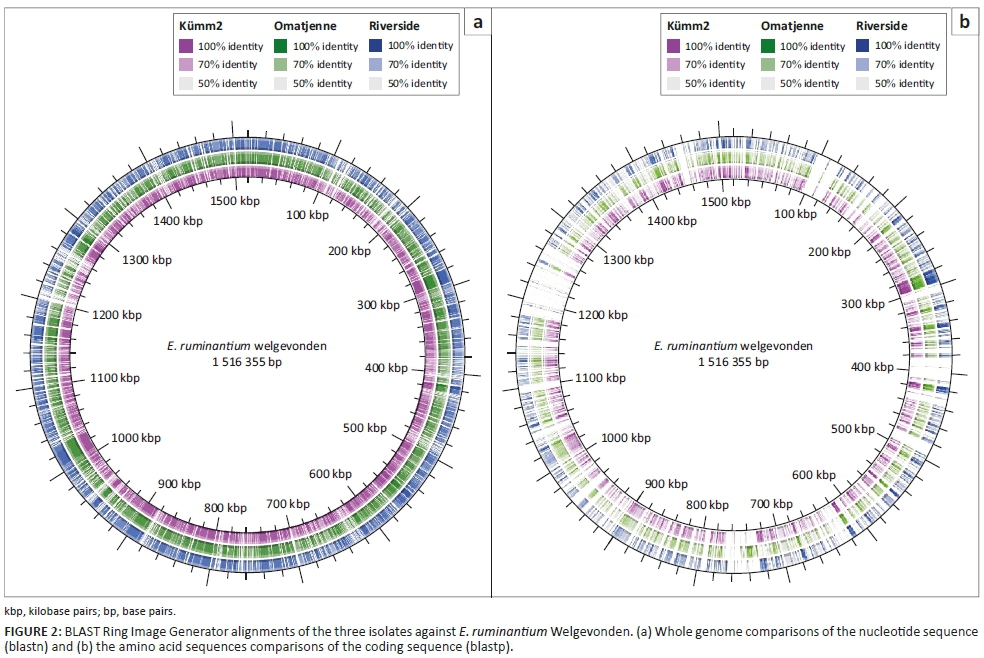
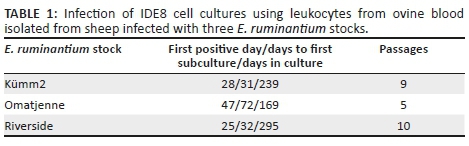
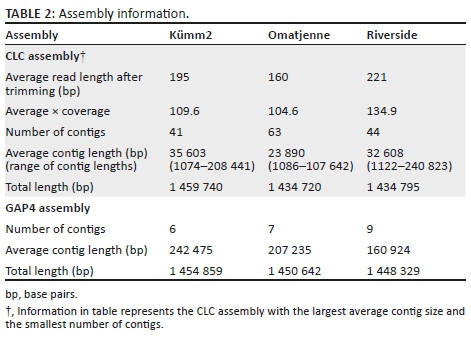
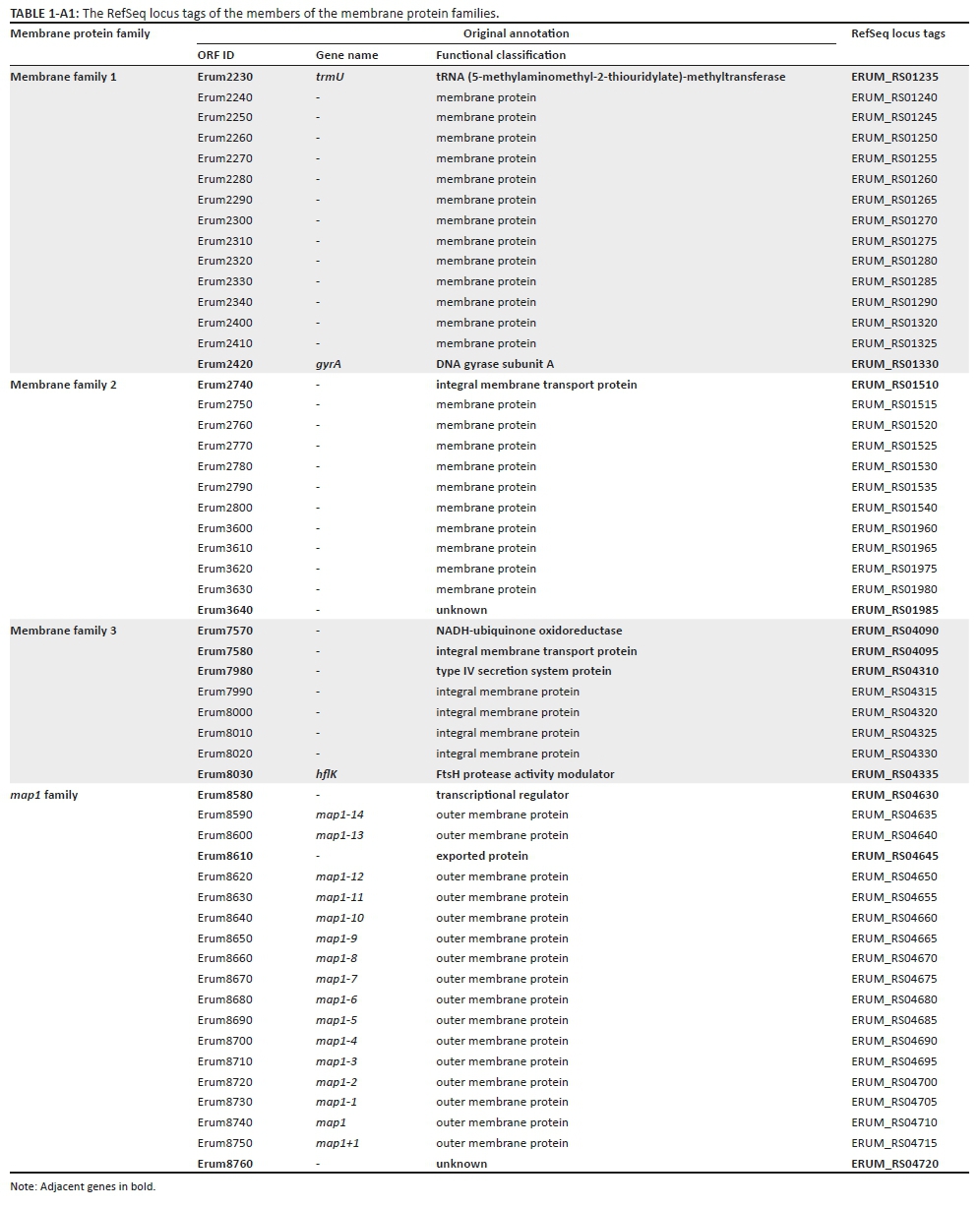
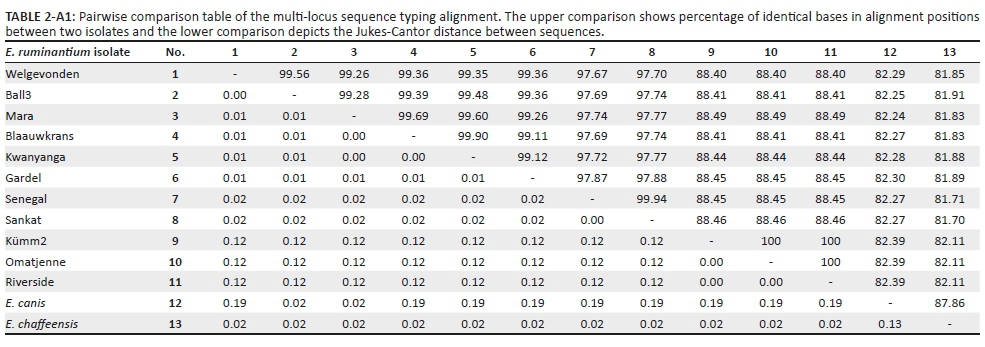
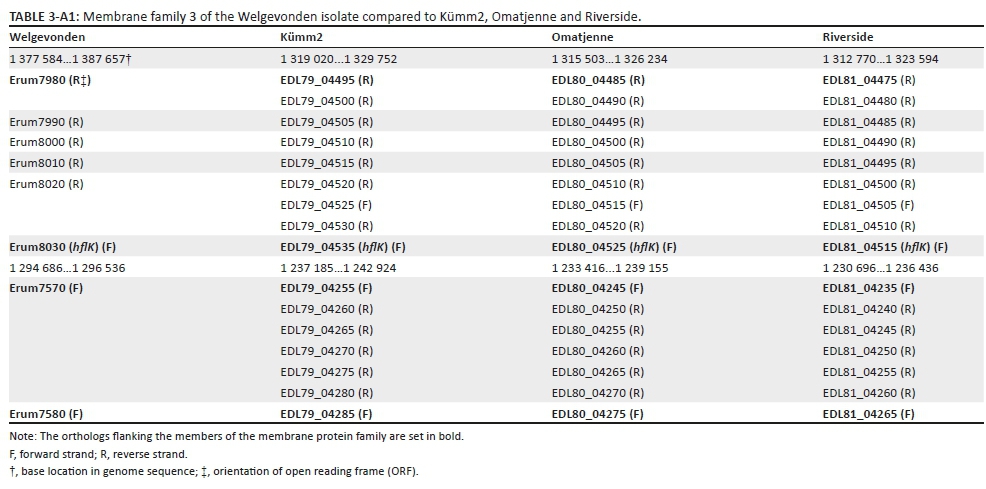
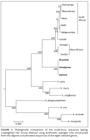
Three isolates of Ehrlichia ruminantium (Kümm 2, Omatjenne and Riverside), the causative agent of heartwater in domestic ruminants, were isolated in Ixodes scapularis (IDE8) tick cell cultures using the leukocyte fraction of infected sheep blood. All stocks were successfully propagated in IDE8 cells, whereas initiation attempts using endothelial cell cultures were unsuccessful. Therefore, the new technique should be included in any attempt to isolate field strains of E. ruminantium to enhance the probability of getting E. ruminantium isolates which might not be initiated in endothelial cells. Draft genome sequences of all three isolates were generated and compared with published genomes. The data confirmed previous phylogenetic studies that these three isolates are genetically very close to each other, but distinct from previously characterised E. ruminantium isolates. Genome comparisons indicated that the gene content and genomic synteny were highly conserved, with the exception of the membrane protein families. These findings expand our understanding of the genetic diversity of E. ruminantium and confirm the distinct phenotypic and genetic characteristics shared by these three isolates.
Ehrlichia ruminantium; heartwater; in vitro isolation; tick cell line; comparative genomics
 Thumbnail
 Thumbnail
 Thumbnail
 Thumbnail
 Thumbnail
 Thumbnail