Different Perspectives regarding Glossaries: Translational versus Lexicographic
Abstract
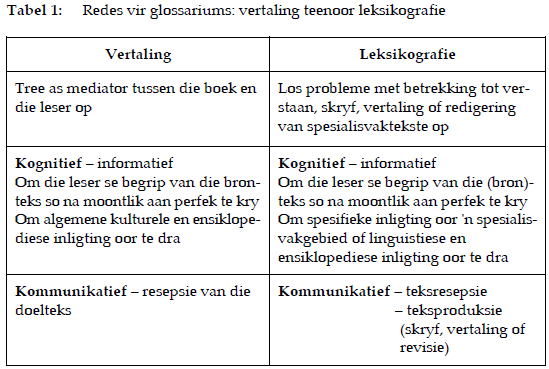
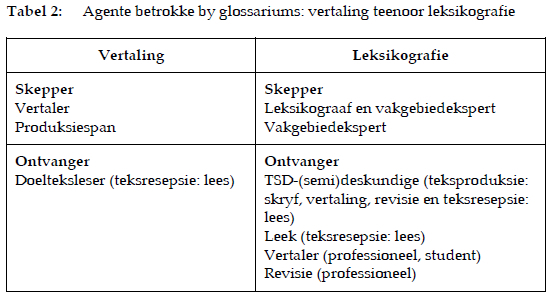
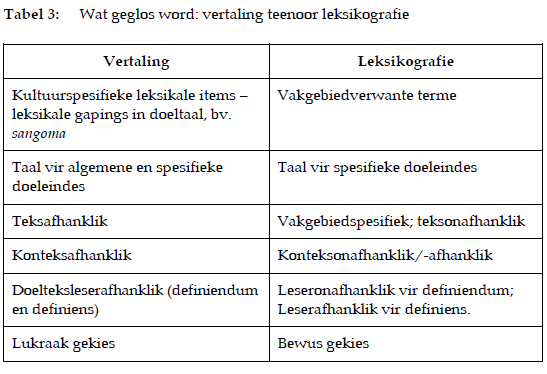
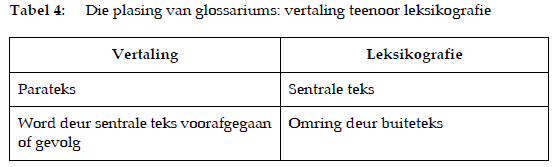
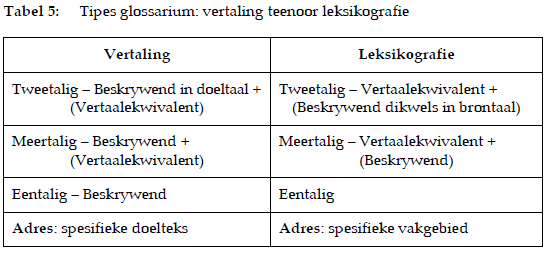
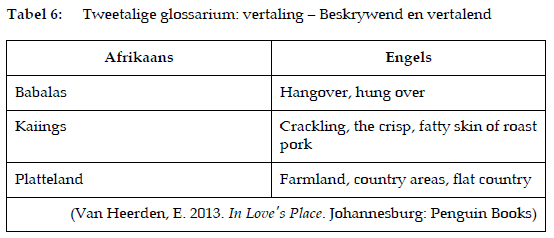
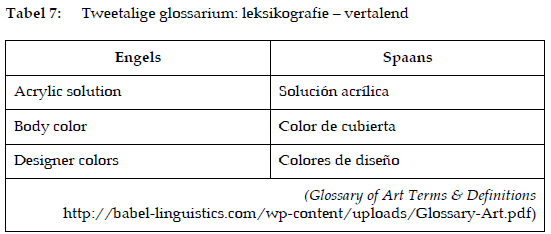
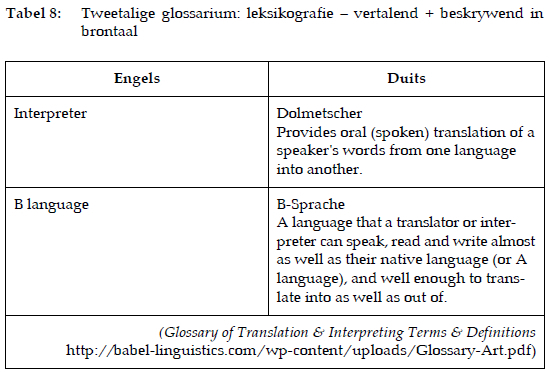
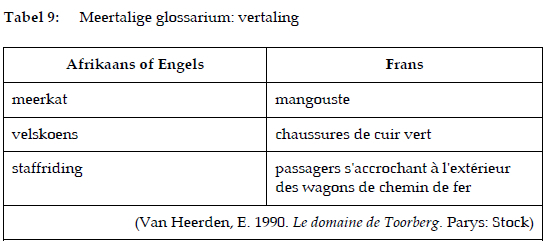
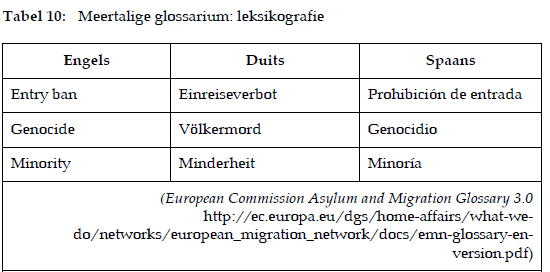
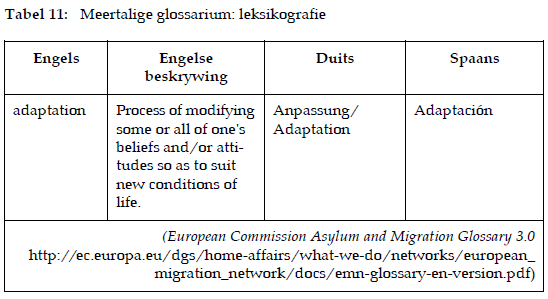
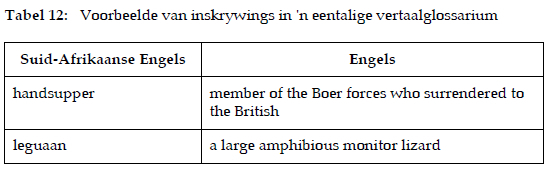
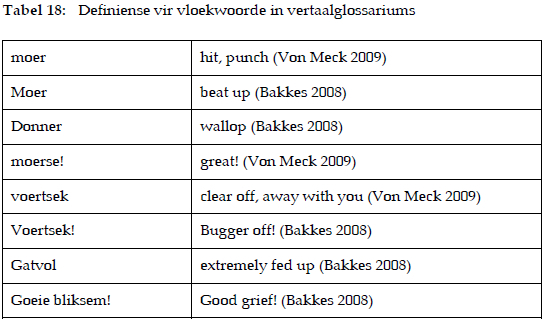
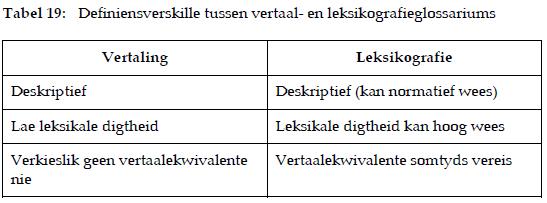
The term glossary appears inter alia in both translation and lexicography with what looks like different applications: for translation - a list of words added to the target text by the translator; for lexicography - a type of dictionary or reference work. It seems that the term more frequently occurs in the metalanguage of both practical (literary) translation and lexicography than in the metalanguage of translation studies and lexicographic theory. In both cases however the term is used in a less coherent, less uniform and more fuzzy way, than would be expected from a term used in a scientific discipline. In this article I will try to distinguish the diverse applications of the term glossary in a systematic way since it might be impossible to define glossary unambiguously. I will start off by unpacking the extra-textual and textual features of the term glossary showing the differences and similarities as used in the fields of translation studies and metalexicography. The article will be more descriptive than normative, but suggests that the term glossary is reserved in translation and that the term specialised dictionary (monolingual, bilingual, multilingual) is used in the lexicographic field.
glossary; gloss; translation studies; meta-lexicography; (literary) translation; terminology; specialised dictionaries; textual; extra-textual; translation equivalent