Reconceptualising contemporary lexicography: emotional intelligence and the sustainable lexicographic modelling of the modal verb moći
Abstract
The article examines the modal verb moći ("can"/"to be able to") as described in dictionaries currently in active use within the Montenegrin linguistic context, with particular emphasis on its significance in both digital and interpersonal communication in contemporary language. Building upon the foundational ideas of the lexicographic project Algemeen Nederlands Woordenboek (ANW) (Fuertes-Olivera 2024, following Colman 2016), the authors propose that the analysis and description of lexical units - described on the example of this particular modal verb - should be preceded by a comprehensive analysis in the domain of the emotional impact on interlocutors during conversation. This approach would influence the development of dictionaries that go beyond simply defining lexical units in various contexts. Instead, they would offer guidance on using words in emotionally calibrated communication to effectively convey and elicit the intended emotional impact within a given context. Thus, the aim of this paper is to highlight the importance of emotional intelligence and regulation through the example of the modal verb moći, and to offer recommendations for more effective management of emotional tone across diverse communicative environments. In this context, contemporary dictionaries would play a pivotal role in enhancing the quality and effectiveness of communication, not only by offering precise semantic distinctions, but also by incorporating pragmatic and affective guidance, thereby ensuring that lexicography remains a sustainable and socially responsive discipline. This multidimensionality demands not only lexical precision but also contextual thoughtfulness and emotional attunement to achieve communicative effectiveness, making lexicography a sustainable discipline that remains at the heart of all linguistic research, where it rightfully belongs.
lexicography; modal verbs; digital communication; dictionaries; emotional intelligence; discourse analysis
Abstract
Hierdie artikel ondersoek die modale werkwoord moći ("kan"/ "om in staat te wees tot") soos dit beskryf word in woordeboeke wat tans aktief binne die Montenegrynse linguistiese konteks gebruik word, met spesifieke klem op die belang daarvan in beide die digitale en interpersoonlike kommunikasie in kontemporêre taalgebruik. Deur voort te bou op die fundamentele idees van die leksikografiese projek Algemeen Nederlands Woordenboek (ANW) (Fuertes-Olivera 2024, in navolging van Colman 2016), stel die outeurs voor dat die analise en beskrywing van leksikale eenhede - soos beskryf met hierdie spesifieke modale werkwoord as voorbeeld - voorafgegaan moet word deur 'n omvattende analise van die domein van die emosionele impak op gespreksgenote tydens 'n gesprek. Hierdie benadering sal die ontwikkeling van woordeboeke wat wyer strek as slegs die definiëring van leksikale eenhede in verskillende kontekste, beïnvloed. In plaas daarvan sal hulle leiding bied in die gebruik van woorde in emosioneel gekalibreerde kommunikasie om die beoogde emosionele impak effektief binne 'n gegewe konteks oor te dra en te ontlok. Die doel van hierdie artikel is dus om die belangrikheid van emosionele intelligensie en die regulering daarvan aan die hand van die modale werkwoord moći as voorbeeld te belig, en om aanbevelings vir die effektiewer bestuur van emosionele toon oor diverse kommunikatiewe omgewings te maak. Binne hierdie konteks sal kontemporêre woordeboeke 'n sentrale rol in die verbetering van die kwaliteit en effektiwiteit van kommunikasie speel, nie net deur eksakte semantiese onderskeidings aan te bied nie, maar ook deur die inkorporering van pragmatiese en affektiewe leiding, om sodoende te verseker dat die leksikografie 'n volhoubare en sosiaal reaktiewe dissipline bly. Hierdie multidimensionaliteit vereis nie net leksikale presisie nie, maar ook kontekstuele bedagsaamheid en emosionele aanvoeling om kommunikatiewe effektiwiteit te bereik, om die leksikografie 'n volhoubare dissipline te maak wat steeds die kern van alle linguistiese navorsing vorm, waar dit regmatig hoort.
leksikografie; modale werkwoorde; digitale kommunikasie; woordeboeke; emosionele intelligensie; diskoersanalise
1. Introduction
The objective of this article is to identify the ways in which the modal verb moći ("can"/"to be able to") is described in dictionaries currently in active use within the Montenegrin-speaking region, with a particular focus on the role this modal plays in both digital and interpersonal communication among speakers of contemporary language. Drawing on the core ideas of the Algemeen Nederlands Woordenboek (ANW) lexicographic project (Fuertes-Olivera 2024, following Colman 2016), the findings of this study suggest that the analysis and description of lexical units - specifically, the modal verb moći - should be preceded by research concerning their emotional impact on speakers. Such an approach would carry important implications for the development of dictionaries that not only describe the contemporary language but also offer practical recommendations for the use of a particular lexical unit in present-day communication. The case study carried out for the purpose of this article was perceived as an opportunity to illustrate how modern lexicography must move beyond static definitions and instead grapple with meaning as a dynamic interplay of sense, affect, and intersubjective relation within a given context. Therefore, the objective of the research was not solely to ascertain what this modal means, but to explore how it is felt - to trace the contours of its experiential resonance in lived language. Consequently, lexicography could evolve into a richer and more sustainable resource - one that not only explains word meanings but also supports users in understanding the emotional resonance of words in communicative contexts. This would enable more effective and responsible language use. The aim of this paper is to shed light on the role of the modal verb moći in emotional regulation and to provide recommendations for more effective management of emotional tone across various communicative environments, where contemporary dictionaries are expected to be of central importance in enhancing the quality and efficiency of communication.
Data obtained through both qualitative and quantitative analysis provided insights into the ways speakers of different age groups use the modal verb moći to shape emotional tones, with the aim of identifying its connotative meanings and pragmatic functions within various discourses. The results may significantly contribute to the development of contemporary language dictionaries and handbooks by offering more precise definitions and usage examples that illuminate how modal verbs and modalized expressions are used to either soften or intensify emotional responses in communication. This emphasis on documenting and further analyzing linguistic forms within a lexicographic framework will support the advancement of dictionary resources, laying the groundwork not only for the creation of more comprehensive dictionaries but also for handbooks that could play a notable role in media literacy. Such resources would be of particular value to speakers of all ages, especially in contemporary communication contexts - often written and emotionally charged - where individuals may feel vulnerable.
We align ourselves with linguists such as Šubarić and Đurčević (2023) and Nenezić (2024), who note that scholars like Apresjan (2010) and Topolinjska (2002: 33) emphasize the necessity of mutual coherence in terms of both content and data collection methods. This kind of integration presupposes close collaboration among authors, grounded in shared theoretical foundations and the consistent application of principles of "identification, classification, and interpretation of linguistic units" (ibid.). However, as Topolinjska (2002: 33) and Bartsch (1987) observe, such interdisciplinary coherence remains rare in linguistic practice. Therefore, the aim of this paper is to demonstrate that the expanded interpretation not only of modal verbs and modalized expressions, but of all lexical units, could significantly assist contemporary language users - regardless of whether the language is their mother tongue - in using it in a more deliberate and emotionally responsible manner.
2. The concept of contemporary lexicography and an integrated database
Since the 1990s, linguists have increasingly advocated for a model of lexicography that extends beyond traditional descriptive language analysis, arguing that its development must adopt an interdisciplinary approach - incorporating insights from psychology, sociology, and cognitive science. Sinclair (1991) emphasized the need to link semantics with cognitive aspects rooted in cultural studies, while Anna Wierzbicka (1992) went a step further by exploring universal linguistic concepts, considering them essential for a deeper understanding of language. Her perspective appears to align with that of Geeraerts (2010), whose research on word meaning - with particular focus on cognitive and cultural contexts - presents an integrated approach to lexicology as not only logical but also inevitable and necessary.
In this context, a significant contribution comes from Fuertes-Olivera (2024) in his work Making Lexicography Sustainable: Using ChatGPT and Reusing Data for Lexicographic Purposes, where he argues that
we must go beyond the language-centered lexicographic tradition that dominates current thinking and focus instead on new thinking centered on increasing lexicographic productivity and using technologies that (a) adopt a broad concept of lexicographic data, (b) speed up the lexicographic process, (c) save time and reduce costs, (d) facilitate direct cognitive processing, e.g. by machines, and (e) allow the individualization of data as units of consumption and sale. In particular, we must critically examine the benefits and drawbacks of the different practices on offer. (Fuertes-Olivera 2024: 140)
The author grounds his innovative ideas in the work of Chomsky et al. (2023), Colman (2016), and De Schryver (2023), offering a fresh perspective on lexicography by approaching it as a modern scientific discipline. Although still evolving, lexicography is envisioned here as a field that must serve the needs of contemporary language users. It is upon these foundational claims that we base the present study.
One of the potential aims of modern lexicography could be the development of integrated and interactive databases that include lexical units enriched with information about their emotional and contextual appropriateness. Such databases would not merely identify the semantic meanings of lexical items, but would also enable users to understand not only the contextual framework traditionally provided in dictionary entries, but also the emotional tone associated with particular expressions. This emotional nuance - especially shaped by modalized expressions and lexical choices - can significantly influence how an interlocutor interprets a given message, often in subtle and highly context-dependent ways.
3. Understanding words and their impact in the communication process
Given that the Latin root of the word communicare means "to transmit" or "to share," it can be said that every spoken word has the potential not only to convey information but also to transmit emotion and provoke a broad spectrum of emotional reactions in the interlocutor. These reactions largely depend on the context of use, tone of speech, and a broader framework of cultural, social, and psychological factors (Calvo and D'Mello 2010; Hall 1976; Tubbs 2012; Van Dijk 2008, 2009). Taking into account the findings of Anna Wierzbicka (1999), who argues that language is not merely a neutral carrier of meaning but reflects culture-specific patterns tied to speakers' emotional perceptions, it becomes evident that the complex dynamics of communication must inevitably influence the lexicographic practice of a language, which should follow the evolution of that language.
This argument is further supported by more recent research (Pavlenko 2014; Mesquita et al. 2021), proving that languages structure emotional expressions in different ways that may either facilitate or hinder intercultural understanding. Lexicography, therefore, deserves particular attention in the process of language description, as it is not only a discipline that documents linguistic resources but also one that shapes the full perception of word meanings and their usage in everyday life (Jackson 2002; Poria et al. 2017; Van Sterkenburg 2003).
Given the increasingly complex needs of contemporary language users - particularly due to the dominance of virtual communication channels - modern sustainable lexicography should provide additional insights into the semantic nuances that determine the emotional impact of a lexeme on both the speaker and the interlocutor. In this light, dictionaries should serve not only as tools for communication but also as instruments for shaping the emotional and cultural norms of a language community.
The process of assigning meaning and definitions to specific lexical units should be preceded by an in-depth analysis of lexicographic choices made by native speakers of the language. This includes not only how certain terms have developed through historical and cultural interactions within specific usage patterns, as emphasized by Hanks (2013), but also a more profound understanding of their emotional effects on interlocutors in modern usage. One such analysis is offered in this paper. Thus, contemporary lexicography should contribute to understanding how specific lexemes elicit positive, negative, or neutral reactions among speakers of different languages. In this way, dictionary users - both non-native speakers and those seeking more appropriate expressions in various communicative contexts - would receive comprehensive information about the meaning and emotional weight of the lexemes they intend to use.
As suggested by Lazarus (1991), emotions are directly and inseparably linked to cognitive evaluations of situations. Words, as carriers of meaning, therefore have the potential to act as triggers for different emotional responses. These insights are further developed within the framework of modern digital communication, which is predominantly written and highlights the need for a new perspective on lexicography - one that adapts to the requirements of contemporary speakers.
Currently available dictionaries for Serbian and Montenegrin speakers tend to treat lexemes at a general and basic contextual level. We believe it is important to explain the contexts in which certain words are used, the communicative intentions behind them, and the ways in which they can alter the emotional dynamics of communication. It is well known that a word can have a neutral meaning in one context but take on strong emotional significance in another, and that very few lexemes in dictionaries are described with only a single definition. Typically, such words belong to invariable parts of speech1.
Contemporary technologies have created ideal conditions for making lexicography sustainable by enriching it with interactive elements such as audiovisual content, which would help speakers find the most appropriate terms for a given situation. To become sustainable, lexicography should expand through such interactive elements - for instance, audio-visual recordings that illustrate how words sound in different emotional tones and scenarios. This would enable dictionary users to better understand the emotional weight of words.
When designed in this way, a modern dictionary becomes a handbook containing recommendations for the application of specific lexical items, serving the needs of modern society - not only for those who are non-native speakers but also for native speakers uncertain about how to fine-tune their expressions, whether in everyday communication or in situations requiring particular verbal caution.
4. Modal verbs, modalized expressions, and emotional intelligence
The primary function of language is to serve as a medium through which human beings - as inherently communicative creatures - connect with others. This connection occurs through the reception or transmission of messages, either with or without conscious intent, and these messages are often processed emotionally by the receiver. The ability to regulate emotions by understanding how one's language affects others falls within the domain of emotional intelligence, a concept foundationally developed by Daniel Goleman (1995). Often considered more crucial than traditional intellectual competence, emotional intelligence is seen as essential to both the cognitive and communicative capacities of a language user (Mayer et al. 2008). Emotions are channeled through language, resulting in the formation of positive interpersonal relationships among speakers of a given language (Petrides and Furnham 2001).
Consequently, research into the emotions triggered by specific lexical items should be an integral part of contemporary lexicography. Such work would allow dictionaries to function as multifaceted linguistic handbooks, aligned with the fast-paced and emotionally nuanced demands of modern communication. Understanding the meaning of a modal verb and its full implications is inseparable from the context of emotional intelligence and the regulation of emotions - not only those of the speaker but also those of one or more interlocutors. Thus, modal verbs are seen as fundamentally significant in both linguistic and psychological analyses.
Perceived from this perspective, modal verbs are not only indicators of possibility, obligation, permission, or volition but also markers of emotional states. Their use reflects the speaker's ability to recognize and regulate emotions by selecting modal constructions with varying degrees of emotional intensity. Goleman (1995) defines emotional intelligence as the ability to identify, understand, and manage emotions. When considered alongside findings by Mayer et al. (2008) and Petrides and Furnham (2001), it becomes evident that a lexicographic approach to modal verbs must be a central component of sustainable, contemporary lexicography. In this sense, the intentional and strategic use of specific lexical items and expressions signifies a speaker's awareness of their own emotional states and their communicative impact on others.
Many linguists have studied the role of modal verbs in expressing beliefs, attitudes, and intentions, generally agreeing on their importance for conveying tonal nuance in specific contexts (Coates 1983; Goleman 1995; Hyland 1998; Palmer 2001). The speaker's decision to use a specific modal auxiliary not only conveys fine-grained semantic distinctions but also indirectly intensifies the emotional tone of the message, which is of great importance in shaping communicative strategies, whereby language can be rendered more or less polite (Trbojević-Milošević 2004; Milošević 2008; Mrdak-Mićović 2013, 2016). Hence, the phenomenon of linguistic emotional load is especially relevant and can be closely linked to the system of modal verbs. When combined with intonation and context, modals can enhance empathy or provoke resistance in the interlocutor (Bybee et al. 1994; Coates 1983; Lyons 1977; Palmer 2001). Since one of the fundamental tasks of lexicography is to map the dynamics of meaning, analyzing modal verbs can deepen our understanding of emotional tone in speech and support more effective management of social and professional interactions.
Modal verbs can, therefore, be seen as essential tools for mediating between the rational and emotional domains of human expression. They are particularly suitable for research of this kind, given the intrinsic link between language and the cultural and psychological aspects of human identity. Their multifaceted role in contemporary language - scientifically recognized - makes them versatile instruments: they may function as expressions of support and affirmation, or as imperatives, depending on the communicative context. Accordingly, a speaker can use them to convey a positive emotional tone or, conversely, to demand or prohibit something.
Understanding these subtleties is fundamental to the development of sustainable, modern lexicography. This discipline must be viewed not merely as an inseparable part of a language's cultural code and specificities but also as a valuable source of insight into the connotation, intonational profile, and affective dimension of not only modal verbs but lexical units more broadly. Such an approach would significantly contribute to a more effective understanding of the dynamics of emotion and communication among speakers of a given language, in today's globalized society - thereby fulfilling the fundamental mission of contemporary sustainable lexicography.
5. The modal verb moći in the Dictionary of the Serbian Language and the Encyclopedic English-Serbian Dictionary
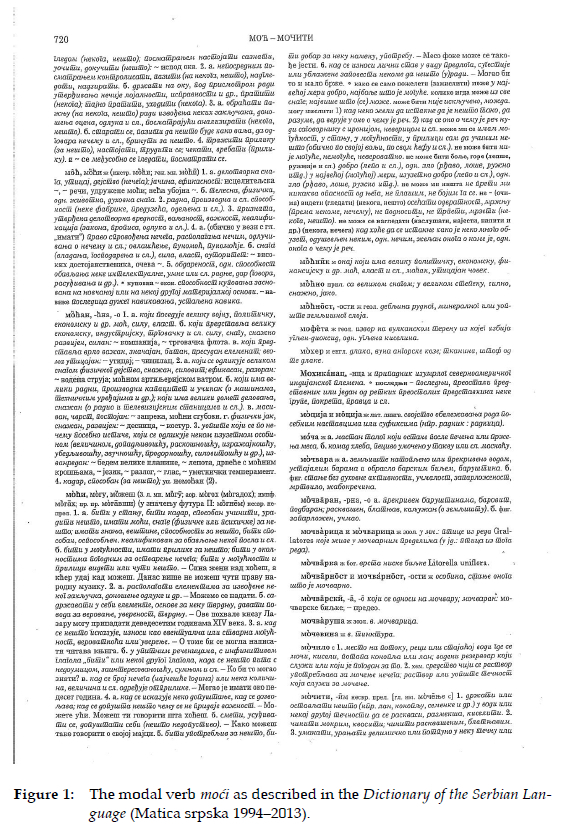
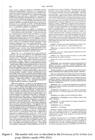
The Rečnik srpskog jezika (Dictionary of the Serbian Language), published by Matica srpska (1994-2013), has been, widely, regarded by leading scholars (Katičić 1987; Klajn 2005; Mrkić 2010; Radovanović 2000) as the principal lexicographic foundation of contemporary Serbian. It also represents a fundamental source for linguistic research focused on the structure and development of the Serbian language. This dictionary is a monolingual normative reference work intended primarily for native speakers, as explicitly stated in its preface, which defines its purpose as providing "an authoritative linguistic resource for the educated speaker" (Matica srpska 1994). Non-native speakers are not identified as part of the primary target audience, although the dictionary can be - and indeed sometimes is - used for language learning purposes, especially by advanced learners with high levels of language proficiency.
The Rečnik offers a comprehensive overview of lexical items, including in-depth semantic analyses and examples of usage across various contexts. The editors aim to encompass both archaic and contemporary forms, thereby granting users insight into the diachronic evolution of the lexicon, as well as its regional and dialectal variation.
Nevertheless, the practical usability of this dictionary is significantly limited by its lack of digital accessibility. The absence of searchable databases and interactive digital tools notably reduces its effectiveness for today's users - especially non-native speakers - who typically require fast, context-sensitive access to linguistic information (Atkins and Rundell 2008). Moreover, the descriptions of lexical entries - as well as of grammatical structures and idiomatic expressions - are often linguistically dense and syntactically complex, which can render the material inaccessible to a broader readership, including learners of Serbian as a foreign language.
From a methodological perspective, there remains considerable room for the improvement of lexicographic practice, particularly through the adoption of corpus-based approaches. Such methods must be both rigorous and aligned with current trends in language use in order to ensure the continued relevance of the dictionary in contemporary linguistic inquiry. As Kilgarriff and Tugwell (2001) emphasize, "a combination of significant patterns may lead to even greater precision in the identification of collocations," underscoring the importance of a systematic, corpus-driven approach to dictionary compilation and lexical description.
Within the Rečnik srpskog jezika, the modal verb moći is presented as a polysemous lexical item, encompassing a wide range of semantic nuances across both simple and complex syntactic structures. The lexicographers address epistemic, deontic, and dynamic modalities, while also attempting to distinguish between so-called "literary" and "contemporary" usage. It is important to clarify here that the term "literary" refers to the standardized, codified form of the language, rather than to the language of literary texts in the artistic sense (Kapetanović 2016).
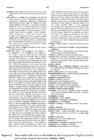
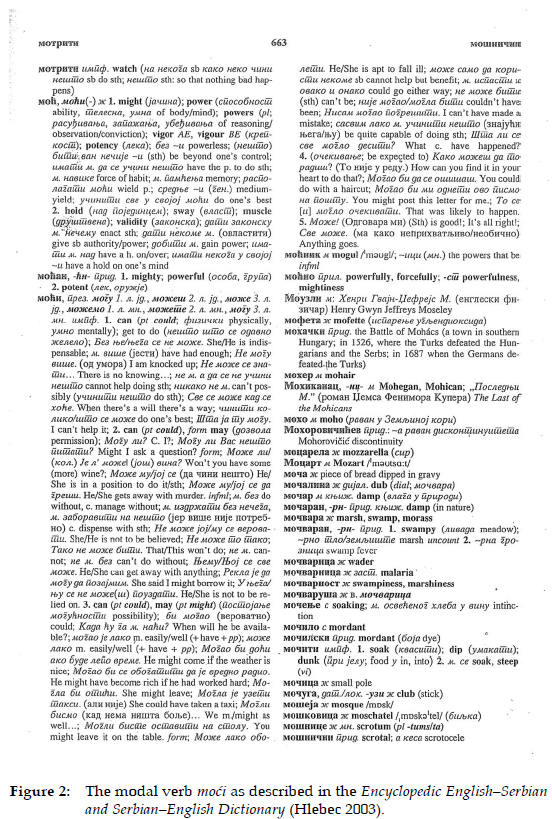
The Encyclopedic English-Serbian and Serbian-English Dictionary by Boris Hlebec (2003) represents one of the most significant bilingual dictionaries in the region. According to the author's preface, its intended audience includes both native speakers of Serbian learning English and English-speaking learners of Serbian. In terms of its scope and didactic intent, it may be reasonably compared to the Oxford Advanced Learner's Dictionary (Hornby et al. 2015).
Although the verb moći is treated in considerable semantic and stylistic detail, Hlebec's approach is grounded in traditional descriptive linguistics, without the incorporation of more recent pragmatic or corpus-informed methodologies, which, as Béjoint (2010) observes, are increasingly expected in contemporary lexicographic practice. This limits the dictionary's ability to reflect authentic usage patterns and real-world communicative contexts.
Modern dictionary users increasingly expect lexicographic descriptions to be rooted in authentic discourse and to reflect real-life language usage, especially in the domain of collocations and pragmatic connotations (Hanks 2013). In this respect, Hlebec's treatment of idiomatic expressions frequently lacks consistency with current usage in either English or Serbian, which may lead to misinterpretation and reduced pedagogical value. Thus, the modernization of dictionaries that seek academic and educational relevance is not merely desirable but essential. The integration of corpus-based, multimedia-enhanced, and emotionally and pragmatically contextualized lexical descriptions constitutes a critical imperative for contemporary, sustainable lexicography (Béjoint 2010; Hanks 2013).
Contemporary native and non-native speakers alike increasingly require lexical resources that offer detailed, pragmatically oriented explanations - resources that function as practical guides across diverse communicative settings. Corpus-driven studies have confirmed that language users seek information not only about meaning and form but also about functional-pragmatic usage, including stylistic coloring and emotional resonance of expressions (Atkins and Rundell 2008; Hanks 2013; Tognini-Bonelli 2001). In addition, the inclusion of multimedia content - such as audio recordings and visual examples - could significantly enhance user comprehension and application of target lexical items. Of particular importance is the need to indicate contextual appropriateness, the emotional impact certain modal verbs may have on interlocutors, and the types of emotional cues that may trigger their use in discourse.
In the broader context of contemporary lexicography, the findings of Kilgarriff and Tugwell (2001) regarding the systematic identification of collocations via corpus analysis may be viewed as emblematic of a broader trend: the need for lexicographic descriptions to be grounded in empirical, statistically-supported analysis of actual language use. While their study is focused on specific computational tools such as Word Sketch, its implications extend to the general methodological framework of modern lexicography, which strives for greater semantic precision, pragmatic relevance, and contextual richness. Such demands are particularly evident in relation to the needs of today's language users - both native and non-native - who seek nuanced, usage-sensitive lexical guidance. This is consistently demonstrated in corpus-based research (Atkins and Rundell 2008; Tognini-Bonelli 2001; Hanks 2013), which underscores the importance of descriptive accuracy, frequency data, and situational appropriateness. Moreover, the integration of multimodal elements - including sound and image - has become an indispensable feature of modern dictionary resources. These additions support a multilayered understanding of word meaning and function. Special attention should be given to the pragmatic functions and emotional valence of expressions - particularly modal verbs, which not only reflect the speaker's stance but also shape the interpretation of meaning in interaction. In this light, pilot studies offer valuable insights into the future development of digitally-oriented, corpus-supported lexicographic practice, regardless of language or target audience. This is precisely where the present study contributes. The modal verb moći proves to be especially representative and lexically transparent, as it captures with unique sensitivity a range of meanings associated with possibility, permission, ability, and subjective disposition. In this sense, moći serves as an ideal lens for examining the conceptual layering of language through the prism of emotional and pragmatic competence. By analyzing its frequency, syntagmatic behavior, and functional distribution, we can most clearly illustrate a central proposition of this study: that emotional intelligence is inseparable from modern lexicographic reflection, and that it must be recognized as a key category in the interpretation of meaning within the digital linguistic environment.
6. Research
The research was designed to identify the degree of emotional intensity and perception of the modal verb moći concerning the parameters of gender, age group, and place of residence among speakers from four distinct age groups in urbanized and peripheral areas of Montenegro.
A total of 684 respondents participated in the study, with the sample stratified according to key sociodemographic parameters. Gender representation was approximately equal, and the age groups were delineated as follows:
- Children and adolescents (12-18 years): 163 respondents2
- Adults (19-40 years): 176 respondents
- Older adults (41-65 years): 170 respondents
- Seniors (66+ years): 175 respondents
Age is a particularly salient variable in sociolinguistic and lexicographic research, as it correlates with language change, lexical innovation, and varying degrees of linguistic conservatism (Eckert 1997; Trudgill 1986). Tracking responses across age cohorts enables the identification of diachronic shifts in verb perception and modality usage, which are often generationally mediated. Equally important is the inclusion of participants' place of residence. Of the total sample, 348 respondents were from urban centers (e.g., Podgorica, Nikšić, Herceg Novi), while 336 resided in rural communities. Urban-rural distinctions are known to correspond with variation in lexical choices, linguistic prestige norms, and exposure to standardized versus dialectal forms (Milroy and Milroy 1985; Chambers and Trudgill 1998). The careful balance between urban and rural dwellers in the present study strengthens the ecological validity of the findings and supports more nuanced sociolinguistic inferences regarding the usage and perception of moći. However, it would be both insightful and methodologically sound to incorporate data on the educational background of participants, therefore, it may, nonetheless, contribute meaningfully to broader, multi-dimensional investigations of lexical perception. The level of formal education has been shown to significantly affect language awareness, metalinguistic ability, and lexical sensitivity (Labov 2006; Biber and Finegan 1994). Including this variable would enhance the interpretative depth of the study and allow for a more granular analysis of perceptual variation in relation to the verb moći. Education not only shapes language production and comprehension but also influences attitudes toward linguistic norms and usage, particularly in sociolinguistically sensitive domains. Furthermore, the integration of educational attainment, age distribution, and dwelling type constitutes a methodologically sound framework for interpreting variation in lexical perception. This triangulated demographic approach reflects best practices in contemporary sociolinguistic research, where intersecting social variables are recognized as co-constructors of linguistic behavior (Tagliamonte 2006; Chambers 2009). In lexicographic studies, such multidimensional profiling enables more accurate mapping of lexical variation and semantic interpretation across speaker populations (Atkins and Rundell 2008; Svensén 2009). These parameters - education, age, and place of residence - have been repeatedly shown to influence language usage patterns, lexical frequency, and the social indexing of meaning (Labov 2001; Aitchison 2012), and their combined inclusion enhances both the validity and interpretability of the findings. The study employed a mixed-methods approach, incorporating both structured questionnaires and in-depth interviews to generate comprehensive quantitative and qualitative data.
The in-depth interviews, conducted in Montenegrin, were designed to supplement the structured questionnaire by eliciting richer, context-sensitive interpretations of the verb moći, particularly in emotionally charged or socially complex scenarios. The goal was to explore participants' subjective emotional responses as well as pragmatic interpretations beyond the limitations of fixed-response items. The interviews employed a semi-structured format, a method widely recognized in qualitative sociolinguistic research for its flexibility and depth (Kvale 1996; Brinkmann and Kvale 2015). While the interviews were guided by a set of predetermined open-ended questions, the format allowed for follow-up prompts and elaboration depending on each respondent's responses. This method enabled the researcher to probe into nuanced emotional and contextual associations with the modal verb moći, especially regarding social hierarchies and speaker-hearer relationships.
Examples of the open-ended questions included:
- What emotions does the verb 'mo ć i' evoke when it implies obligation or permission?
- How do your emotions change depending on who uses the verb - a friend, stranger, or authority figure?
- How do you interpret the phrase 'It could be better' during difficult times - as comforting or frustrating?
- When you hear 'Can you finish this?' do you experience pressure, politeness, or neutrality?
The respondents answered orally in the presence of the researcher, who recorded all sessions using digital audio equipment to ensure accuracy and reduce the potential for interpretive bias during note-taking. These recordings were later fully transcribed verbatim for qualitative analysis. This procedure aligns with standard best practices in linguistic fieldwork and discourse analysis (Duranti 1997; Johnstone 2000). The language of all interviews was Montenegrin, maintaining consistency with the language used in the questionnaire and ensuring that participants could express their emotions and interpretations in their native or most comfortable linguistic register. This linguistic consistency is critical for maintaining emotional validity and preventing translation-related semantic distortions, especially in studies focusing on emotionally loaded lexical items (Pavlenko 2005).
The transcribed interviews were subjected to thematic coding, using a grounded theory approach (Glaser and Strauss 1967; Charmaz 2006) to identify recurring emotional and pragmatic themes. Codes were derived inductively from the data and subsequently grouped into broader categories (e.g., social distance, modality intensity, emotional ambiguity). This allowed for systematic comparison across demographic groups and linkage to the quantitative findings. The interview data played a crucial role in triangulating the quantitative results, deepening insights into statistically significant emotional patterns that emerged from the questionnaire analysis. For instance, where ANOVA tests revealed generational differences in the perception of moći as empowering or pressuring, interview data contextualized these findings by illustrating how seniors associated the verb with obligation under authority, while younger respondents often linked it to agency and possibility.
7. Discussion
Aiming to assess the sociolinguistic dynamics underlying the perception of the modal verb moći, the analysis considers both demographic variables and age-based cohort distinctions. The following section presents quantitative findings that illuminate how emotional associations with moći vary systematically across generational groups and residential contexts, revealing patterns shaped by psychosocial and cognitive dimensions of language processing.
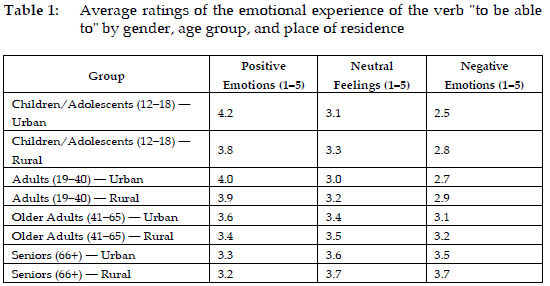
Quantitative findings indicate that positive emotional associations with moćiare strongest among younger urban participants, particularly adolescents, whereas these associations diminish with age and rural residency. Conversely, negative connotations increase notably among older rural participants, likely reflecting decreased agency and autonomy, consistent with Charles and Carstensen (2010). The pattern also supports Đorđević et al. (2018) and Isaacowitz and Blanchard-Fields (2012) who emphasized sociopsychological influences on language processing.
The table presents the average ratings of the emotional experience associated with the verb moći based on gender, age group, and place of residence, highlighting significant variations across groups. In general, positive emotions are more pronounced among younger participants, with children and adolescents from urban areas providing the highest ratings (4.2). As age increases, the intensity of positive affective responses decreases, particularly among seniors in rural areas (3.2). Neutral feelings show a slight tendency to increase with age, which may suggest an increased cognitive divergence from the meaning of the verb in line with previous studies indicating changes in emotional interpretation and experience of this modal verb over the years. Negative emotions are most pronounced among older groups, with seniors in rural areas reporting the highest levels of negative emotional experience (3.7). This finding aligns with research indicating a decline in the perception of control and autonomy in later life, as well as changes in emotional regulation and interactions during the later stages of life (Charles and Carstensen 2010). These results point to the complex interaction between age, place of residence, and emotional experience of modal constructions, which may have implications for linguistic and psychological models of language interpretation in different demographic groups. This finding is supported by the work of Đorđević et al. (2018) and Isaacowitz and Blanchard-Fields (2012), who emphasize the importance of understanding emotions and language in relation to sociological and psychological variables.
The thematic analysis of interview data reveals generational variation in emotional conceptualization of moći. For children and adolescents, the verb is primarily linked with freedom, choice, and personal growth - consistent with the tenets of Self-Determination Theory (Ryan and Deci 2000), which underscore autonomy and competence as key motivational factors. Among adults, urban participants interpret moći as representing opportunity and active decision-making, often in professional and social contexts. This underscores the perceived autonomy embedded in urban life, aligning with Inglehart and Welzel's (2005) view of modern societies as participation-oriented. In contrast, rural adults more frequently associate moći with social norms and obligation, highlighting how community structures and spatial context shape linguistic interpretation.
The senior respondents overwhelmingly perceive moći in terms of constraint and limitation, often attributing this to declining health or social influence. This reflects Baltes and Baltes' (1990) model of selective optimization with compensation, as well as Lachman and Weaver (1998), who associate diminished control with lower emotional well-being. Therefore, the responses from the thematic questionnaire indicate generational differences in the emotional and conceptual experience of the verb "to be able to," reflecting deeper sociocultural and psychological variations in how participants perceive this modal verb. Among children and adolescents, this verb is predominantly associated with freedom, opportunities, and possibilities, which points to the developmental aspect of personal autonomy and exploration of the world. According to Ryan and Deci's (2000) Self-Determination Theory, the perception of power among young individuals is determined by the level to which their basic psychological needs - autonomy, competence, and relatedness - are satisfied or upset in a particular social environment. It is both encouraging and expected that this age group perceives the verb through a positive lens, focused on the opportunities available to them in the contexts of education, social interactions, and independent decision-making.
Regarding adult participants, the research findings suggest that differentiation is observed depending on the participants' place of residence. Similar to younger participants, adults predominantly associate the verb "to be able to" regarding the concept of decision-making, which can be understood as the perception of a broader spectrum of opportunities offered by urban living, encompassing social, professional, educational, and, broadly speaking, the quality of life in modern society. Conversely, participants from rural areas associated the verb in accordance with the idea of permission or obligation, suggesting that individual autonomy is more frequently linked to social norms and collective responsibilities. This aligns with research on the differences in the perception of freedom depending on the social and spatial context (Inglehart and Welzel 2005). According to these authors, the concept of power is dynamic, and in modern, developed societies, it is more closely linked to the idea of participation rather than control. Therefore, the results from this part of the study reveal a clear connection to the findings of Ryan and Deci (2000), as well as Inglehart and Welzel (2005), since the social context is considered the most significant factor in shaping or undermining common-sense thinking, a sense of security, and motivation.
As anticipated, taking into account previous theories and the findings of Baltes and Baltes (1990), who define the model of selective optimization with compensation, which also reflects a sense of reduced control over life and abilities, the oldest group of participants predominantly associated this modal verb with limitations, often related to health issues. These findings align with those of Lachman and Weaver (1998), who argue that the reduced perception of control among seniors regarding their own lives directly affects their decreased sense of well-being and emotional regulation in this age group.
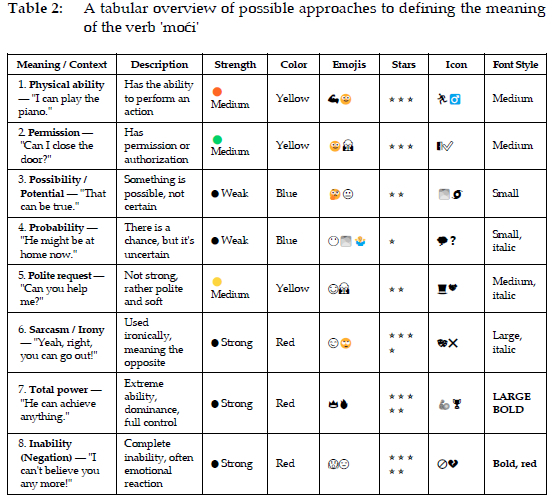
The modal verb moći ("to be able to" and "to have to") is used in this article as a representative model to illustrate the imperative of integrating emotional intelligence as a significant parameter in contemporary lexicographic practice and in the semantic framing of lexemes. Through an analysis of its treatment in dictionaries still widely used within the Montenegrin linguistic context, this study underscores the necessity of incorporating emotional and pragmatic markers into modern lexicographic methodologies. This would be a significant step toward making contemporary lexicography sustainable and aligned with the needs and expectations of both native and non-native speakers. Our research, which investigates the emotional impact of these verbs on interlocutors and the emotions that trigger their usage, suggests that emotional annotations should be integrated into modern dictionaries, a step toward improving both their relevance and practical usage. Therefore, each lexical unit should be examined in the manner we proposed, and after thorough research, it should be marked accordingly, as emotional perception can strongly influence both the speaker and the recipient. This marking could be achieved through the use of color, indicating the average emotional intensity based on research findings. We suggest employing a traffic light method, utilizing three basic colors to denote the emotional intensity of a particular lexeme, thus providing a warning or encouragement for its use in a specific context. The use of visual symbols, such as emoticons, to represent emotional connotation would facilitate intuitive recognition of the dominant emotions associated with a specific lexical item. In addition, numerical scales of emotional intensity could be applied to indicate the average emotional strength of a lexeme or expression, based on research, or alternatively, comments could be offered within definitions.
Furthermore, the contextual notes should inevitably accompany those related to age groups, specifically the age of the speaker or interlocutor to whom a certain form is addressed, as this would provide additional clarification when defining particular expressions. Given that emotions in academic sources are recognized as fundamental not only in the experience of the world but also in its description, the accurately defined connotations of lexemes would significantly contribute to better pragmatic and intercultural language competence, which is the core idea behind contemporary sustainable lexicography. Therefore, we believe that modern lexicography should not be merely a descriptive linguistic discipline. To remain relevant and sustainable, it must integrate emotional factors that influence language use. In this way, dictionaries become important emotional and cognitive tools for both native and non-native speakers, helping them to better understand each other.
8. Conclusions
Artificial intelligence has long been taking over many areas of human activity, and one of an eminent field of scholarly investigation, in which its influence is felt is the area of education, learning, and foreign language teaching. Therefore, modern lexicography must keep up with contemporary trends and the evolving needs of individuals in modern contexts, who are accustomed to receiving information quickly and accurately. The establishment of contemporary online dictionaries requires thorough work, but once they are finalized, they will be of real benefit to speakers worldwide. Lexicography developed in this way will be sustainable, used not merely as a repository of linguistic information, but also as a dynamic and inclusive tool that reflects cultural diversity, and fosters global understanding - making it a truly irreplaceable resource for humanity in the fullest sense. Therefore the aim of the present research is to serve as a pilot study, or more precisely, a case study focusing on one highly frequent modal verb present in both language systems. By examining this lexical item in detail, the study seeks to illustrate a possible approach to how such units can be represented in modern lexicographic resources. The intention is for this case to exemplify a broader methodology - one that we suggest could meet the evolving needs of dictionary users by offering more contextually and functionally informed entries.
9. Endnotes
1 Invariable parts of speech are lexical categories whose members do not undergo inflectional changes. Unlike variable word classes such as nouns or verbs, invariable categories (e.g., prepositions, conjunctions, adverbs, and interjections) maintain a fixed morphological form regardless of grammatical context. Their syntactic and semantic roles are determined by position and usage within the sentence, rather than by morphological variation (Huddleston and Pullum 2002).
2 Authors' note: The term youngest cohort refers specifically to participants aged 12 to 14, who were distinguished from the broader 12-18 age group based on developmental considerations. Age was indeed used as a criterion, informed by research in sociolinguistics and educational psychology that emphasizes significant differences in linguistic awareness and cognitive processing between early adolescents (12-14) and older teenagers (15-18) (cf. Vygotsky 1978; Eckert 2000). Accordingly, the adapted version of the questionnaire - with simplified phrasing and reduced metalinguistic load - was administered only to the 12-14 subgroup, ensuring that the instrument remained cognitively and linguistically appropriate for their developmental stage. Participants aged 15-18 received the standard version, as preliminary piloting showed that they were capable of engaging with the full set of items without confusion or fatigue.
References
- Aitchison, J. 2012. Words in the Mind: An Introduction to the Mental Lexicon. Fourth edition. Oxford: Wiley-Blackwell.
- Apresjan, J.D. 2010. Prospekt aktivnogo slovarja russkogo jazyka. Moskva: Jazyki slavjanskih kultur.
- Atkins, B.T.S. and M. Rundell. 2008. The Oxford Guide to Practical Lexicography. Oxford: Oxford University Press.
- Bartsch, R. 1987. Norms of Language: Theoretical and Practical Aspects. London/New York: Longman.
- Béjoint, H. 2010. The Lexicography of English: From Origins to Present. Oxford/New York: Oxford University Press.
- Biber, D. and E. Finegan (Eds.). 1994. Sociolinguistic Perspectives on Register. Oxford/New York: Oxford University Press.
- Brinkmann, S. and S. Kvale. 2015. InterViews: Learning the Craft of Qualitative Research Interviewing. Third edition. Thousand Oaks, CA: SAGE.
- Bybee, J., R. Perkins and W. Pagliuca. 1994. The Evolution of Grammar: Tense, Aspect, and Modality in the Languages of the World. Chicago: University of Chicago Press.
- Calvo, R.A. and S. D'Mello. 2010. Affect Detection: An Interdisciplinary Review of Models, Methods, and Their Applications. IEEE Transactions on Affective Computing 1(1): 18-37.
- Chambers, J.K. 2009. Sociolinguistic Theory: Linguistic Variation and Its Social Significance. Second revised edition. Chichester, UK/Malden, MA: Wiley-Blackwell.
- Chambers, J.K. and P. Trudgill. 1998. Dialectology. Cambridge: Cambridge University Press.
- Charles, S.T. and L.L. Carstensen. 2010. Social and Emotional Aging. Annual Review of Psychology 61: 383-409. https://doi.org/10.1146/annurev.psych.093008.100448
- Charmaz, K. 2006. Constructing Grounded Theory: A Practical Guide through Qualitative Analysis. London/ Thousand Oaks, California: SAGE.
- Chomsky, N., I. Roberts and J. Watumull. 2023. The False Promise of ChatGPT. The New York Times, 8 March 2023. https://www.nytimes.com/2023/03/08/opinion/noam-chomsky-chatgpt-ai.html
- Coates, J. 1983. The Semantics of the Modal Auxiliaries. London: Croom Helm.
- Colman, L. 2016. Sustainable Lexicography: Where To Go from Here with the ANW (Algemeen Nederlands Woordenboek, an Online General Language Dictionary of Contemporary Dutch)? International Journal of Lexicography 29(2): 139-155. https://doi.org/10.1093/ijl/ecw008
- De Schryver, G.-M. 2023. Generative AI and Lexicography: The Current State of the Art Using ChatGPT. International Journal of Lexicography 36(4): 355-387. https://doi.org/10.1093/ijl/ecad021
- Đorđević, D., et al. 2018. Narativizacija društvenih događaja u porodici: Analiza životnih prekretnica kod pripadnika tri generacije. Kvalitativna istraživanja u društvenim naukama: Od ličnog iskustva do socijalnih praksi. Beograd: Filozofski fakultet.
- Duranti, A. 1997. Linguistic Anthropology. Cambridge/New York Cambridge University Press.
- Eckert, P. 1997. Age as a Sociolinguistic Variable. Coulmas, F. 1997. The Handbook of Sociolinguistics: 151-167. Oxford: Blackwell.
- Eckert, P. 2000. Linguistic Variation as Social Practice: The Linguistic Construction of Identity in Belten High. Oxford: Blackwell.
- Fuertes-Olivera, P.A. 2024. Making Lexicography Sustainable: Using ChatGPT and Reusing Data for Lexicographic Purposes. Lexikos 34(1): 123-140. https://doi.org/10.5788/34-1-1883
- Geeraerts, D. 2010. Theories of Lexical Semantics. Oxford: Oxford University Press.
- Glaser, B. and A. Strauss. 1967. The Discovery of Grounded Theory: Strategies for Qualitative Research. New Brunswick/London: Aldine Transaction.
- Goleman, D. 1995. Emotional Intelligence: Why It Can Matter More than IQ. New York: Bantam Books.
- Hall, E.T. 1976. Beyond Culture. Garden City, New York: Anchor/Doubleday.
- Hanks, P. 2013. Lexical Analysis: Norms and Exploitations. Cambridge, Mass./London: MIT Press.
- Hlebec, B. 2003. Enciklopedijski englesko-srpski i srpsko-engleski rečnik. Beograd: Zavod za udžbenike i nastavna sredstva.
- Huddleston, R. and G.K. Pullum. 2002. The Cambridge Grammar of the English Language. Cambridge: Cambridge University Press.
- Hyland, K. 1998. Hedging in Scientific Research Articles. Amsterdam/Philadelphia: John Benjamins.
- Inglehart, R. and C. Welzel. 2005. Modernization, Cultural Change, and Democracy: The Human Development Sequence. Cambridge: New York: Cambridge University Press. https://doi.org/10.1017/CBO9780511790881
- Isaacowitz, D.M. and F. Blanchard-Fields. 2012. Linking Process and Outcome in the Study of Emotion and Aging. Perspectives on Psychological Science 7(1): 3-17.
- Johnstone, B. 2000. Qualitative Methods in Sociolinguistics. Oxford/New York: Oxford University Press.
- Kapetanović, A. 2016. Standardni jezik i književna norma. Zagreb: Institut za jezik.
- Kilgarriff, A. and D. Tugwell. 2001. WORD SKETCH: Extraction and Display of Significant Collocations for Lexicography. Workshop Proceedings. COLLOCATION: Computational Extraction, Analysis and Exploitation (39th Annual Meeting of the Association for Computational Linguistics and 10th Conference of the European Chapter of the Association for Computational Linguistics, Toulouse, 7 July 2001): 32-38.
- Kvale, S. 1996. InterViews: An Introduction to Qualitative Research Interviewing. London/Thousand Oaks, California: SAGE.
- Labov, W. 2001. Principles of Linguistic Change. Volume 2: Social Factors. Malden, MA: Blackwell.
- Labov, W. 2006. The Social Stratification of English in New York City. Second edition. Cambridge: Cambridge University Press.
- Lachman, M.E. and S.L. Weaver. 1998. The Sense of Control as a Moderator of Social Class Differences in Health and Well-being. Journal of Personality and Social Psychology 74(3): 763-773. https://doi.org/10.1037/0022-3514.74.3.763
- Lazarus, R.S. 1991. Emotion and Adaptation. Oxford: Oxford University Press.
- Lyons, J. 1977. Semantics. Volume 2. Cambridge: Cambridge University Press.
- Matica srpska. (1994-2013). Rečnik srpskog jezika (Vols. 1-12). Novi Sad: Matica srpska.
- Mayer, J.D., P. Salovey and D.R. Caruso. 2008. Emotional Intelligence: New Ability or Eclectic Traits? American Psychologist 63(6): 503-517.
- Mesquita, B., J. de Leersnyder and M. Boiger. 2021. The Emotional Dynamics of Acculturation. Cambridge: Cambridge University Press.
- Milroy, J. and L. Milroy. 1985. Authority in Language: Investigating Standard English. London/New York: Routledge & Kegan Paul.
- Mrdak-Mićović, M. 2013. Sociolingvistički aspekti iskazivanja zahvaljivanja i čestitanja: Parametri regija i životna dob. Zbornik Matice srpske za filologiju i lingvistiku 59(1-2): 123-137.
- Mrdak-Mićović, M. 2016. Forme učtivosti u okviru govornog čina molbe u odnosu na parametre regija i starost u crnogorskom jeziku. Folia Linguistica et Litteraria 5(1): 45-58.
- Palmer, F.R. 2001. Mood and Modality. Second edition. Cambridge/New York: Cambridge University Press.
- Pavlenko, A. 2005. Emotions and Multilingualism. Cambridge/New York: Cambridge University Press.
- Pavlenko, A. 2014. The Bilingual Mind: And What It Tells Us About Language and Thought. Cambridge: Cambridge University Press.
- Petrides, K.V. and A. Furnham. 2001. Trait Emotional Intelligence: Psychometric Investigation with Reference to Established Trait Taxonomies. European Journal of Personality 15(6): 425-448. https://doi.org/10.1002/per.416
- Poria, S., E. Cambria, R. Bajpai and A. Hussain. 2017. A Review of Affective Computing: From Unimodal Analysis to Multimodal Fusion. Information Fusion 37: 98-125.
- Ryan, R.M. and E.L. Deci. 2000. Self-determination Theory and the Facilitation of Intrinsic Motivation, Social Development, and Well-being. American Psychologist 55(1): 68-78. https://doi.org/10.1037/0003-066X.55.1.68
- Sinclair, J. 1991. Corpus, Concordance, Collocation. Oxford: Oxford University Press.
- Šubarić, S. and J. Đurčević. 2023. The Names of the Balkan Peoples and the Names of the Inhabitants of Balkan Countries in Lexicography (on the Example of the Dictionary of Montenegrin National and Literary Language). Lexikos 33(1): 68-89. https://doi.org/10.5788/33-1-1797
- Tagliamonte, S.A. 2006. Analysing Sociolinguistic Variation. Cambridge: Cambridge University Press.
- Tognini-Bonelli, E. 2001. Corpus Linguistics at Work. Amsterdam/Philadelphia: John Benjamins.
- Topolinjska, Z. 2002. Šta tražim u rečniku? Deskriptivna leksikografija standardnog jezika i njene teorijske osnove: 33-37. Beograd: Institut za srpski jezik SANU; Novi Sad: Matica srpska.
- Trbojević-Milošević, I. 2004. Modalnost, sud, iskaz: Epistemička modalnost u engleskom i srpskom jeziku. Beograd: Čigoja Štampa.
- Trudgill, P. 1986. Dialects in Contact. Oxford/New York: Blackwell.
- Tubbs, S.L. 2012. Human Communication: Principles and Contexts. Thirteenth edition. New York: McGraw-Hill.
- Van Dijk, T.A. 2008. Discourse and Context: A Sociocognitive Approach. Cambridge: Cambridge University Press
- Van Dijk, T.A. 2009. Society and Discourse: How Social Contexts Influence Text and Talk. Cambridge/ New York: Cambridge University Press.
- Van Sterkenburg, P. (Ed.). 2003. A Practical Guide to Lexicography. Amsterdam/Philadelphia: John Benjamins.
- Vygotsky, L.S. 1978. Mind in Society: The Development of Higher Psychological Processes. (Edited by Cole, M., V. John-Steiner, S. Scribner and E. Souberman). Cambridge, MA/London: Harvard University Press.
- Wierzbicka, A. 1992. Semantics, Culture, and Cognition: Universal Human Concepts in Culture-specific Configurations. Oxford/New York: Oxford University Press.
- Wierzbicka, A. 1999. Emotions across Languages and Cultures: Diversity and Universals. Cambridge: Cambridge University Press.