Lexicographic Data Boxes Part 1. Lexicographic Data Boxes as Text Constituents in Dictionaries
Abstract
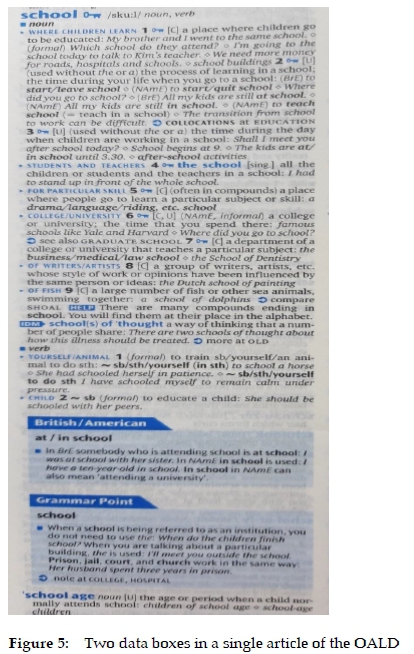
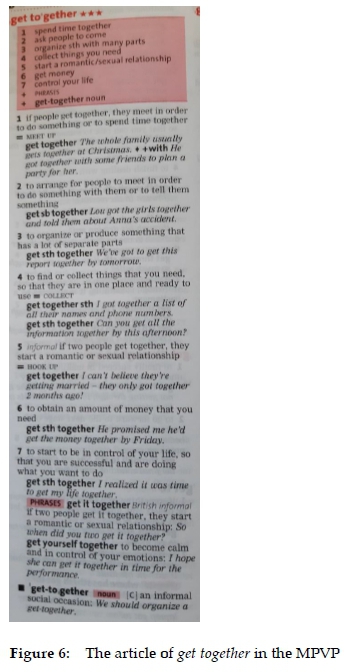
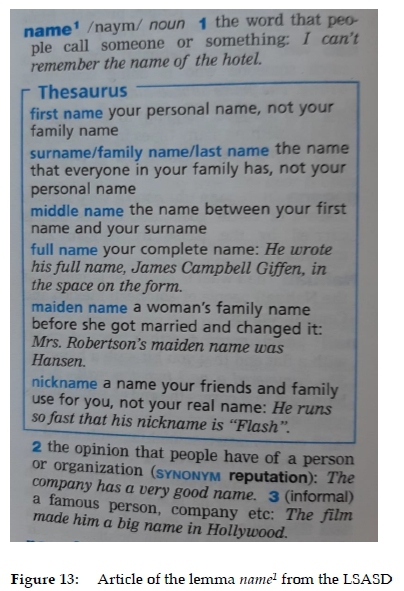
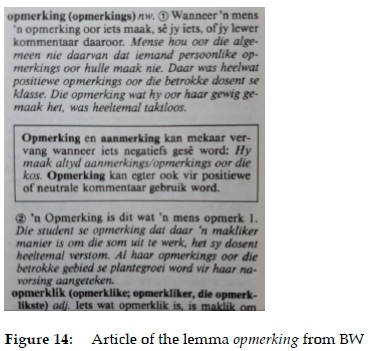
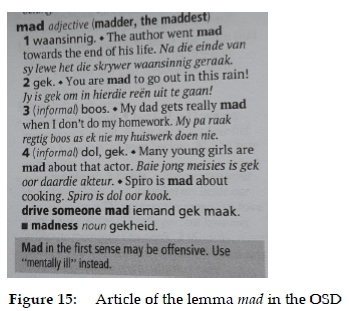
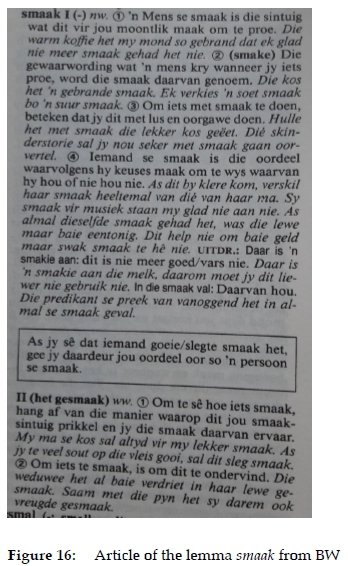
This article, the first in a series of three on lexicographic data boxes, focuses primarily on the occurrence of lexicographic data boxes as text constituents in dictionaries. Following a brief look at what data boxes are, the focus shifts to the different venues where these boxes can be accommodated within the central list of a dictionary. Boxes containing items and/or item texts can be positioned within articles, or article-externally as phased-in inner texts within a partial article stretch of a dictionary. Data boxes are used to convey data that need to be highlighted and are therefore often formally marked (a coloured background or within a frame) and are put in an article slot that has a position of salience. As dictionary entries they can participate in procedures of both lemmatic and non-lemmatic addressing. It is shown that a box should preferably be inserted close to its address. In articles of polysemous words, the user should unambiguously know for which sense(s) the box is relevant. As phased-in inner texts data boxes can be addressed at a lemma within the same partial article stretch but also, in the case of synopsis boxes, at lemmata in other article stretches. This demands procedures of remote addressing.
addressing; article stretch; article windows; article-external DATA BOXES; ARTICLE-INTERNAL DATA BOXES; DATA BOXES; DATA DISTRIBUTION; EXPANDED WORD LIST; INSERTS; LEXICOGRAPHIC DATA BOX; PARALLEL MACROSTRUCTURE; PARTIAL ARTICLE STRETCH; PHASED-IN INNER TEXTS
 Thumbnail
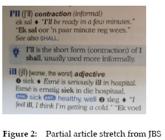 Thumbnail
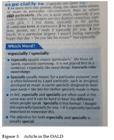 Thumbnail
 Thumbnail
 Thumbnail
 Thumbnail
 Thumbnail
 Thumbnail
 Thumbnail
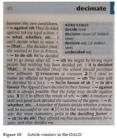 Thumbnail
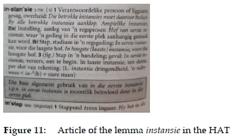 Thumbnail
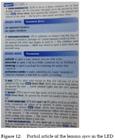 Thumbnail
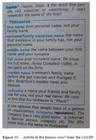 Thumbnail
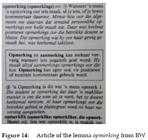 Thumbnail
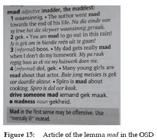 Thumbnail
 Thumbnail
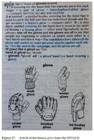 Thumbnail
 Thumbnail
 Thumbnail
 Thumbnail
 Thumbnail
 Thumbnail
 Thumbnail
 Thumbnail
 Thumbnail
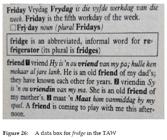 Thumbnail
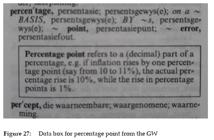 Thumbnail
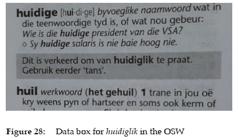 Thumbnail
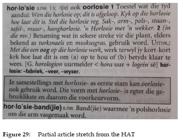 Thumbnail
 Thumbnail
 Thumbnail
 Thumbnail
 Thumbnail
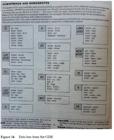 Thumbnail
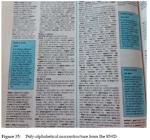 Thumbnail