Corpus Linguistics Methods for Building ESP Word Lists, Glossaries and Dictionaries on the Example of a Marine Engineering Word List
Abstract
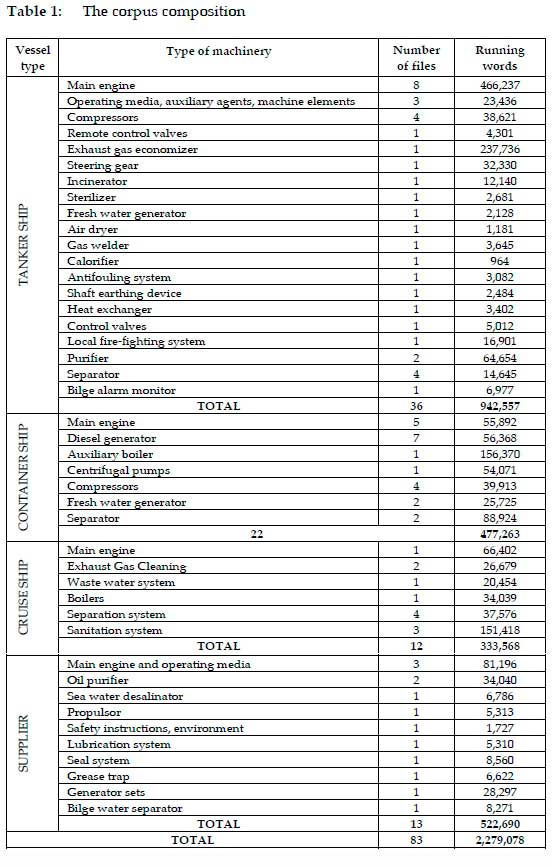
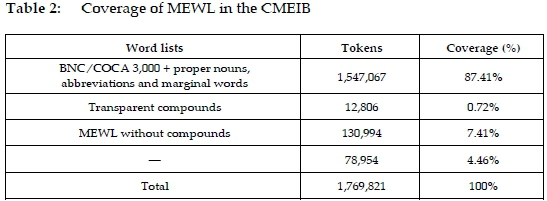
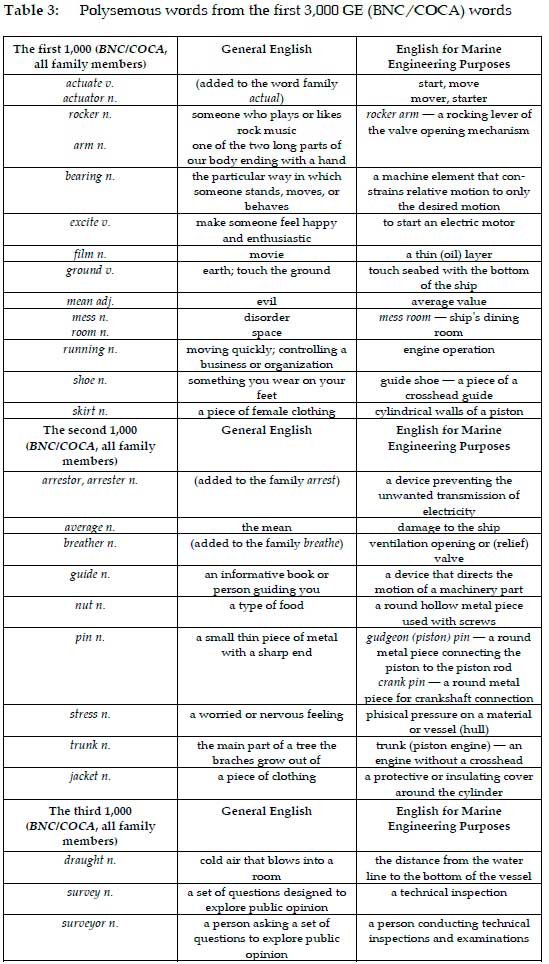
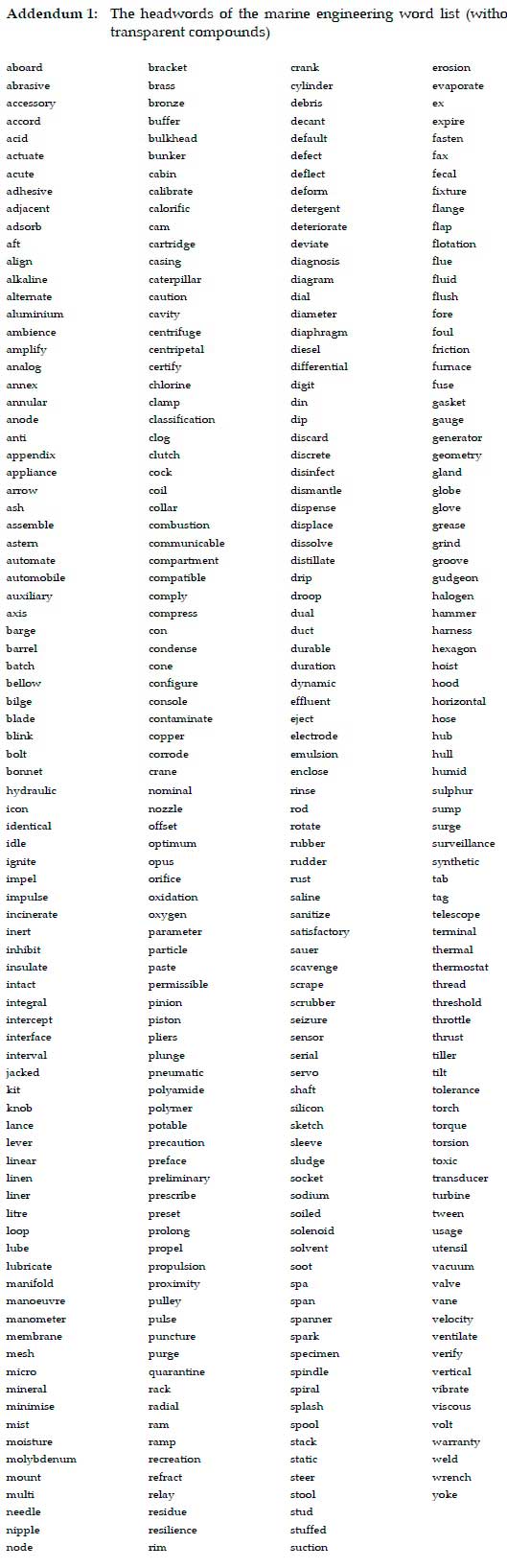
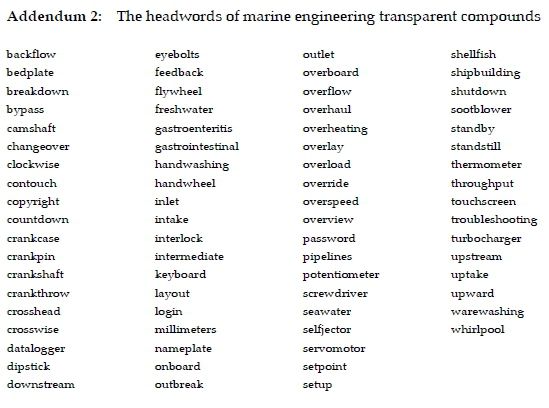
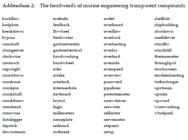
In addition to the general English knowledge required for nearly any human occupation today, vocabulary competence has been especially focused on seeking to keep pace with boosting Englishes for Specific Purposes. owing to the possibilities offered by contemporary software solutions, corpus linguistics has been able to answer some specific questions on the vocabulary demand of texts, as well as to provide concentrated vocabulary lists according to their frequency in real-life texts (corpora). Aiming to provide our target learners of English for marine engineering purposes with a practical vocabulary tool to help them reach an adequate reading comprehension text coverage of 95%, we developed a marine engineering word list of 337 word families, accompanied by a list of 73 transparent compounds, which were derived from the corpus of marine engineering instruction books with 1,769,821 running words. The list can be studied in university classes or training courses for seafarers, through various types of vocabulary exercises, but it might also assist in building technical glossaries and dictionaries. The methodology used and procedures applied in the paper should hopefully be of assistance to other authors and language instructors working on other areas of technical English.
vocabulary; word list; reading comprehension; corpus; instruction BOOKS; ENGLISH FOR SPECIFIC PURPOSES; MARINE ENGINEERING; FREQUENCY
 Thumbnail
 Thumbnail
 Thumbnail
 Thumbnail