Endemann's Wörterbuch der Sotho Sprache (1911): A Worthy Candidate for Digitisation
Abstract
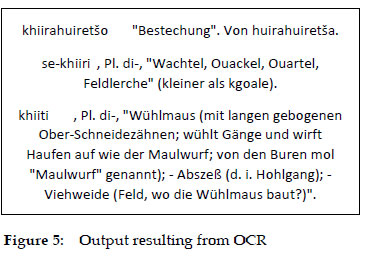
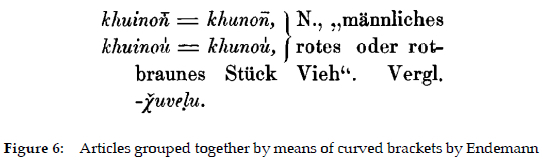
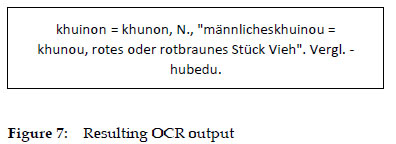
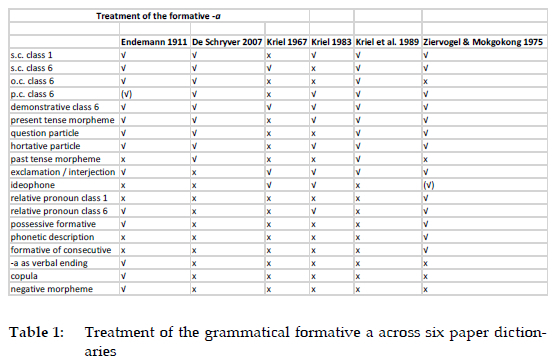
This article re-evaluates Wörterbuch der Sotho Sprache, a historically significant, yet neglected Sotho-German dictionary, published in 1911 by Berlin missionary Karl Endemann. Its marginalisation stems from its choice of German as target language, outdated orthography, missionary orientation, and deviation from modern lexicographic principles. Rather than a conventional comparison with modern Sepedi dictionaries, this study positions Endemann's work within its historical and cultural context. Key lexicographic elements such as grammatical formatives, alphabetical categories, high-frequency lemmas, semantically related paradigms, and culturally significant entries are analysed in detail. The findings often reveal strengths that match or even surpass those of later Sepedi dictionaries. Despite its value, user access remains limited due to linguistic complexity and unavailability. With digitisation now permitted by the publisher, this study outlines a multi-phase strategy to enhance usability, including the use of OCR4all, an open-source tool for text recognition. While the digitisation process is not without challenges, the application of OCR4all has yielded impressive accuracy. However, despite the high-quality output, this margin of error necessitates manual verification to ensure the integrity of the digitised content as a reliable and accessible resource for modern users.
endemann; sotho-german; cultural heritage; grammatical formatives; historical context; lexicographic principles; digitisation; ocr4all; modern day users; accessibility
 Thumbnail
 Thumbnail
 Thumbnail
 Thumbnail
 Thumbnail
 Thumbnail
 Thumbnail