An Empirical Study of EFL Learners' Dictionary Use in Chinese-English Translation
Abstract
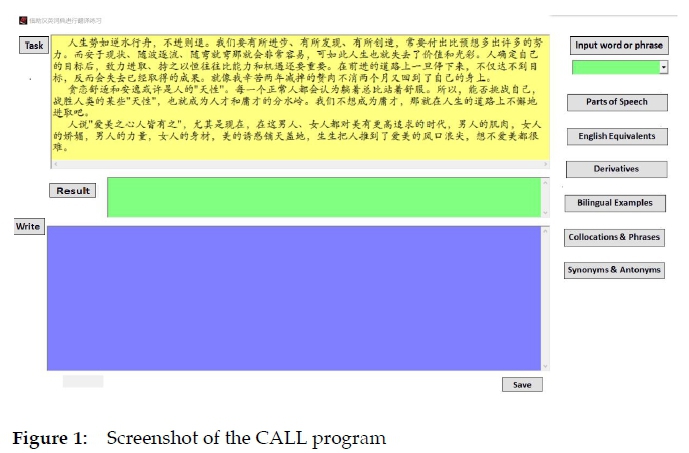
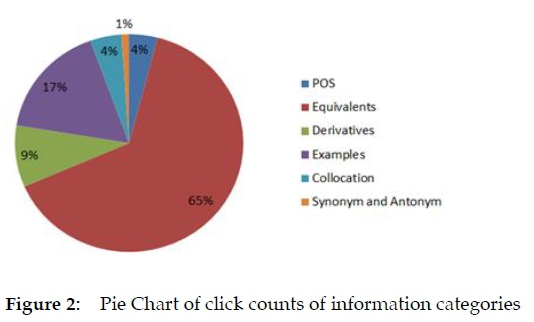
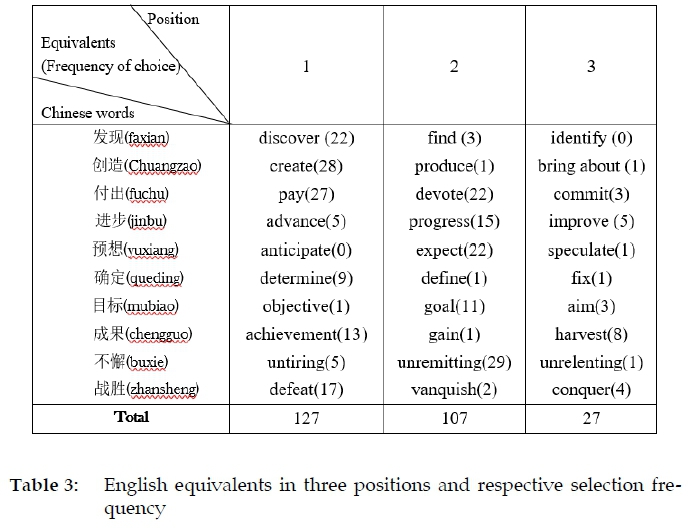
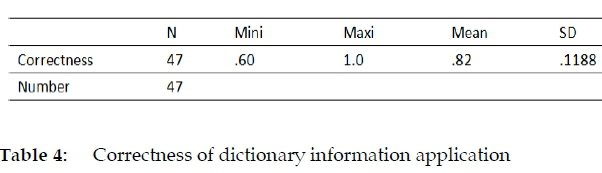
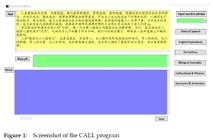
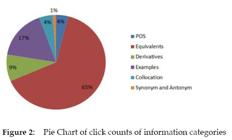
This article reports on the results of a study which investigated English as Foreign Language (EFL) learners' use of an electronic dictionary in a L1-L2 translation task. Forty-seven university graduate students from a Chinese university were asked to translate a Chinese passage into English on computers with the support of an embedded dictionary. Screen recorders were used to record their dictionary use behavior and a follow-up interview was conducted to tap into the thinking processes behind their behavior. The results of the study show that when translating, EFL learners demonstrate preferences for L2 equivalents and content words in their lookups, and reveal specific problems such as a preoccupation with L2 equivalents and lack of awareness of other lexical information, which may hinder correct application of dictionary information. This study suggests that dictionary use behavior may affect the development of students' ability to translate and requires attention from both EFL learners and teachers. It is further suggested that translation teachers should alert learners to the importance of checking other lexical information in a dictionary in their translation practice.
dictionary use preferences; dictionary use processes; efl learners; translation task; interview; screen recording; log files
 Thumbnail
 Thumbnail