Lexicographic Data Boxes. Part 2: Types and Contents of Data Boxes with Particular Focus on Dictionaries for English and African Languages
Abstract
This article, the second in a series of three on lexicographic data boxes, focuses primarily on the types and contents of data boxes with particular reference to dictionaries for English and African languages. It will be proposed that data boxes in paper and electronic dictionaries can be divided into three categories and that a hierarchy between these types of boxes can be distinguished, i.e. (a) a bottom tier - data boxes used as mere alternatives to other lexicographic ways of presentation such as the bringing together of related items and/or to make entries visually more attractive, (b) a middle tier - addressing more salient features e.g. range of application, contrast, register, restrictions, etc. and (c) a top tier - vital salient information, e.g. warnings, taboos and even illegal words. A distinction is made between data boxes which are universal in nature, i.e. applicable to any language, data boxes pertaining to a language family and data boxes applicable to a specific language.
dictionaries; lexicographic data boxes; text boxes; shaded BOXES; AFRICAN LANGUAGES; SEPEDI; ISIZULU
 Thumbnail
 Thumbnail
 Thumbnail
 Thumbnail
 Thumbnail
 Thumbnail
 Thumbnail
 Thumbnail
 Thumbnail
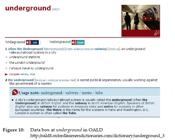 Thumbnail
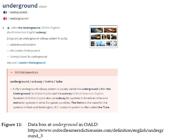 Thumbnail
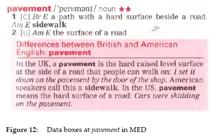 Thumbnail
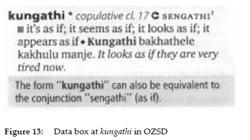 Thumbnail
 Thumbnail
 Thumbnail
 Thumbnail
 Thumbnail
 Thumbnail
 Thumbnail
 Thumbnail
 Thumbnail
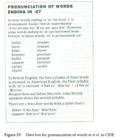 Thumbnail
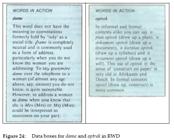 Thumbnail
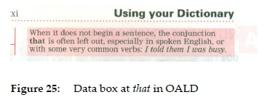 Thumbnail
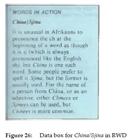 Thumbnail
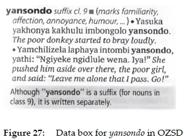 Thumbnail
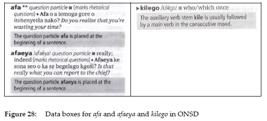 Thumbnail
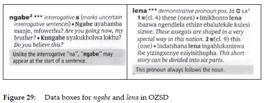 Thumbnail
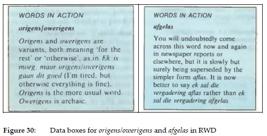 Thumbnail
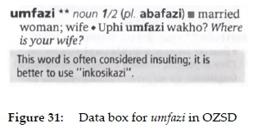 Thumbnail
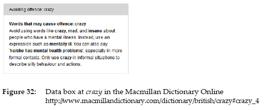 Thumbnail
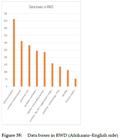 Thumbnail
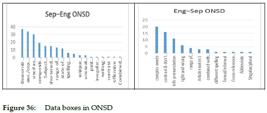 Thumbnail
 Thumbnail