Visualisation of Collocational Preferences for Near-Synonym Discrimination
Abstract
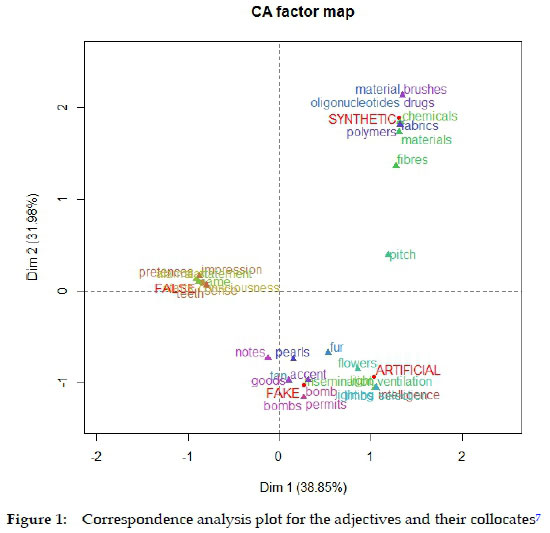
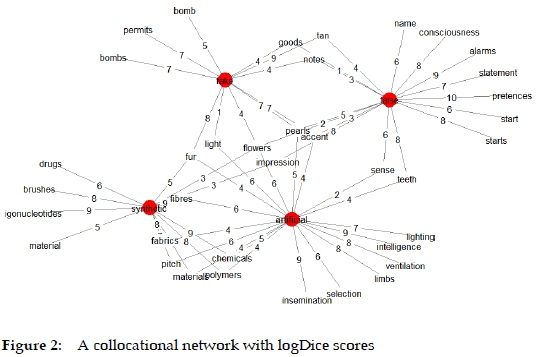
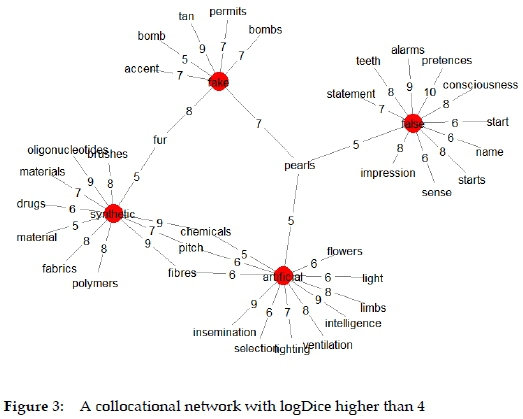
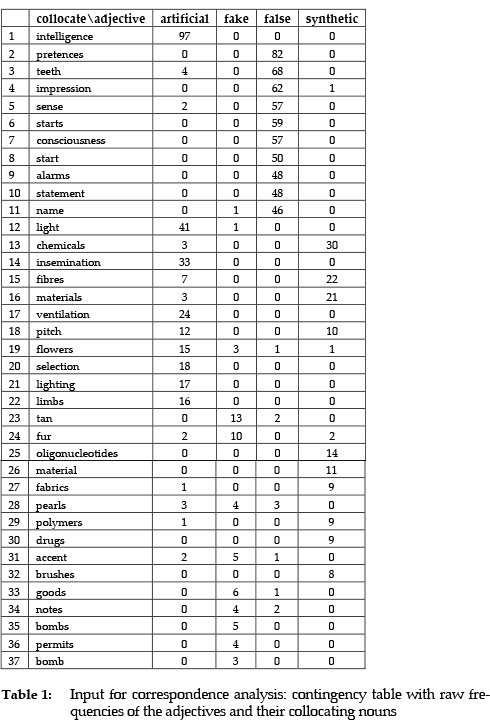
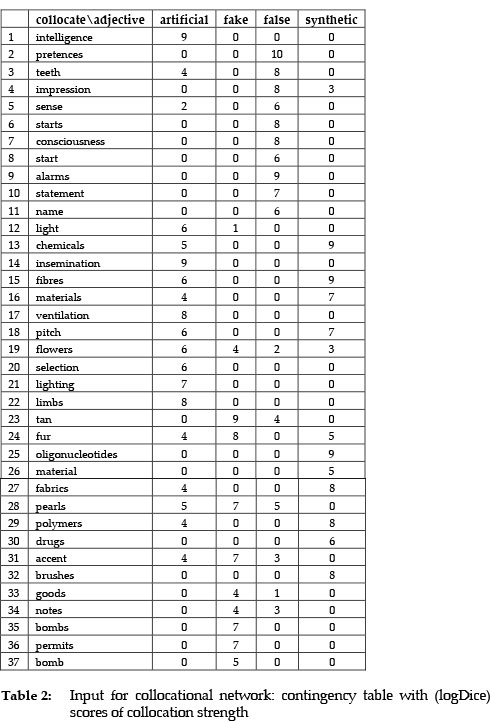
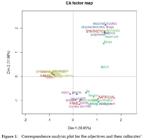
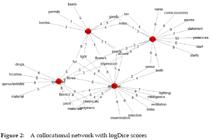
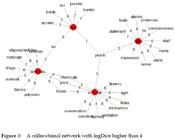
This paper aims to explore the potential usefulness of two techniques that visualise collocational preference for the purpose of synonym discrimination. Given the fact that collocation is one of the most important markers of meaning difference, it is used as the criterion for distinguishing between near-synonyms. Collocational preferences for a set of near-synonyms (artificial, fake, false, and synthetic) were visualised using two techniques: correspondence analysis plot and collocational network. The collocations were retrieved from BNC corpus by using a distributional method. An advantage of the graphs is that they allow lexicographers to spot similarities and differences in collocational preference of several words in a single diagram. Such visualisations may be used as an alternative way to a tabular form of data presentation to avoid information overload which arises when lexicographers prepare synonym essays for productively-oriented dictionaries. The visualisations can be used as a starting point for exploring semantic differences between semantically similar words.
visualisation; correspondence analysis; collocational network; synonymy discrimination; collocation; automatic retrieval of synonyms; near-synonym; collocation preferences
 Thumbnail
 Thumbnail
 Thumbnail