The use of population viability analysis to identify possible factors contributing to the decline of a rare ungulate population in south-eastern Zimbabwe
Abstract
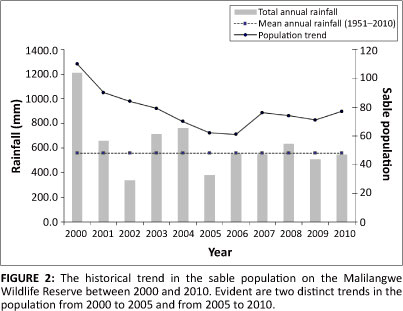
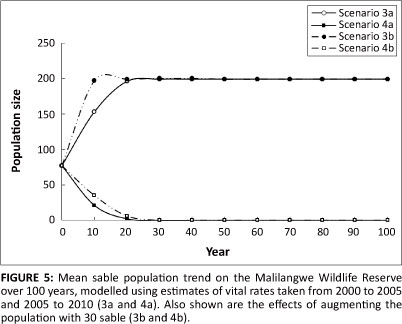
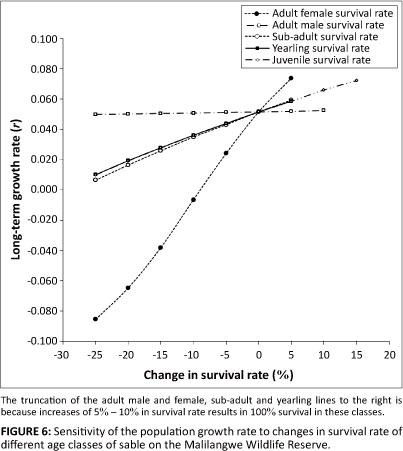
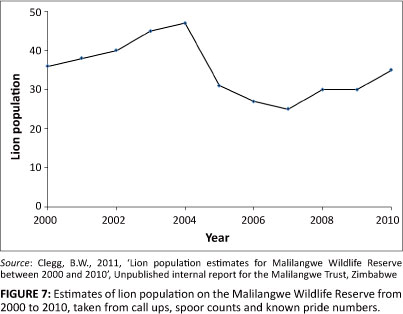
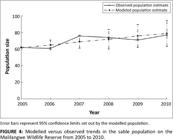
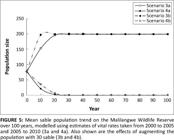
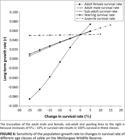
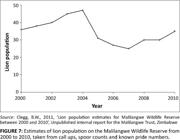
Populations that are vulnerable to decline are of particular concern to wildlife managers and uncovering the mechanisms responsible for downward trends is a crucial step towards developing future viable populations. The aims of this study were to better understand the mechanisms behind the historic decline of the sable antelope, Hippotragus niger, population at the Malilangwe Wildlife Reserve (MWR), to assess its future viability and to use this analysis to determine key areas of breakdown in population growth and link these to potential limiting factors. VORTEX, a population viability model was used to assess the future viability of the sable antelope population and a sensitivity analysis was applied to identify the key areas of breakdown in growth. The sable population is currently viable, but remains highly vulnerable to changes in adult female survival, a factor which had the greatest influence on overall population fitness. Lion predation, impacting on the adult segment of the population, appeared to be the main factor responsible for the historic decline at the MWR. Conservation Implications: Sable generally occur at low densities in the lowveld region of Zimbabwe and, as such, populations are vulnerable to increases in mortality rates. The role of lions in driving the decline at the MWR suggests a need to control their numbers and develop prey refuges through improved management of artificial water.
 Thumbnail
 Thumbnail
 Thumbnail
 Thumbnail
 Thumbnail
 Thumbnail
 Thumbnail