Conservation and monitoring of invertebrates in terrestrial protected areas
Abstract
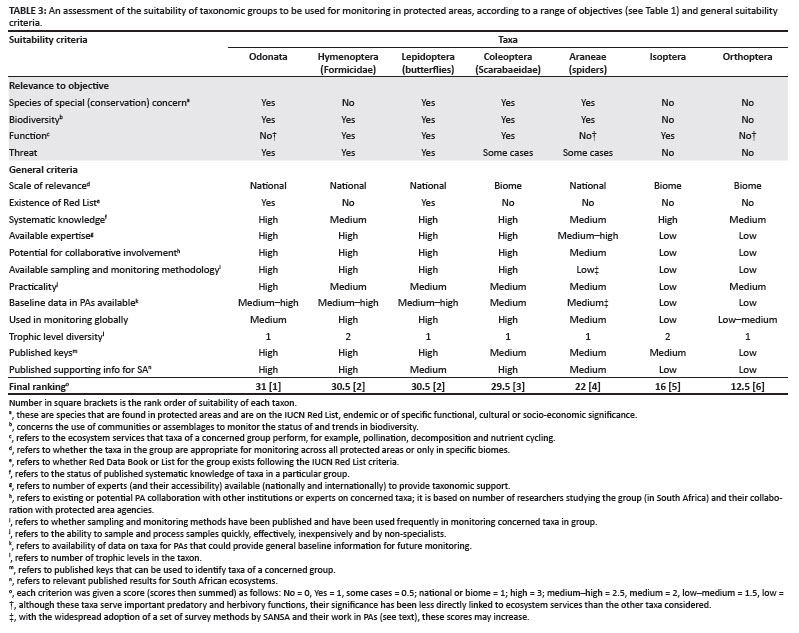
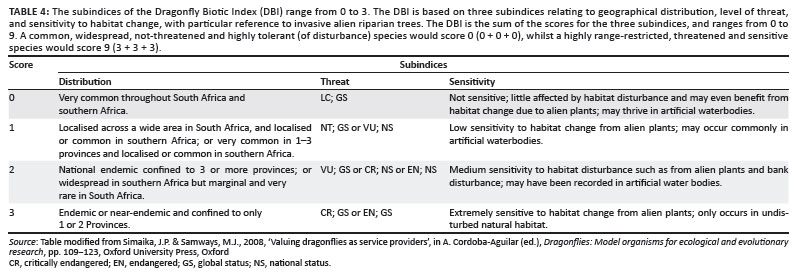
ABSTRACT Invertebrates constitute a substantial proportion of terrestrial and freshwater biodiversity and are critical to ecosystem function. However, their inclusion in biodiversity monitoring and conservation planning and management has lagged behind better-known, more widely appreciated taxa. Significant progress in invertebrate surveys, systematics and bioindication, both globally and locally, means that their use in biodiversity monitoring and conservation is becoming increasingly feasible. Here we outline challenges and solutions to the integration of invertebrates into biodiversity management objectives and monitoring in protected areas in South Africa. We show that such integration is relevant and possible, and assess the relative suitability of seven key taxa in this context. Finally, we outline a series of recommendations for mainstreaming invertebrates in conservation planning, surveys and monitoring in and around protected areas. CONSERVATION IMPLICATIONS: Invertebrates constitute a substantial and functionally significant component of terrestrial biodiversity and are valuable indicators of environmental condition. Although consideration of invertebrates has historically been neglected in conservation planning and management, substantial progress with surveys, systematics and bioindication means that it is now both feasible and advisable to incorporate them into protected area monitoring activities
 Thumbnail
 Thumbnail