Managing omni-channel reverse logistics risk during supply chain disruption recovery in the South African fashion industry
Abstract
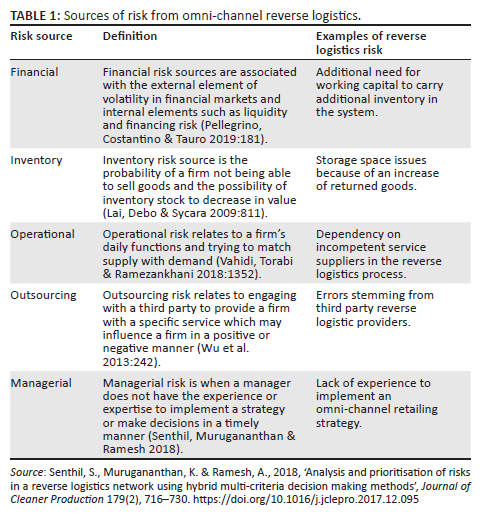
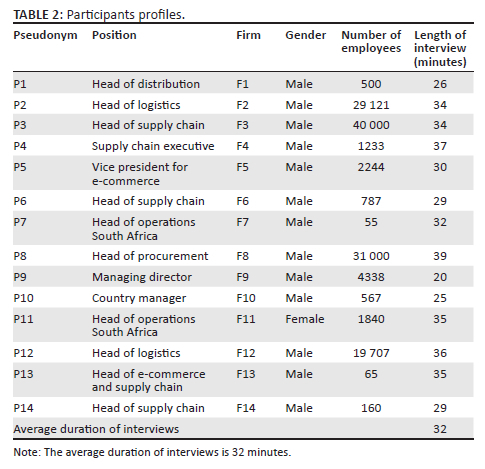
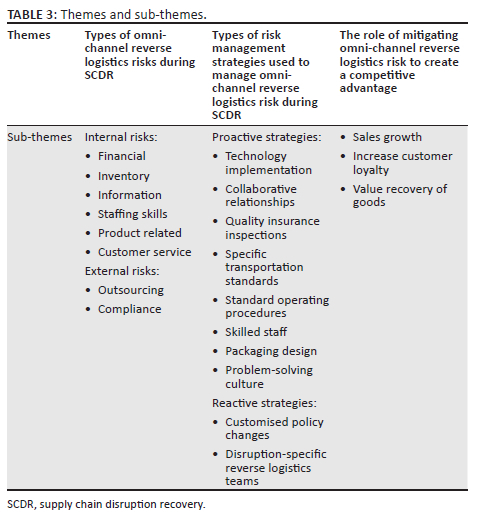
BACKGROUND: Omni-channel retailing is blurring the lines between online and physical stores for consumers as it provides consumers with more choices, convenience and a seamless shopping experience. An integral aspect of implementing an omni-channel retail strategy is having an efficient reverse logistics process. However, retailers seem reluctant to implement omni-channel reverse logistics because of the various risk types that affect the economic wellbeing of a firm, especially during supply chain disruption recovery (SCDR) when the firm is in distress. Prior research primarily examines the risks associated with reverse logistics in a single channel. While the existing findings are promising, there is a lack of understanding regarding the specific risks involved in omni-channel reverse logistics and how to mitigate these risks in the context of SCDR. OBJECTIVES: The purpose of this study was to explore omni-channel reverse logistics risks and mitigation strategies during SCDR in the South African fashion retail industry. METHOD: The study employed a generic qualitative design using purposive sampling methods. Fourteen semi-structured interviews were conducted to collect data. The data were analysed using a thematic analysis approach. RESULTS: The study identified specific types of omni-channel reverse logistics risks. The findings indicate that omni-channel reverse logistics risk during SCDR is managed through proactive and reactive strategies such as technology implementation, collaborative relationships, quality insurance inspections, customised policy changes and disruption-specific reverse logistics teams. The findings show that mitigating omni-channel reverse logistics risk can help create a competitive advantage because of increasing customer loyalty, value recovery and profits. CONCLUSION: The findings provide valuable insight on how to manage omni-channel reverse logistics risk during SCDR and, if mitigated correctly, can contribute to a competitive advantage. CONTRIBUTION: This study expands on the current literature by identifying multiple types of omni-channel reverse logistics risks and strategies used to manage omni-channel reverse logistics risk in a SCDR context.
omni-channel; reverse logistics risk; disruption recovery; fashion retail industry; generic qualitative research; South Africa