Effects of acupuncture on stride, speed, and heart rate variability in Thoroughbred racehorses
Abstract
Thoroughbred racehorses are at increased risk of injury during race preparations and trials, primarily due to intensive workloads that predispose them to musculoskeletal injuries. Evaluating clinical interventions to improve health and prevent injury is essential for addressing animal welfare concerns. This study investigated the medium-term effects of acupuncture on stride, speed and cardiac autonomic regulation (assessed via heart rate variability [HRV]), in Thoroughbred flat racehorses. This prospective, randomised, parallel-group study included an intervention and a control group. Thirty Thoroughbred racehorses in full training (racing age 3 years; range 3.0-3.9), from a single professional training yard, and at the same stage of their racing careers, were maintained under similar nutritional, training, and environmental conditions. The intervention group received three acupuncture treatments, over a three-week period. HRV and 800-m gallop stride parameters (SP) were measured pre- and post-acupuncture period in both groups. Pre-post changes or delta (Δ) in each indicator were calculated for both groups and compared using non-parametric Mann-Whitney U tests. Treatment was associated with non-significant reductions in parasympathetic HRV indicators namely root mean square of successive differences in beat-to-beat RR-interval ΔRMSSD: treatment vs control: - 2.19 vs. 1.47 ms), high frequency components (ΔΗF: - 37.19 vs. 19.42 ms2), and standard deviation of short-term variability ΔSD1: - 1.56 vs. 1.04 ms), suggesting lower vagal tone. Maximum stride count (Max SC) increased significantly in the control group (p = 0.004). Overall, the treatment group showed decreased stride count and vagal activity indicating that a short recovery period may be required after acupuncture.
heart rate variability; stride parameters; stride count; dry needle
Introduction
Thoroughbred racehorses are trained intensively to maximise performance, often resulting in injury and fatigue (McGowan & Whitworth 2008). Common injuries in equine racing include tendon and ligament injuries (Hill, et al. 2001; Spargo, et al. 2019), fractures (Davidson & Ross 2003; Verheyen, et al. 2006), cardiovascular diseases (Young 2003) and exercise-induced myopathies (Valberg, et al. 1994), many being linked to inadequate exercise adaptation and/or selective breeding in equine athletes. These health risks raise important animal welfare concerns. Welfare is defined as the '...physical and mental state of an animal as it relates to the conditions in which it lives and dies../ (World Organization for Animal Health 2020). Maintaining optimal welfare by treating or preventing injuries, may simultaneously enhance racehorse performance (Mactaggart 2016) and reduce the economic impact of veterinary cost to treat injuries and reduce loss of income from a horse during its career.
Racehorses often experience physical and psychological fatigue (overtraining syndrome) (Hamlin, et al. 2002; McGowan & Whitworth 2008), which can be assessed through autonomic nervous system responses (ANS) (Kinnunen, et al. 2006). Heart rate variability (HRV), a non-invasive method to quantify modulation in autonomic cardiac control (van Vollenhoven, et al. 2016; von Borell, et al. 2007). Various factors influence HRV in horses, including an innately high parasympathetic control at rest (Lorello, et al. 2017), respiration (von Borell, et al. 2007), age (Younes, et al. 2016), fitness (Nyerges-Bohák, et al. 2021), training history (Younes, et al. 2016), changes in routine (van Vollenhoven, et al. 2017), time of day (von Borell, et al. 2007), and sex (Janczarek, et al. 2016). HRV can reflect an animal's autonomic nervous system response to a specific stimulus (van Vollenhoven, et al. 2017) or provide a snapshot of overall autonomic regulation at the time of measurement (Nyerges-Bohák, et al. 2021).
Trainers use a variety of therapies to maximise performance in equine athletes, such as laser therapy, massage therapies and equipment, light-emitting diode (LED) devices, cooling and heating pads, ionic boots, kinesio-taping, vibration plates, and acupuncture (Fédération Equestre Internationale 2023). A survey on rehabilitation modalities used by veterinary practices showed that 68% of practices (89% of veterinarians) reported using acupuncture in sport horses (Wilson, et al. 2018). Most participants in this survey were from the United States, Europe, and Canada. Several studies have also reported the use of acupuncture in equines (Shmalberg & Xie 2011; Shmalberg, et al. 2019; Shmalberg & Xie 2009; Tangjitjaroen, et al. 2009). In sport horses, acupuncture has been studied for its effect on stress (Rizzo, et al. 2017), lameness (Schoen 2000), pain (Schoen 2000), and gait changes (Dunkel, et al. 2017). However, the potential role of acupuncture in enhancing performance, and its possible side-effects or welfare implications, remain underexplored.
Racehorse exercise capacity can be evaluated via cardiovascular responses (quantified using HRV) and through the gallop test (Barrey 2014). The gallop test refers to a standardised 800 m fast-work session in which locomotor capacity is assessed through speed and stride parameters (SP), such as stride length (SL), stride count (SC), and stride frequency (SF) (Barrey 2014; Barrey, et al. 2001; Morrice-West, et al. 2021). Sex, age, track surface, and the distance are known to affect SP (Morrice-West, et al. 2021), however, variation occurs due to individual horses using different strategies to accelerate and maintain speed (Morrice-West, et al. 2021).
This study investigated the medium-term effect of acupuncture on (a) cardiac autonomic regulation of Thoroughbred flat racehorses in training, assessed through HRV, and (b) gallop locomotor capacity, through SP as well as speed parameters. The hypothesis was that acupuncture could modulate the autonomic nervous system, which plays a vital role in regulating the stress response, and may also influence stride and speed parameters, potentially enhancing performance. The primary outcomes were heart rate measures, HRV indicators and locomotor parameters, including speed and stride.
Research methods and design
This study aimed to assess the medium-term impacts of acupuncture on the physiological parameters of Thoroughbred racehorses, using HRV, and locomotor parameters as indicators of exercise capacity.
This prospective, randomised, parallel study, compared an intervention and control group, to determine acupuncture effect. The study received approval from the institutional Research Ethics Committee (Faculty of Veterinary Science) and Animal Ethics Committee from the University of Pretoria (REC185-19) before commencement of the research.
Horses
ThirtyThoroughbred flat racehorses (racing age 3 years; range 3.0-3.9 years) were recruited from a single professional training yard in Gauteng, South Africa. Although not from the same breeding farm, all horses were at the same stage of their racing careers. The trainer at the participating racehorse yard identified eligible horses, excluding those that were unhealthy, competing in races, younger than 2 years of age, or that had received acupuncture within the past year. The researcher randomly selected 30 horses from the list. Sample size was determined using a two-sided test with a significance level of 0.05 between treatment and control groups. This provided 90% power to detect a change of 0.24 strides per second with 14 horses per group (Barrey, et al. 1995). Group size was increased to 15 horses to allow for a 10% dropout rate. The horses were healthy, in full training, did not receive any treatments, and were randomly allocated to the groups by the researcher. All participating horses were kept under similar circumstances and received the same training. All horses received the same feeding regimen, consisting of a commercial pelleted racehorse concentrate (morning ~4-5 kg, afternoon ~3-4 kg), ad libitum /ucerne and teff (Eragrostis) hay, and free access to a mineralised salt block. Morning feeds were given at ~09:00 after training and afternoon feeds at ~15:00-16:00. Feed allowances were adjusted weekly according to body weight, body condition score, and workload. Clinical examinations were performed on all horses prior to treatment initiation and data collection points. Horses that became injured or required any treatment during the trial period were excluded from the study.
Horse habituation
To familiarise the horses with the Televet100 electrocardiogram device (Engel Engineering, Offenbach, Germany) the ECG pad attachments sites were shaved, the electrodes and leads were fitted, and the device was secured with a surcingle before data collection. The equipment was removed once the horse appeared calm and habituated to it.
Training and rest schedule
All horses followed a standardised six-day training schedule under the supervision of the same trainer. Training consisted of canter ('slow work) and gallop ('fast work') sessions, with the latter always conducted over 800 m on the same sand track. Horses had one rest day per week. Each horse was consistently ridden by the same jockey for the duration of the study to minimise variability. All fast work sessions were conducted at the same time of day to minimise environmental and circadian influences on exercise capacity. Fast work was performed weekly (Tuesdays) between 06:00 and 08:00. Horses were worked in small groups of three to four for safety and track management reasons, but all horses were trained consecutively, on the same morning, under identical conditions. Following training, the horses cooled down before being bathed and then returned to their stables. There, they were provided with food and groomed before resting. On their rest day (the 7th day), the horses were walked at the equestrian facility in the morning after feeding.
Acupuncture treatments
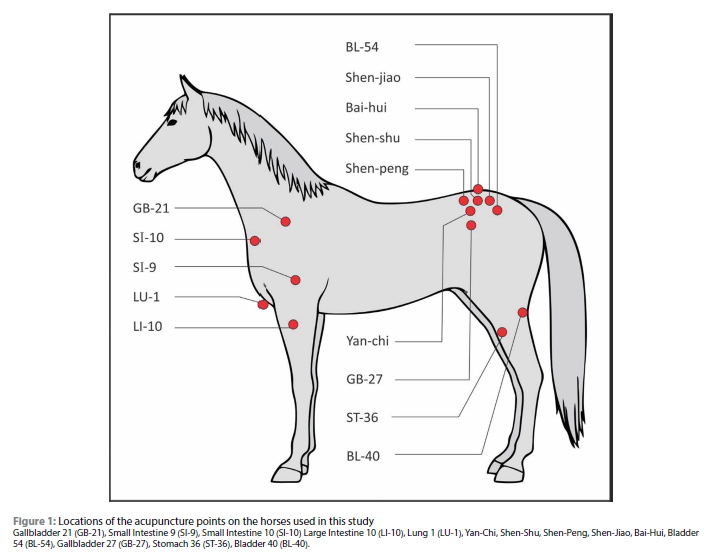
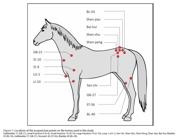
The researcher, a veterinarian and Certified Veterinary Acupuncturist (R.H) (Chi Institute of Chinese Medicine) with 6 years' experience, administered 20-minute acupuncture sessions to the treatment group, in the stables, once weekly for three weeks. The control group was haltered in the stables for 20 minutes, on the same days as treatments. Sessions were conducted approximately 30-60 minutes after the horses' routine morning training. To avoid interference from post-exercise cardiovascular and thermoregulatory changes, treatments were given following a standard cool-down and grooming period. Horses could not be treated simultaneously; therefore, treatments were performed sequentially, in a randomised order within each group. The interval between the first and last horse treated was limited to 4-5 hours. Horses from the treatment and control groups were scheduled alternately to balance potential time-of-day effects. Stainless steel acupuncture needles (diameter x length: 0.30 x 30 mm; 0.3 x 50 mm or 0.3 x 75 mm, depending on muscle group) were inserted bilaterally (28 needles/horse/session), at predetermined acupuncture points (Figure 1), as described by Xie & Yamagiwa (2007) and Xie & Trevisanello (2007). Needles were manually rotated clockwise for seven revolutions every five minutes. No specific response was sought as the stimulation and retention times were the same across all sessions. Point selection was standardised to target major muscles frequently affected by injury in racehorses (Western Acupuncture), and to include points with potential (Landsberg et al. 2011) performance-enhancement effects (Xie & Trevisanello 2007; Xie & Yamagiwa 2007), described in Traditional Chinese Medicine. Placement and needle removal were performed in the same sequence during each treatment.
Heart rate variability
HRV was measured for 15 minutes per horse, starting approximately one hour after the morning feed, on the horses' designated rest day to avoid overlap with strenuous exercise. Two Televet100 devices were used simultaneously in adjacent stables, allowing paired horses (one from each group) to be measured concurrently. Horses were recorded in a pre-determined, randomised order, with approximately 20 minutes allocated per pair for preparation, recording, and electrode removal. This limited the delay between the first and last horse on any given day to 2-3 hours. ECG data were collected twice: before the first treatment and two days post-third treatment session on the rest days. RR-intervals were extracted to calculate HRV indicators, with recordings performed at the same time of day, and in the same sequence, for both pre- and post-treatment collections. ECG data were recorded using the Televet100 device. The four electrodes (Kruuse, Havretoften 4, DK-5550 Langeskov, Denmark) were attached with gel onto the skin according to Trachsel et al. (2010) and secured with a surcingle. Data were downloaded with Televet100 software and transferred to Kubios Standard software (The Biomedical Signal Analysis Group, Department of Applied Physics, University of Kuopio, Finland) Version 3.3.1 to quantify HRV indicators. The frequency bandwidths "in Kubios were set to 0.01-0.06 Hz for low frequency and 0.07-0.6 Hz high frequency" following van Vollenhoven, et al. (2016).
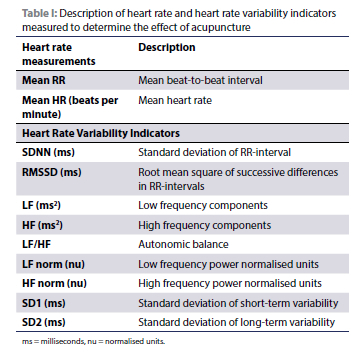
A five-minute segment (from the 15-minute recording) with the fewest visual artefacts (Mourot, et al. 2004; van Vollenhoven, et al. 2016) was analysed using correction factors (CF): No (no changes to data), Low, Medium, Strong, and Very Strong. These Correction Factors identified RR-intervals differing by 0.45, 0.25, 0.15, and 0.05 s from the local mean RR-interval, respectively, as artefacts, which were then replaced if the selected filter was applied in Kubios. CF data were then clustered, with clusters defined as data sets showing a consistent artefact correction percentage. The lowest CF within each cluster was selected for visual evaluation, and if visual inspection indicated otherwise, the appropriate higher CF within the same cluster was chosen. Thus, in line with Kubios recommendations, "... the lowest possible correction level [CF], which corrected the abnormal beats but does not over correct the data..." (Kubios Team 2023) was selected individually for each horse. Table I lists the HRV indicators, derived from the Kubios software, that were analysed in this study with their corresponding abbreviations.
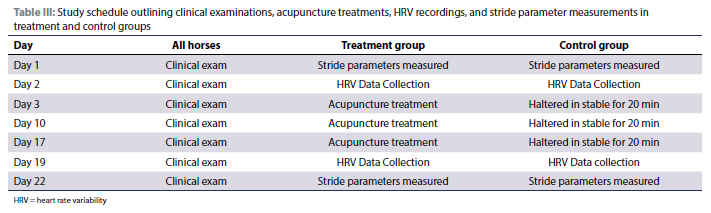
Where the tachogram quality was poor, the results were excluded from the analysis. A summary of the study schedule is provided in Table III.
Stride parameters
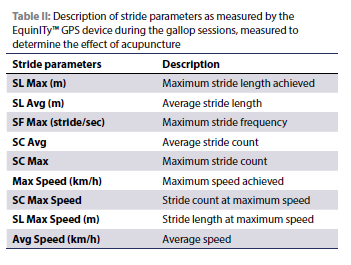
Stride data were collected twice: before the first treatment and five days after the third treatment session, to coincide with the routine fast-gallop training session while avoiding overlap with acupuncture sessions. The EquinITy™ GPS device (Equinity Technology Limited) was attached to the saddle girth, before the gallop. Each session began with horses walked in circles within a paddock as a warm-up. They then completed an 800-meter gallop on a sand track; while different horses were assigned to different jockeys, each horse was consistently ridden by the same jockey across all sessions. All tests were conducted on a straight 800-m track to minimise lead changes during galloping, which could affect stride parameters. During this exercise, various locomotor parameters-including maximum (SL Max) and average (SL Avg) stride length; maximum stride frequency (SF Max); average stride count (SC Avg); maximum stride count (SC Max); stride count (SC Max Speed) and stride length (SL Max Speed) at maximum speed; as well as maximum (Max Speed) and average (Avg Speed) speed-were recorded by the device and saved to the cloud. Abbreviations for SPs are shown in Table II.
To summarise: Pre-treatment measurements were collected before the first treatment session. Post-treatment measurements were collected after the third session (two days later for HRV recordings and five days later for stride parameter measurements), in order to assess medium-term changes. The study schedule is summarised in Table III.
Clinical examinations were performed on all horses at each scheduled time point. For both groups, baseline HRV and stride data were recorded, as well as post-treatment measurements. Handling conditions, consisting of 20 minutes of haltering, were replicated in both groups.
Statistical analysis
Statistical analyses were performed using R Core Team (R: A Language and Environment for Statistical Computing from R Foundation for Statistical Computing, Vienna, Austria. https://www.R-project.org/). Descriptive parameters for HR measures, HRV indicators, and stride parameters were determined using delta (Δ), representing the difference between pre-and post-treatment medians. As the Shapiro-Wilk test indicated non-normal data distribution, the non-parametric Independent Mann-Whitney U test was used to compare between-group changes with a set significance level of 5%. The statistician was blinded to individual group assignments (control or intervention). Because sex distribution was unequal between the groups, the statistical analysis excluded fillies and mares (n = 5). Due to injuries, three horses from the non-treatment group and one horse from the treatment group had to be excluded. Thus, the final HRV analysis included colts only (mean age 3.7 ± 0.98 years), recruited from the three-year-old training cohort (racing age 3 years).
Results
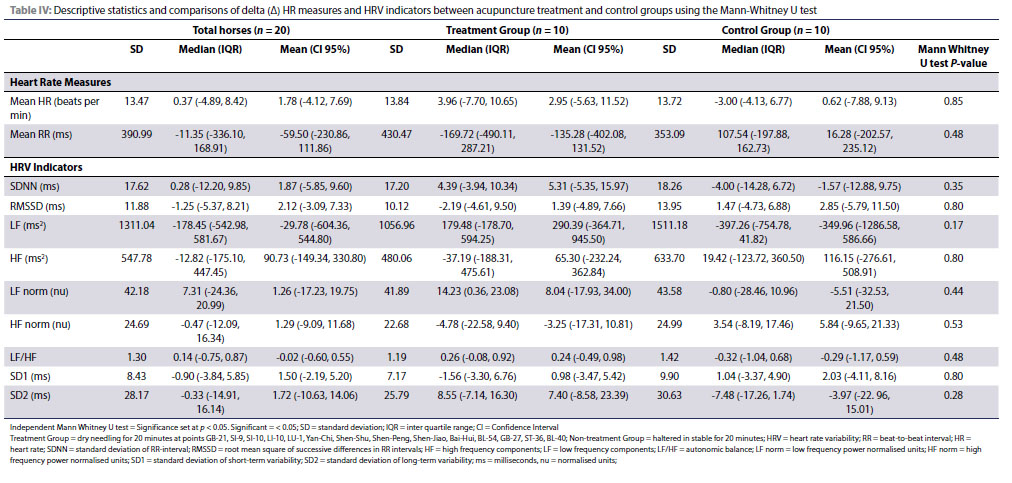
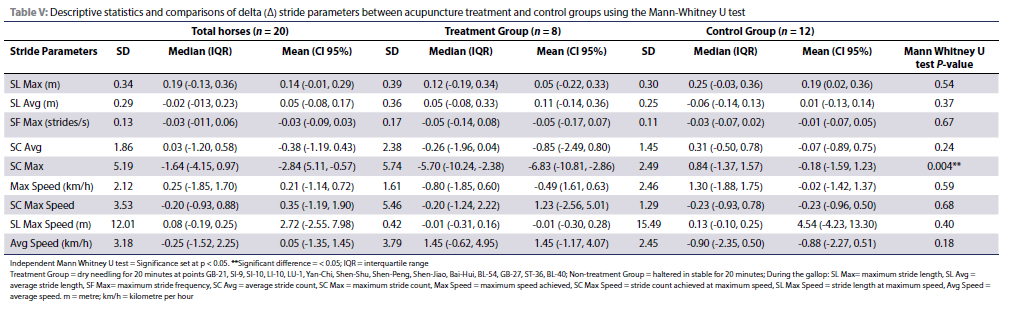
In this study, effects were classified as immediate (hours post-treatment), medium-term (2-5 days, within one training cycle), and long-term (weeks beyond a single cycle). The medium-term effect of acupuncture on Thoroughbred flat racehorses is shown in Table IV (cardiac autonomic regulation as measured by HRV) and Table V (locomotor parameters during the gallop test).
A) Heart rate variability results
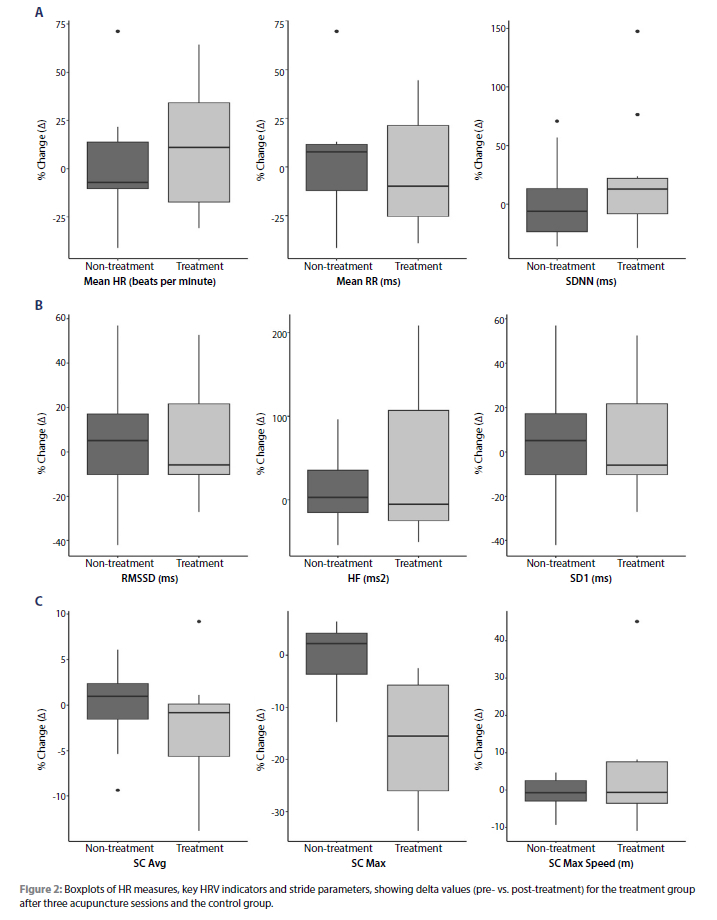
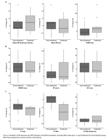
Descriptive statistics and delta (pre-and post-intervention changes) comparisons of HR measurements and HRV indicators between groups are summarised in Table IV. No significant between-group differences were found in any of these indicators when comparing group deltas (Table IV). Figure 2 presents HR measurements and key HRV indicators.
B) Stride parameters results
Descriptive statistics and delta (pre-and post-intervention changes) comparison of SP between groups are summarised in Table V. The only parameter that differed significantly was maximum stride count or SC Max (p = 0.004). Key stride results are illustrated in Figure 2.
Figure 2 shows the graphical representation of heart rate measures, key heart rate variability indicators, and stride count as delta (Δ) percentages.
Box plot examples of (A) indicators associated with both parasympathetic and sympathetic cardiac control (HR, RR and SDNN), (B) Indicators associated with pure parasympathetic control (RMSSD, HF and SD1) and (C) Stride parameters (SC Avg, SC Max and SC Max Speed). For each box, the lower boundary of the box represents the 25th percentile, the upper boundary represents the 75th percentile, the solid line inside the box is the median, the whiskers above and below the box represent the 90th and 10th percentiles, respectively, and the solid circles represent individual outlier points. HR: heart rate; Mean RR: mean beat-to-beat interval; SDNN: standard deviation of RR-interval; RMSSD: root mean square of successive differences in RR intervals; HF: high-frequency components; SD1: standard deviation ofshort-term variability; SC Avg: average stride count, SC Max: maximum stride count, SC Max Speed: stride count achieved at maximum speed; ms = milliseconds; m = metre.
Discussion
This study investigated the medium-term effects of three dry-needle acupuncture treatments on Thoroughbred flat racehorses in training. When comparing pre- and post-treatment changes (deltas) between the treatment and control groups, no significant changes were observed in cardiac autonomic regulation (HR measurements and HRV indicators). However, for one stride parameter (locomotor parameters), SC Max (maximum stride count), the delta was significantly lower in the treatment group (p = 0.004).
Heart rate variability
No significant differences in pre-to post-treatment changes (delta) were observed in HR measurements and HRV indicators between the two groups. Nevertheless, the pattern of the parasympathetic nervous system (PNS) and sympathetic nervous system (SNS) cardiac influence is noteworthy. In the treatment group (Table IV), the median changes (deltas) of the pure vagal (parasympathetic) indicators (RMSSD = Root mean square of successive differences in RR-intervals; HF = High frequency components and SD1 = Standard deviation of short-term variability) (van Vollenhoven, et al. 2016; von Borell, et al. 2007) reflected a decrease in the vagal cardiac influence. In contrast the indicators associated with the combined effect of the PNS and SNS (SDNN = Standard deviation of RR-interval; LF = Low frequency components; and SD2 = Standard deviation of long-term variability) (van Vollenhoven, et al. 2016; von Borell, et al. 2007) showed an increase in cardiac influence after three treatments, suggesting a possible shift in autonomic balance. Thus, this apparent activation of the SNS may be partly related to a decrease in PNS cardiac influence. This interpretation is supported by heart rate measures (Mean HR = Mean Heart Rate, and Mean RR = Mean beat-to-beat interval) and the indicators associated with cardiac autonomic balance (LF/HF = Autonomic balance, LF norm = Low frequency power normalised units, and HF norm = High frequency components) (van Vollenhoven, et al. 2016; von Borell, et al. 2007). In contrast, the control group showed the opposite pattern, with higher parasympathetic and lower sympathetic cardiac activity three weeks later
The results of the treatment group partially concur with those of Le Jeune, et al. (2014), who reported a similar reduction in HF and rise in LF/HF over three acupuncture treatments (post-treatment group). Le Jeune, et al. (2014) postulated that these findings may have been influenced by handling stress, the acupuncture point selection, and the needle manipulation. In the present study, however, the horses were habituated to the halters, treated in their familiar stable, and handled consistently by the same personnel following identical routines during both recordings and treatments. Furthermore, needle manipulation was performed contrary to that in the previous study. Hence, neither the handling protocol nor needle manipulation can account for the differences in results. Importantly, none of the horses in this study exhibited any behavioural changes suggestive of needle sensitivity or acute stress. As the HRV data in the present study were recorded two days post-acupuncture treatment, compared with immediate post-treatment collection in Le Jeune, et al. (2014), it is unlikely that stress induced by the treatment persisted long enough to influence the results as a medium-term stress response. Thus, acupuncture point selection may be a critical factor, given that the needle placement at specific anatomical points may modulate the autonomic nervous system (ANS) and activate different brain patterns (Choi, et al. 2012).
Furthermore, the use of pre-determined acupuncture points (Figure 1) to standardise the treatment, rather than individualising according to each animal's needs, may have influenced the results. Consequently, the treatment might not have been strong enough to affect HRV. The high intra-horse and inter-horse variability (Physick-Sheard, et al. 2000), combined with the limited sample size, may also have masked significant changes. Finally, as HRV was used as a snapshot of autonomic regulation (Nyerges-Bohák, et al. 2021) using short-term baseline recordings, it may not have been sensitive enough to detect regulatory changes.
Stride parameters
In the treatment group (Table V), median deltas of SL Max (maximum stride length), SL Avg (average stride length), and Avg Speed (average speed) increased while the rest of the stride parameters decreased. The control group (Table V) showed opposite patterns except that SL Max increased in both groups and SF Max (maximum stride frequency) and SC Max Speed (stride count achieved at maximum speed) decreased in both groups. Only SC Max (maximum stride count) was significantly different (p = 0.004). Thus, the treatment group exhibited a significant decrease in stride count during the gallop compared to the control group, suggesting that acupuncture may have a residual effect on the horse's exercise capacity five days post-treatment.
Although the other locomotor parameters did not differ significantly, it is important to note the observed pattern. In the treatment group, average stride length (SL Avg) and average speed (Avg Speed) increased, whereas these parameters decreased in the control group and in the overall sample. Thus, the treatment horses compensated for a reduced stride count by increasing stride length, which increased the average speed. This effect may be associated with a longer, more efficient stride resulting from muscle relaxation, improved joint mobility, or reduced subclinical discomfort-common goals of veterinary acupuncture (Schoen 2000). As racehorses use different tactics to increase speed during races (Morrice-West, et al. 2021), interpretation of the SP results may vary. Morrice-West, et al. (2021) reported that when the SP of Thoroughbred horses was evaluated over 200 m sections, winners had lower stride counts during the early and mid-race, but higher stride counts in the final section. They also found that horses with a greater number of career starts showed higher stride counts in the mid and final sections. As speed is correlated with stride count (Morrice-West, et al. 2021), the control group also showed increased maximum speed, although not significant. Thus, these findings suggest that acupuncture may enhance performance in equine athletes by improving movement economy rather than directly increasing maximum speed, thereby helping maintain a higher average speed. Notably, three horses were removed from the control group due to injuries, compared with only one in the acupuncture-treated group (after a single treatment), suggesting a potential protective or restorative benefit of acupuncture, although confirmation in larger studies is required.
The sample size was a limitation of this study and may have been insufficient to demonstrate significant changes. However, an important observation was made indicating that some of the stride parameters were lowered in the experimental group after three weeks of acupuncture. These preliminary findings should be confirmed in clinical settings to ensure optimum welfare in racehorses.
Research limitations and pitfalls
Several limitations should be considered. First, the sample size was small (n = 20), with only 10 horses per group included in the final HRV analysis, and 8 in the SP treatment group after elimination of an additional two horses from the trial. This limited statistical power to detect small-to-moderate effects, particularly in the HRV data where high variability is common.
Second, the study used standardised acupuncture points for all horses. While this approach supports reproducibility, it may not reflect best clinical practice, where treatments are tailored based on individual physical assessments or traditional Chinese medicine diagnoses.
Future studies should increase the sample size and consider using individualised acupuncture point selection or alternative modalities (e.g. electroacupuncture). Longitudinal tracking could also evaluate whether repeated treatments influence injury incidence, recovery, or long-term performance.
Conclusions
In conclusion, this study suggests that dry-needle acupuncture may influence locomotor parameters, but not necessarily HRV. Consequently, careful consideration should be given to acupuncture treatments and withdrawal periods in Thoroughbred horses during training or competition. Withdrawal periods for acupuncture in racehorses should be optimised to prevent transient treatment effects from altering race performance, while preserving therapeutic benefits and protecting welfare.
Conflict of interest statement
The authors declare that they received funding through an AgriSeta Bursary managed by the University of Pretoria. However, the funding organisation did not participate in designing the protocol, conducting the study, or imposing any requirements related to the study that could introduce bias or be considered compensation for the funding provided.
Funding sources
This study was funded through an AgriSeta Bursary managed by the University of Pretoria, Pretoria. Grant number BC20UP55 - 18.2.
Compliance with ethical guidelines
Animal Research Committee (Faculty of Veterinary Science) and the Animal Ethics Committee from the University of Pretoria (REC185-19). All institutional and national guidelines for the care and use of laboratory animals were followed.
ORCID
R Hartwigsen https://orcid.org/0009-0006-3069-7541
CC Grant https://orcid.org/0000-0003-1333-1119
T Botha https://orcid.org/0000-0002-8861-4466
E van Vollenhoven https://orcid.org/0000-0003-1855-9155
References
-
Barrey, E., 2014, Biomechanics of locomotion in the athletic horse, Equine Sports Medicine and Surgery-Basic and Clinical Sciences of the Equine Athlete, 189-211. https://doi.org/10.1016/B978-0-7020-4771-8.00010-7.
» https://doi.org/10.1016/B978-0-7020-4771-8.00010-7 -
Barrey, E., Auvinet, B., Couroucé, A., 1995, Gait evaluation of race trotters using an accelerometric device, Equine Veterinary Journal, 27(S18), 156-160. https://doi.org/10.1111/j.2042-3306.1995.tb04910.x.
» https://doi.org/10.1111/j.2042-3306.1995.tb04910.x -
Barrey, E., Evans, S., Evans, D., et al., 2001, Locomotion evaluation for racing in thoroughbreds, Equine Veterinary Journal, 33(S33), 99-103. https://doi.org/10.1111/j.2042-3306.2001.tb05369.x.
» https://doi.org/10.1111/j.2042-3306.2001.tb05369.x -
Choi, E.M., Jiang, F., Longhurst, J.C., 2012, Point specificity in acupuncture, Chin Med, 7(1), 1-5. https://doi.org/10.1186/1749-8546-7-4.
» https://doi.org/10.1186/1749-8546-7-4 -
Davidson, E.J., Ross, M.W., 2003, Clinical recognition of stress-related bone injury in racehorses, Clinical Techniques in Equine Practice, 2(4), 296-311. https://doi.org/10.1053/j.ctep.2004.04.002.
» https://doi.org/10.1053/j.ctep.2004.04.002 -
Dunkel, B., Pfau, T., Fiske-Jackson, A., et al., 2017, A pilot study of the effects of acupuncture treatment on objective and subjective gait parameters in horses, Vet Anaesth Analg, 44(1), 154-162. https://doi.org/10.1111/vaa.12373.
» https://doi.org/10.1111/vaa.12373 - Fédération Equestre Internationale, 2023, FEI Veterinary Regulations 2023, in, Lausanne:FEI.
-
Hamlin, M., Shearman, J., Hopkins, W., 2002, Changes in physiological parameters in overtrained Standardbred racehorses, Equine Veterinary Journal, 34(4), 383-388. https://doi.org/10.2746/042516402776249146.
» https://doi.org/10.2746/042516402776249146 -
Hill, A.E., Stover, S.M., Gardner, I.A., et al., 2001, Risk factors for and outcomes of noncatastrophic suspensory apparatus injury in Thoroughbred racehorses, Journal of the American Veterinary Medical Association, 218(7), 1136-1144. https://doi.org/10.2460/javma.2001.218.1136.
» https://doi.org/10.2460/javma.2001.218.1136 - Janczarek, I., Strzelec, K., Jabtecki, Z., et al., 2016, Parameters of race horses' heart rate variability during effort of various intensity, Annales Universitatis Mariae Curie-Sklodowska Sectio EE Zootechnica, 34(2), 1-11.
-
Kinnunen, S., Laukkanen, R., Haldi, J., et al., 2006, Heart rate variability in trotters during different training periods, Equine Veterinary Journal, 38(S36), 214-217. https://doi.org/10.1111/j.2042-3306.2006.tb05542.x.
» https://doi.org/10.1111/j.2042-3306.2006.tb05542.x -
Kubios Team, 2023, Preprocessing of HRV data [Online]. Kubios: Finland. Available at: https://www.kubios.com/hrv-preprocessing/. Accessed: 18 April 2024.
» https://www.kubios.com/hrv-preprocessing/ -
Landsberg, G.M., DePorter, T., Araujo, J.A., 2011, Clinical signs and management of anxiety, sleeplessness, and cognitive dysfunction in the senior pet, Veterinary Clinics: Small Animal Practice, 41(3), 565-590. https://doi.org/10.1016/j.cvsm.2011.03.017.
» https://doi.org/10.1016/j.cvsm.2011.03.017 -
Le Jeune, S.S., Williams, C.A., Pypendop, B.H., et al., 2014, Does acupuncture acutely affect heart rate variability in horses? Journal of Equine Veterinary Science, 34(9), 1084-1090. https://doi.org/10.1016/jjjevs.2014.06.010.
» https://doi.org/10.1016/jjjevs.2014.06.010 -
Lorello, O., Ramseyer, A., Burger, D., et al., 2017, Repeated measurements of markers of autonomic tone over a training season in eventing horses, Journal of Equine Veterinary Science, 53, 38-44. https://doi.org/10.1016/jjevs.2017.01.013.
» https://doi.org/10.1016/jjevs.2017.01.013 -
Mactaggart, A.G., 2016, Development of a welfare index for thoroughbred racehorses, MSc Thesis, School of Veterinary Science, The University of Queensland. Available from: https://core.ac.uk/download/pdf/43394733.pdf. Accessed 1 February 2023.
» https://core.ac.uk/download/pdf/43394733.pdf -
McGowan, C., Whitworth, D., 2008, Overtraining syndrome in horses, Comp Exerc Physiol, 5(2), 57-65. https://doi.org/10.1017/S1478061508979202.
» https://doi.org/10.1017/S1478061508979202 -
Morrice-West, A.V., Hitchens, P.L., Walmsley, E.A., et al., 2021, Variation in GPS and accelerometer recorded velocity and stride parameters of galloping Thoroughbred horses, Equine Veterinary Journal, 53(5), 1063-1074. https://doi.org/10.1111/evj.13370.
» https://doi.org/10.1111/evj.13370 -
Mourot, L., Bouhaddi, M., Perrey, S., et al., 2004, Decrease in heart rate variability with overtraining: assessment by the Poincaré plot analysis, Clinical Physiology and Functional Imaging, 24(1), 10-18. https://doi.org/10.1046/j.1475-0961.2003.00523.x.
» https://doi.org/10.1046/j.1475-0961.2003.00523.x -
Nyerges-Bohák, Z., Nagy, K., Rózsa, L., et al., 2021, Heart rate variability before and after 14 weeks of training in Thoroughbred horses and Standardbred trotters with different training experience, PLoS One, 16(12), e0259933. https://doi.org/10.1371/journal.pone.0259933.
» https://doi.org/10.1371/journal.pone.0259933 -
Physick-Sheard, P., Marlin, D., Thornhill, R., et al., 2000, Frequency domain analysis of heart rate variability in horses at rest and during exercise, Equine Veterinary Journal, 32(3), 253-262. https://doi.org/10.2746/042516400776563572.
» https://doi.org/10.2746/042516400776563572 -
Rizzo, M., Arfuso, F., Giannetto, C., et al., 2017, Acupuncture needle stimulation on some physiological parameters after road transport and physical exercise in horse, Journal of Equine Veterinary Science, 48, 23-30. https://doi.org/10.1016/j.jevs.2016.08.013.
» https://doi.org/10.1016/j.jevs.2016.08.013 - Schoen, A.M., 2000, Equine acupuncture: incorporation into lameness diagnosis and treatment, in, Annual Convention of The American Association of Equine Practitioners (AAEP). pp. 80-83, San Antonio, Texas, United States of America.
- Shmalberg, J., Xie, H., 2011, Acupuncture and Chinese herbal medicine for treating horses, Compend Contin Educ Vet, 33(5), E1-11.
-
Shmalberg, J., Xie, H., Memon, M.A., 2019, Horses referred to a teaching hospital exclusively for acupuncture and herbs: a three-year retrospective analysis, Journal of Acupuncture and Meridian Studies, 12(5), 145-150. https://doi.org/10.1016/j.jams.2018.09.001
» https://doi.org/10.1016/j.jams.2018.09.001 -
Shmalberg, J., Xie, H.S., 2009, The Clinical Application of Equine Acupuncture, Journal of Equine Veterinary Science, 29(10), 753-760. https://doi.org/10.1016/j.jevs.2009.08.001.
» https://doi.org/10.1016/j.jevs.2009.08.001 -
Spargo, K.E., Rubio-Martinez, L.M., Carstens, A., et al., 2019, Catastrophic musculoskeletal injuries in Thoroughbred racehorses on racetracks in Gauteng, South Africa, Journal of the South African Veterinary Association 90(1), 1-5. https://doi.org/10.4102/jsava.v90i0.1640.
» https://doi.org/10.4102/jsava.v90i0.1640 -
Tangjitjaroen, W., Shmalberg, J., Colahan, P.T., et al., 2009, Equine acupuncture research: an update, Journal of Equine Veterinary Science, 29(9), 698-709. https://doi.org/10.1016/j.jevs.2009.07.018.
» https://doi.org/10.1016/j.jevs.2009.07.018 -
Trachsel, D.S., Bitschnau, C., Waldern, N., et al., 2010, Observer agreement for detection of cardiac arrhythmias on telemetric ECG recordings obtained at rest, during and after exercise in 10 Warmblood horses, Equine Veterinary Journal, 42, 208-215. https://doi.org/10.1111/j.2042-3306.2010.00172.x.
» https://doi.org/10.1111/j.2042-3306.2010.00172.x -
Valberg, S.J., Carlson, G.P., Cardinet III, G.H., et al., 1994, Skeletal muscle mitochondrial myopathy as a cause of exercise intolerance in a horse, Muscle & Nerve: Official Journal of the American Association of Electrodiagnostic Medicine, 17(3), 305-312. https://doi.org/10.1002/mus.880170308.
» https://doi.org/10.1002/mus.880170308 -
Van Vollenhoven, E., Fletcher, L., Page, P.C., et al., 2017, Heart rate variability in healthy, adult pony mares during transrectal palpation of the reproductive tract by veterinary students, Journal of Equine Veterinary Science, 58, 68-77. https://doi.org/10.1016/j.jevs.2017.08.013.
» https://doi.org/10.1016/j.jevs.2017.08.013 -
Van Vollenhoven, E., Grant, C.C., Fletcher, L., et al., 2016, Repeatability and reliability of heart rate variability in healthy, adult pony mares, Journal of Equine Veterinary Science, 46(10), 73-81. https://doi.org/10.1016/jjevs.2016.07.006.
» https://doi.org/10.1016/jjevs.2016.07.006 -
Verheyen, K., Price, J., Lanyon, L., et al., 2006, Exercise distance and speed affect the risk of fracture in racehorses, Bone, 39(6), 1322-1330. https://doi.org/10.1016/j.bone.2006.05.025.
» https://doi.org/10.1016/j.bone.2006.05.025 -
Von Borell, E., Langbein, J., Despres, G., et al., 2007, Heart rate variability as a measure of autonomic regulation of cardiac activity for assessing stress and welfare in farm animals - A review, Physiol Behav, 92(3), 293-316. https://doi.org/10.1016/j.physbeh.2007.01.007.
» https://doi.org/10.1016/j.physbeh.2007.01.007 -
Wilson, J.M., McKenzie, E., Duesterdieck-Zellmer, K., 2018, International surveyregarding the use of rehabilitation modalities in horses, Front Vet Sci, 5, 120. https://doi.org/10.3389/fvets.2018.00120.
» https://doi.org/10.3389/fvets.2018.00120 -
World Organization for Animal Health, 2020, Terrestrial Animal Health Code, Chapter 7.1. Introduction to the recommendations for animal welfare, [Online]. World Organization for Animal Health: Paris.Available at: https://www.woah.org/en/what-we-do/standards/codes-and-manuals/terrestrial-code-online-access/?id=169 & L=1 & htmfile=chapitre_aw_introduction.htm. Accessed 18 April 2023.
» https://www.woah.org/en/what-we-do/standards/codes-and-manuals/terrestrial-code-online-access/?id=169 & L=1 & htmfile=chapitre_aw_introduction.htm -
Xie, H., Trevisanello, L., 2007, Equine Transpositional Points, in H. Xie & V. Preast (eds), Xie's Veterinary Acupuncture. pp. 27, 32, 40, 51, 58, 72, 73, Blackwell Publishing, Ames, Iowa. https://doi.org/10.1002/9780470344569.ch3.
» https://doi.org/10.1002/9780470344569.ch3 -
Xie, H., Yamagiwa, K., 2007, Equine Classical Acupoints, in H. Xie & V. Preast (eds), Xie's Veterinary Acupuncture. pp. 101, 110, Blackwell Publishing, Ames, Iowa 101,110. https://doi.org/10.1002/9780470344569.
» https://doi.org/10.1002/9780470344569 -
Younes, M., Robert, C., Barrey, E., et al., 2016, Effects of age, exercise duration, and test conditions on heart rate variability in young endurance horses, Front Physiol, 7(155). https://doi.org/10.3389/fphys.2016.00155.
» https://doi.org/10.3389/fphys.2016.00155 -
Young, L.E., 2003, Equine athletes, the equine athlete's heart and racing success, Experimental Physiology, 88(5), 659-663. https://doi.org/10.1113/eph8802615.
» https://doi.org/10.1113/eph8802615