A proposed preliminary model for monitoring hearing conservation programmes in the mining sector in South Africa
Abstract
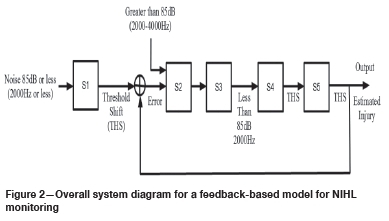
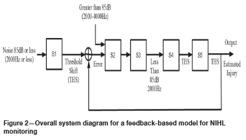
Occupational noise-induced hearing loss (ONIHL) is classified as the leading work-related disability in the mining industry. ONIHL has a negative impact, on not only the health and occupational productivity of affected individuals, but arguably also on the country's mining industry and economy. Hearing conservation programmes (HCPs) are an effective strategy in the management of ONIHL. However, current literature indicates that HCPs are not achieving the anticipated and desired outcomes in the South African mining sector despite the efforts focused on the management of ONIHL. Therefore, the purpose of this study is to propose the use of a feedback-based noise monitoring model as a tool for monitoring and managing ONIHL in the South Africa's mining sector. This model is a basic static feedback model with practical applications such as estimating, monitoring. and providing quantitative information to aid miners, mining administrators, and policy-makers in decision-making around HCPs. Additionally, the model could form part of an early intervention and management strategy for ONIHL in the workplace. The strength of this model, although currently static, is that it encompasses all the pillars of HCPs and takes into account the policies concerned with the management of ONIHL in the mining sector.
occupational noise; hearing loss; feedback noise-monitoring model; risk management; mining sector
 Thumbnail
 Thumbnail
 Thumbnail
 Thumbnail
 Thumbnail
 Thumbnail
 Thumbnail
 Thumbnail
 Thumbnail
 Thumbnail