Mechanical behaviour of pack carburized AISI 316L austenitic stainless steel
Abstract
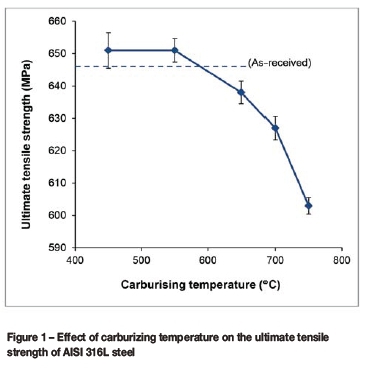
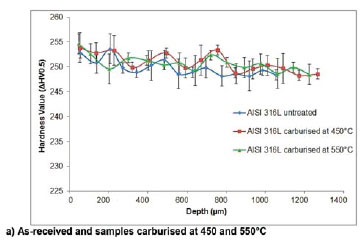
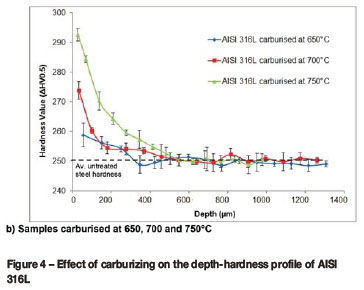
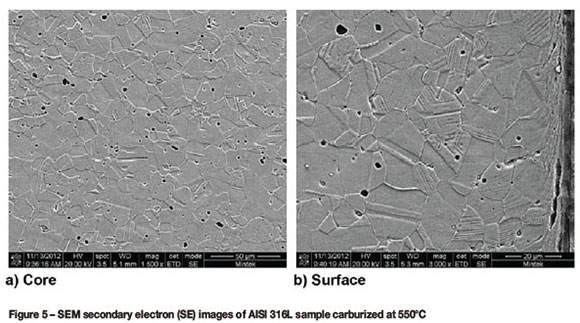
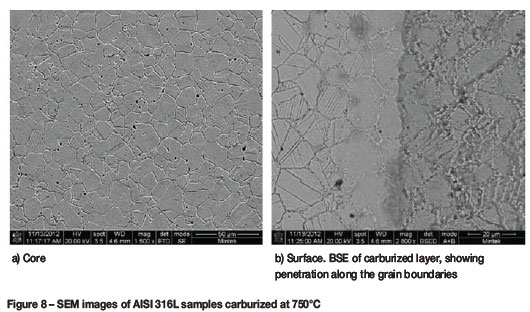
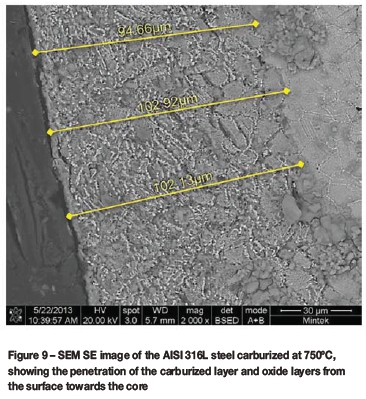
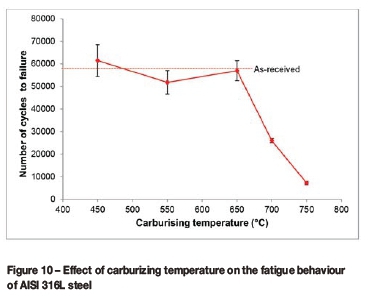
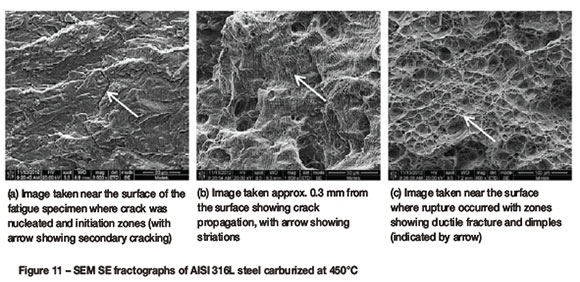
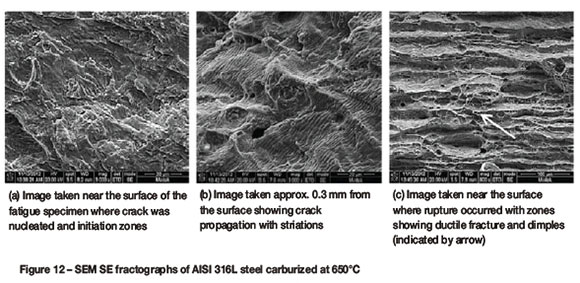
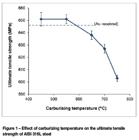
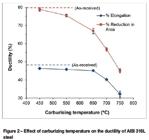
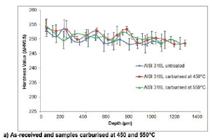
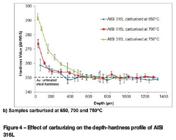
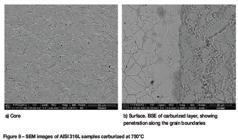
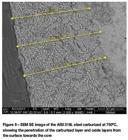
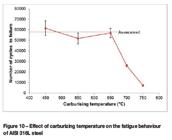
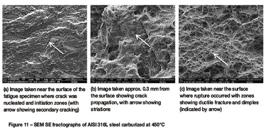
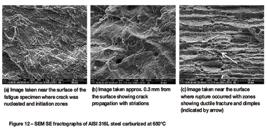
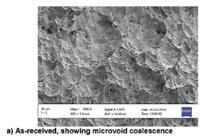
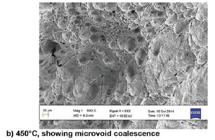
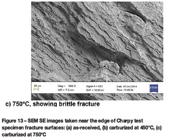
The effect of surface hardening by pack carburizing on the mechanical properties of AISI 316L steel was studied. Pack carburizing with 60 wt% BaCO3, 30 wt% activated carbon, and 10 wt% sodium chloride was carried out at 450, 550, 650, 700, and 750°C for 24 hours and the specimens were furnace-cooled. Tensile, impact, hardness, and fatigue tests were conducted, and SEM and was used to characterize the specimens. The ultimate tensile strength of the as-received steel was similar to specimens carburized at 450 and 550°C (approx. 650 MPa), but decreased from 638 to 603 MPa with further increase in carburizing temperature from 650 to 750°C. Hardness profiles of the specimens treated at 450°C and 550°C were similar to the as-received steel, at approximately 250 HV0.5. Typical case hardening profiles were obtained for specimens carburized at 650, 700, and 750°C. The number of cycles to failure (N) of the as-received specimens was close to 60 000, which was similar to those carburized from 450 to 650°C. Further increase in carburizing temperature decreased the cycles to failure to approximately 25 000 (700°C) and 7000 cycles (750°C). Crack initiation was mainly characterized by cleavage (mode I) for all tested carburized and as-received specimens. Specimens carburized at 450, 550, and 650°C also showed secondary cracking. The final rupture zone contained ductile fracture with dimples, and the specimens showed extensive plastic deformation.
316L austenitic stainless steel; mechanical behaviour; fractography; pack carburizing
 Thumbnail
 Thumbnail
 Thumbnail
 Thumbnail
 Thumbnail
 Thumbnail
 Thumbnail
 Thumbnail
 Thumbnail
 Thumbnail
 Thumbnail
 Thumbnail
 Thumbnail
 Thumbnail
 Thumbnail
 Thumbnail