Poor sampling, grade distribution, and financial outcomes
Abstract
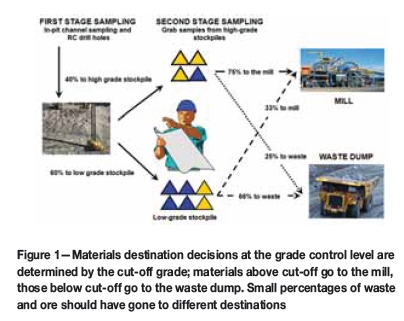
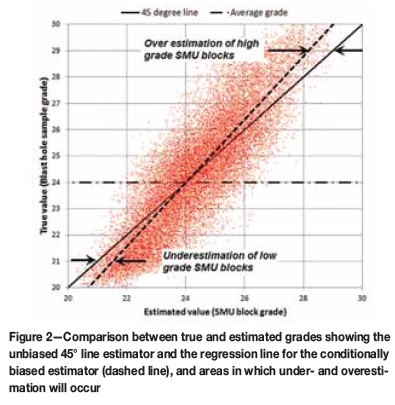
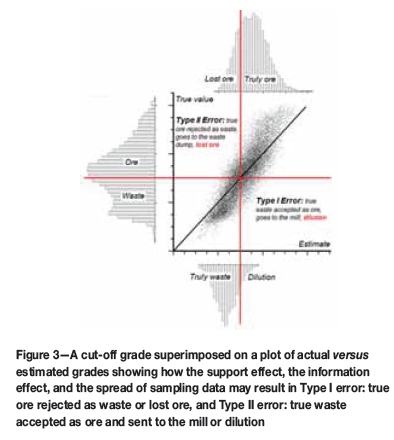
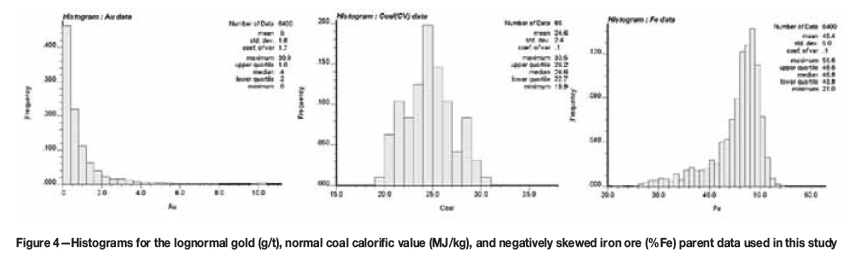
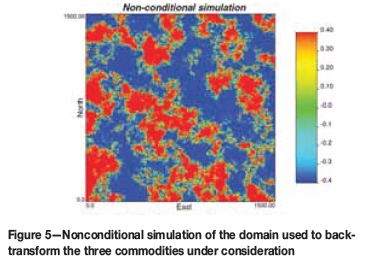
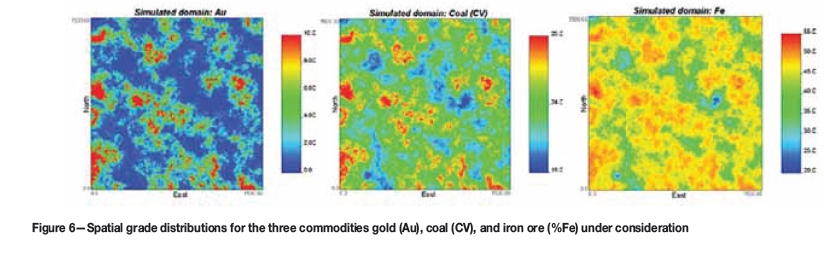
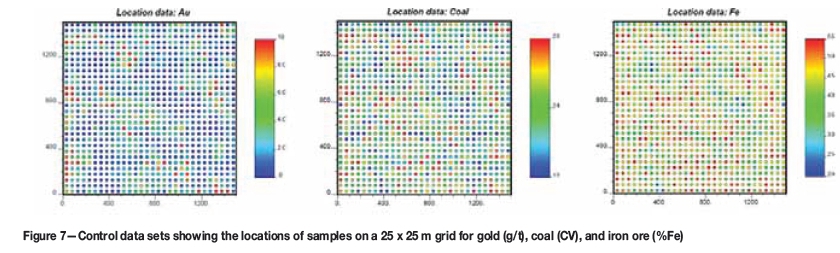
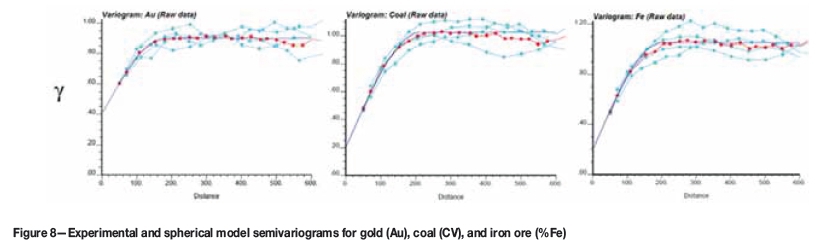
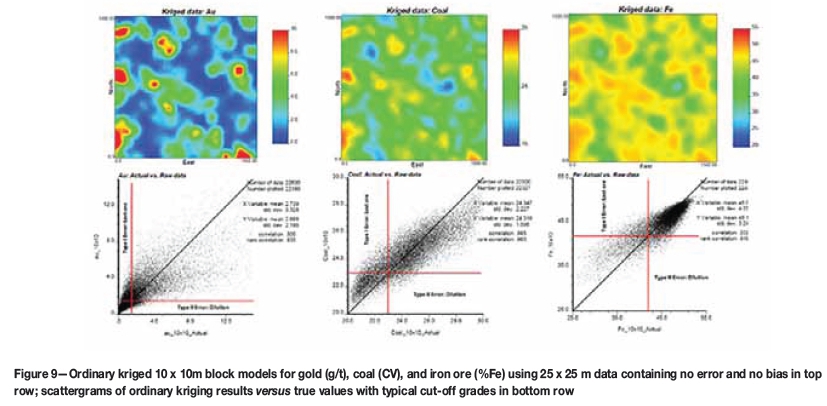
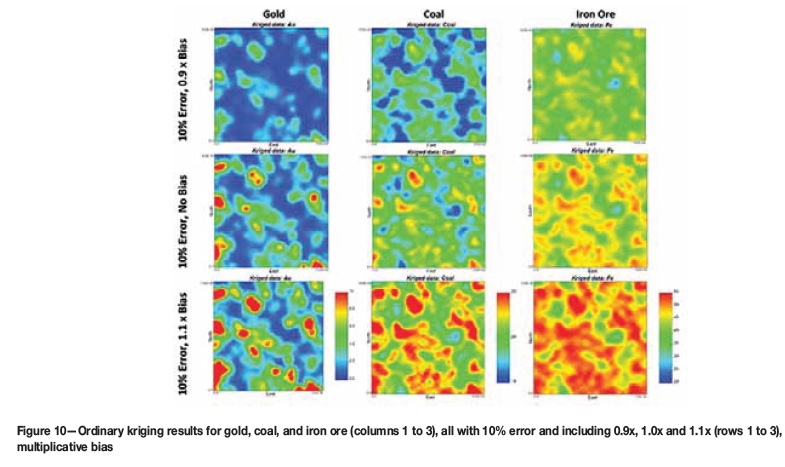
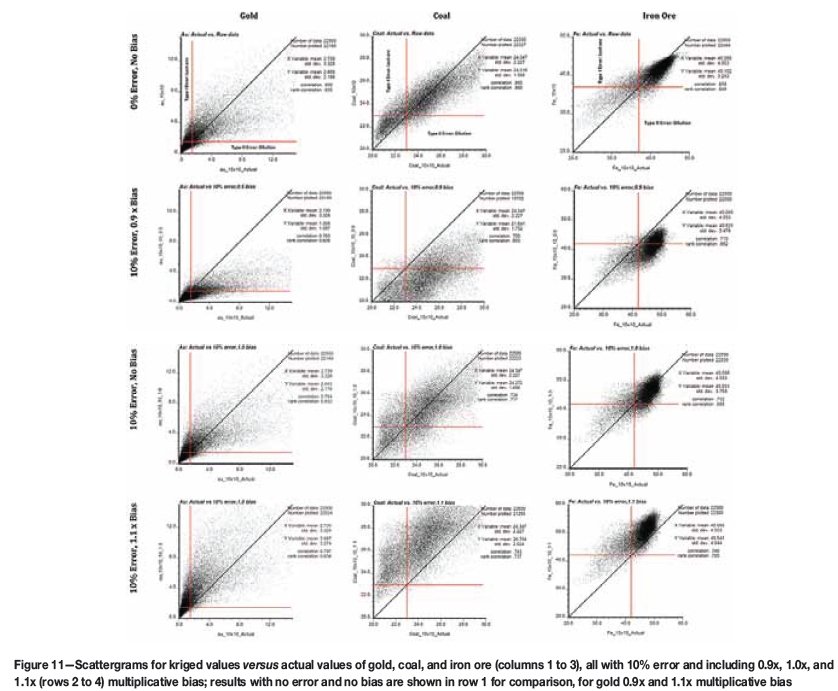
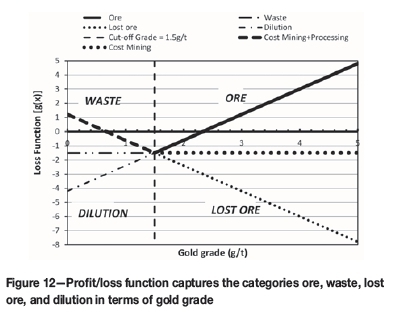
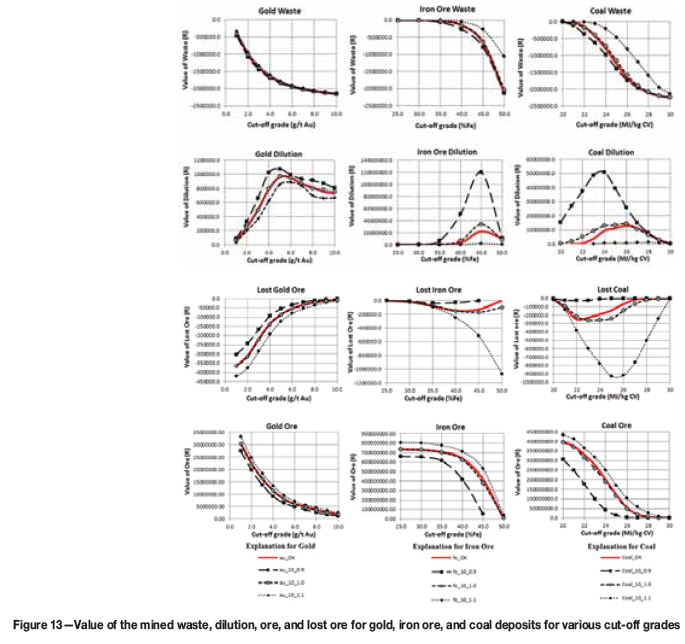
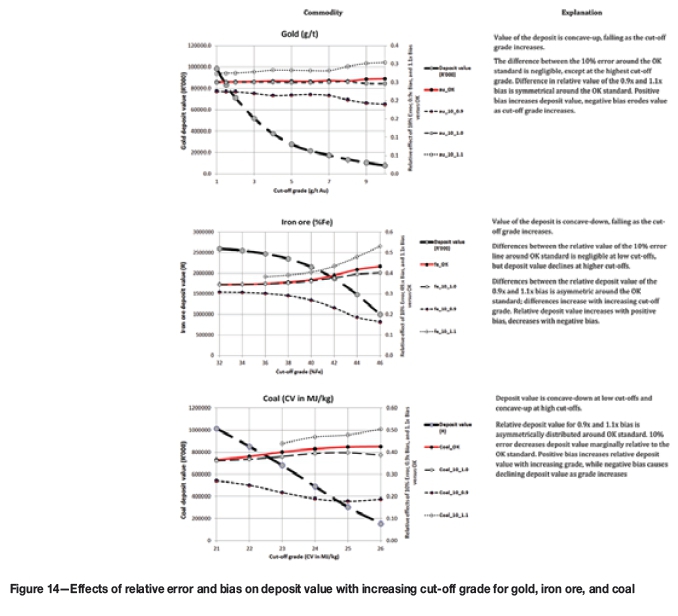
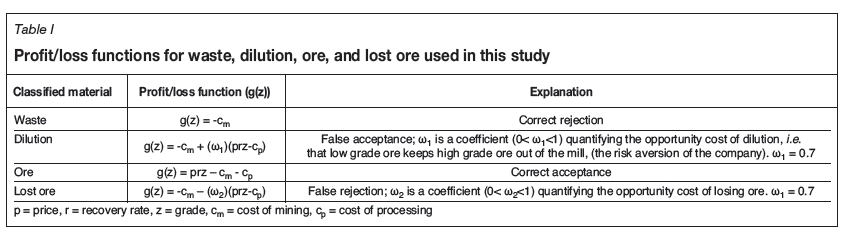
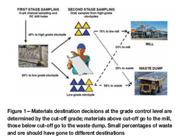
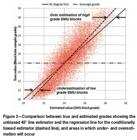
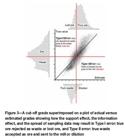
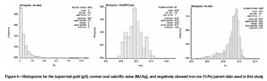
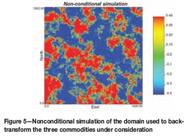
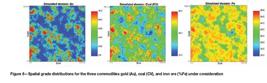
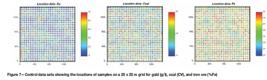
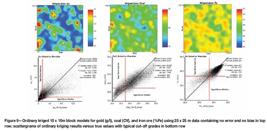
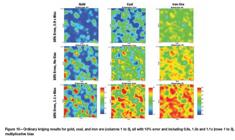
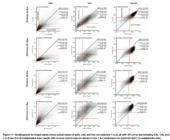
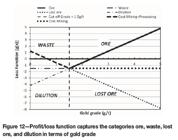
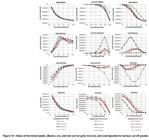
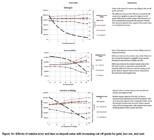
This study examines the problems faced by open pit mine superintendents who make choices about how to direct their materials, either to the waste dump or to the mill. The paper explores the effects of introducing a 10% sampling error and a 0.9-times to 1.1-times sampling bias on positively skewed distributions for precious and base metals, negatively skewed distributions in the case of bulk commodities, and normal distributions as is the case for coal deposits. Parent distributions for each commodity were created on a 25 x 25 m grid using transformations of gold, iron ore, and coal data-sets, spatially based on a nonconditional Gaussian simulation. Ordinary kriging of grades for the three commodities into a 10 x 10 m grid provided the reference case against which the distributions with the sampling error and sampling bias for the commodities were compared. Imposing cut-off grades on the actual- versus-estimated scatterplots of the three commodities allowed the distributions to be classified into components of waste, dilution, ore, and lost ore. Ordinary kriging of values for each deposit type acted as the reference data-set against which the effects and influence of 10% sampling error and 0.9-times to 1.1-times sampling bias are measured in each deposit type. Indications are that the influence of error and bias is not as significant in gold deposits as it is in iron ore and coal deposits, where the introduction of small amounts of error and bias can severely affect the deposit value.
sampling error; sampling bias; grade distribution; skewness
 Thumbnail
 Thumbnail
 Thumbnail
 Thumbnail
 Thumbnail
 Thumbnail
 Thumbnail
 Thumbnail
 Thumbnail
 Thumbnail
 Thumbnail
 Thumbnail
 Thumbnail
 Thumbnail