Synthesis of 3-hydroxy-2-naphthyl hydroxamic acid collector: flotation performance and adsorption mechanism on bastnaesite
Abstract
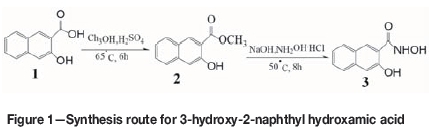
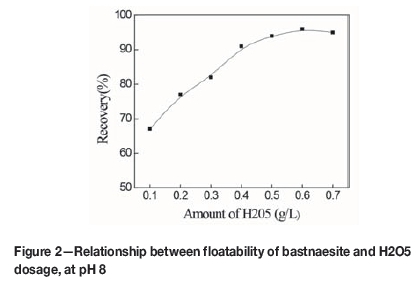
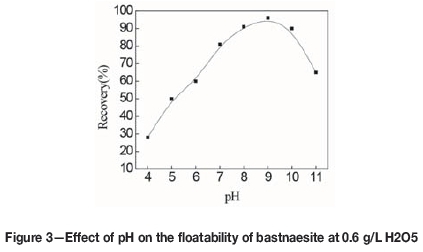
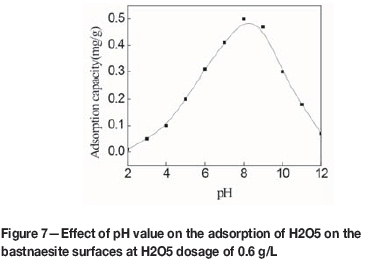
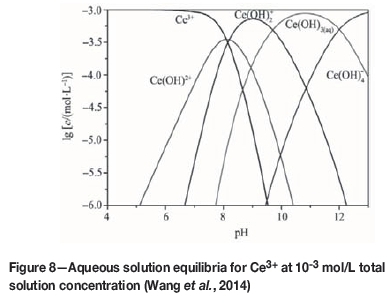
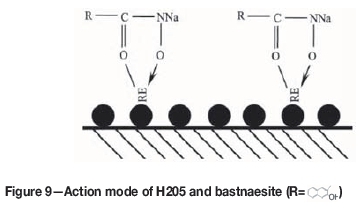
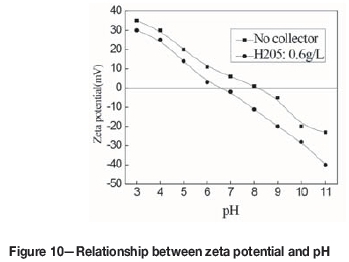
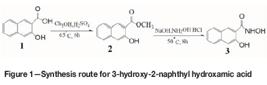
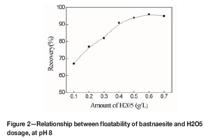
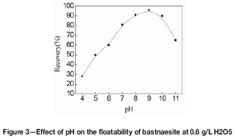
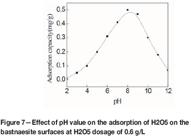
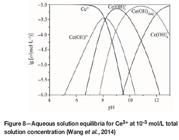
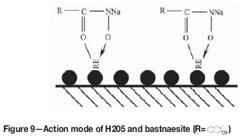
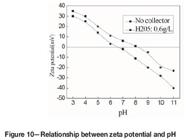
The synthesis of 3-hydroxy-2-naphthyl hydroxamic acid (H2O5) as a collector for bastnaesite is described. The flotation performance of H2O5 with respect to bastnaesite was investigated by flotation tests, measurements of the surface adsorption capacity, and polarizing microscopy. The results indicated that H2O5 exhibits superior collecting performance compared with direct flotation recovery of bastnaesite, with recoveries above 90% at pH 8-9. The adsorption mechanism of H2O5 on bastnaesite was studied by solution chemistry analysis and Ç-potential tests. The results showed that the adsorption of H2O5 is associated with the types and concentrations of hydrolysis products of rare earth cations on the bastnaesite surface. At pH 8-9, the hydrolysis-dominant components RE(OH)2+ and RE(OH)2+ of the rare earth cations were adsorbed onto the bastnaesite surfaces, which were considered to be the major positive active points and were beneficial to chemical adsorption of the reagents. The pH range of 7-10 was optimum for bastnaesite floatability, and the adsorption of H205 on bastnaesite was by means of chemical adsorption through formation of a five-membered ring chelate.
3-hydroxyl-2-naphthyl hydroxamic acid (H205); flotation; bastnaesite; chemical adsorption
 Thumbnail
 Thumbnail
 Thumbnail
 Thumbnail
 Thumbnail
 Thumbnail
 Thumbnail
 Thumbnail