Communication constraints in the safety system on South African mines and implications for the exercise of the Right to Refuse Dangerous Work
Abstract
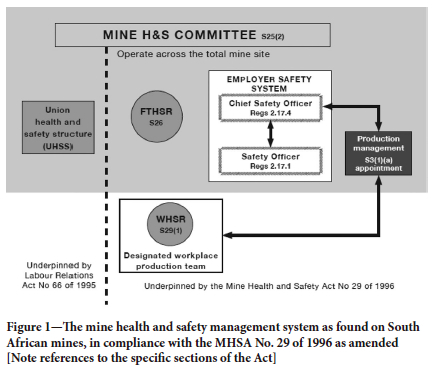
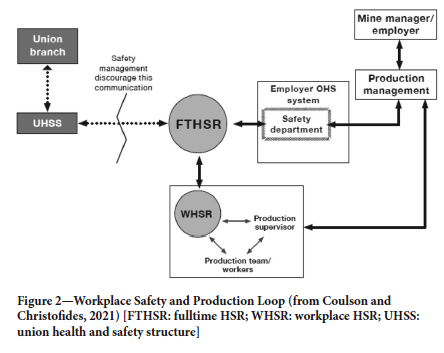
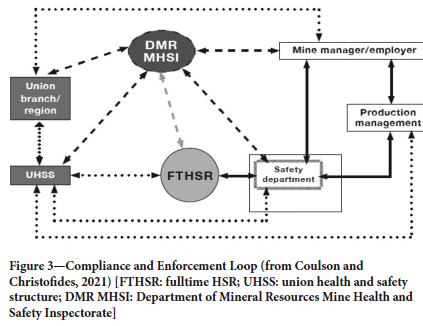
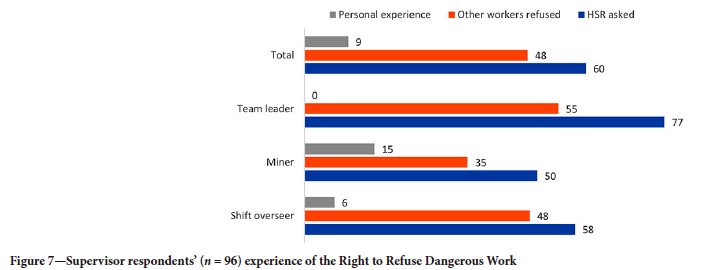
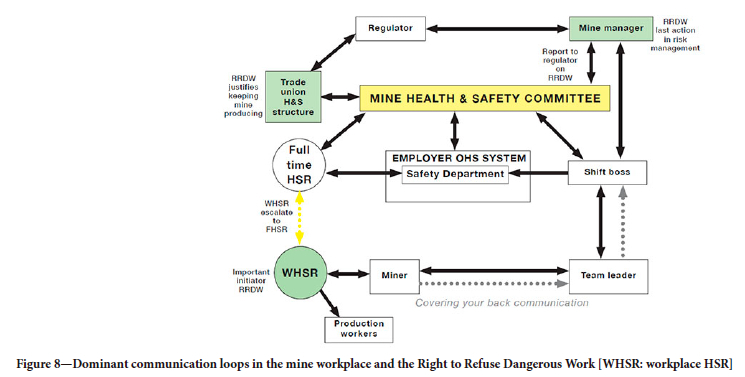
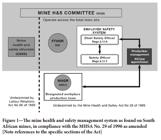
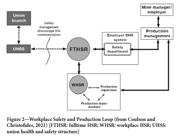
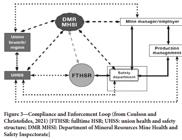
The Mine Health and Safety Act No. 29 of 1996, as amended, embeds an occupational health and safety management system that facilitates communication between representatives of the state, capital, and labour. In underground mines, two communication loops between these role players serve to separate the production chain of command from the political tripartite relations. Worker-elected health and safety representatives are involved in both communication loops, but are severely constrained in escalating their occupational health and safety concerns to the legal-political level. This has a direct bearing on the exercise of the Right to Refuse Dangerous Work (RRDW). As previously reported, health and safety representatives were found to primarily consult their production supervisors in preference to their trade-union representatives. This follow-up article presents production supervisor perspectives on the RRDW. The study demonstrates how, for mineworkers, the two distinct communication subsystems constrain, rather than facilitate, implementation of the RRDW.
South African mines; worker safety; health and safety representatives; safety system; Right to Refuse Dangerous Work
 Thumbnail
 Thumbnail
 Thumbnail
 Thumbnail
 Thumbnail
 Thumbnail
 Thumbnail
 Thumbnail