Comparison of the Committee for Mineral Reserves International Reporting Standards Template-based mineral reporting codes with implications for mine planning in mineral development projects
Abstract
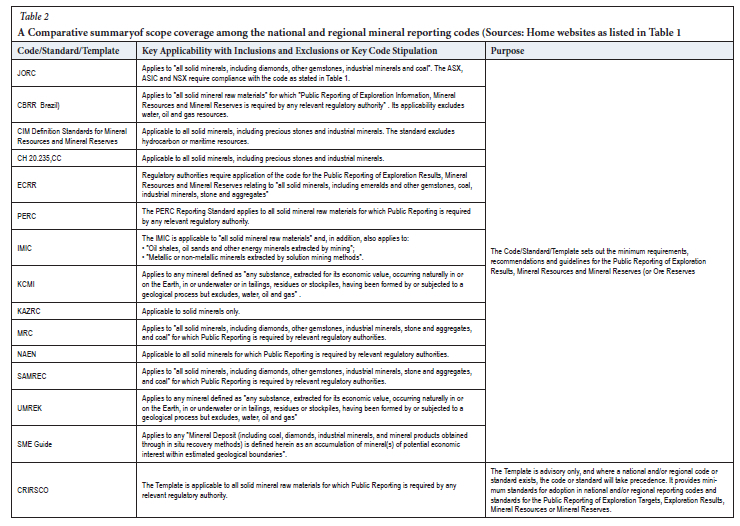
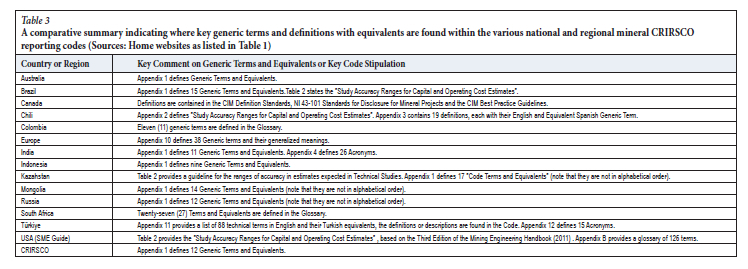
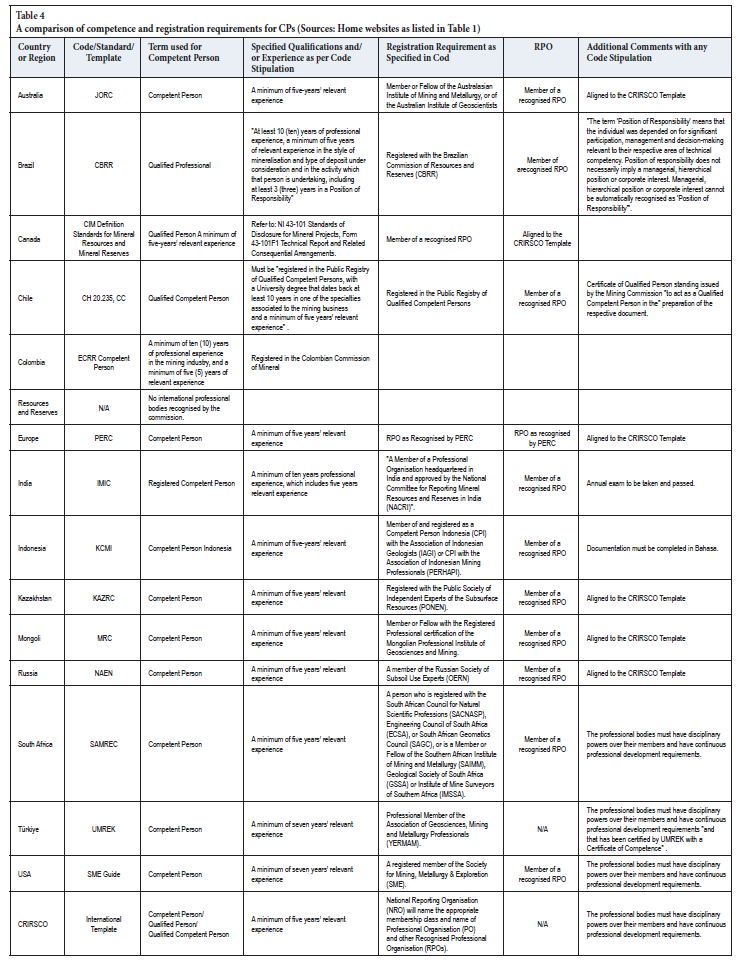
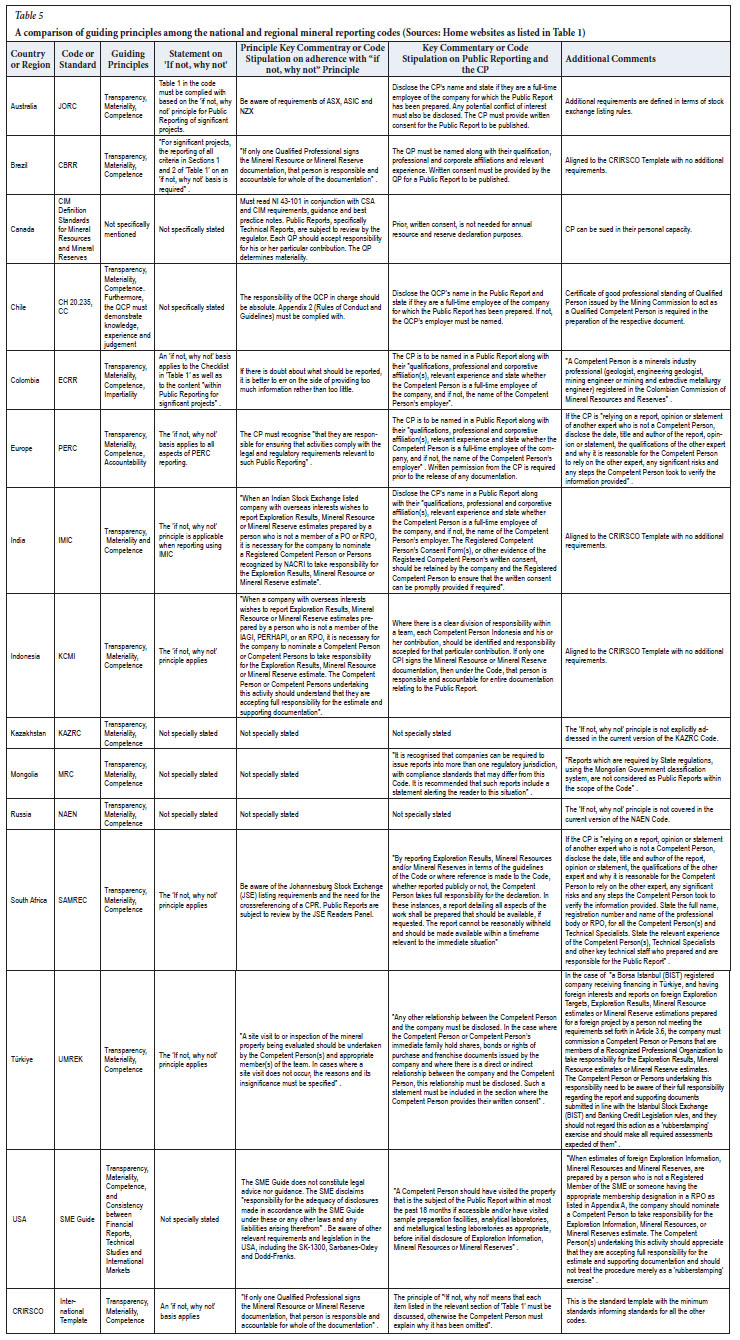
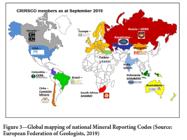
From 2022 to 2040, the global demand for mineral commodities is projected to increase by four-fold to six-fold, largely due to traditional drivers such as population growth and urbanisation compounded by the adoption of decarbonisation technologies that are more mineral intensive than fossil fuel technologies. To meet this projected demand, companies operating in the minerals industry should accelerate the development of mineral projects. Since most of the companies generally operate in multiple geographical, regulatory or legislative jurisdictions, it is critical that the information on Mineral Resources and Mineral Reserves they report on in the public domain should be comparable and consistent across different jurisdictions. The Committee for Mineral Reserves International Reporting Standards fosters alignment of national and regional mineral reporting codes through an internationally accepted template that creates common technical understanding of definitions, classification, estimation processes and the Public Reporting of Exploration Results, Mineral Resources, and Mineral Reserves. The Committee for Mineral Reserves International Reporting Standards Template-based codes guide reporting at respective national and regional levels. Since mine planning is critical in the conversion of mineral resources to mineral reserves, a shared technical understanding should aid comparability of mine planning results. However, differences persist in the way mine planning results are reported. Unlike most previous studies, which have primarily focused on comparing mineral reporting codes, this paper updates and extends such comparisons by exploring how similarities or differences in reporting should influence the mine planning process. It also recommends some principle and process changes to assist mine planning professionals to improve consistency and comparability in reporting mine planning results.
CRIRSCO; national reporting codes; mine planning; Competent Person (CP); Competent Person's Report (CPR); Public Reporting
 Thumbnail
 Thumbnail
 Thumbnail