Understanding aqueous-in-organic entrainment in copper solvent extraction
Abstract
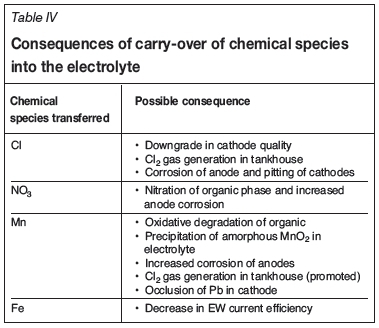
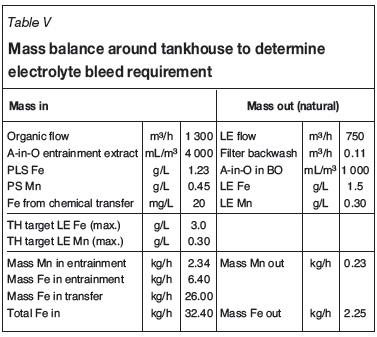
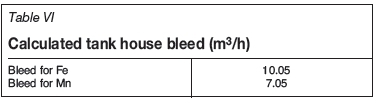
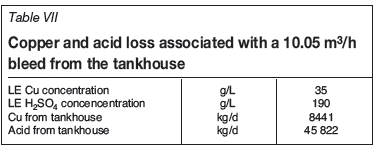
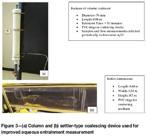
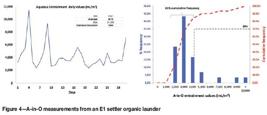
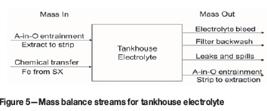
In copper solvent extraction, aqueous-in-organic entrainment results in the carry-over of unwanted species into the electrowinning process with negative cost implications. The need to bleed is increased and the purity of the copper cathode is potentially compromised, depending on the impurities being transferred (Cl, NO3, Fe, Mn). In some cases, entrainment results in elevated levels of manganese in the electrolyte which can cause oxidative conditions to develop and degradation of the organic phase. Degraded organic phase detrimentally affects the physical performance of the copper solvent extraction process, contributing to even higher aqueous-in-organic entrainment. Aqueous entrainment may be minimized through good operating practices and maintenance of the organic quality, but the accurate measurement of entrainment remains a challenge. This paper presents coalescing devices designed to provide more exact measurements of aqueous-in-organic entrainment.
copper solvent extraction; aqueous entrainment; measurement techniques; minimization
 Thumbnail
 Thumbnail
 Thumbnail
 Thumbnail
 Thumbnail