Modes of arsenic occurance in coal slime and its removal: a case study at the Tanggongta Plant in Inner Mongolia, China
Abstract
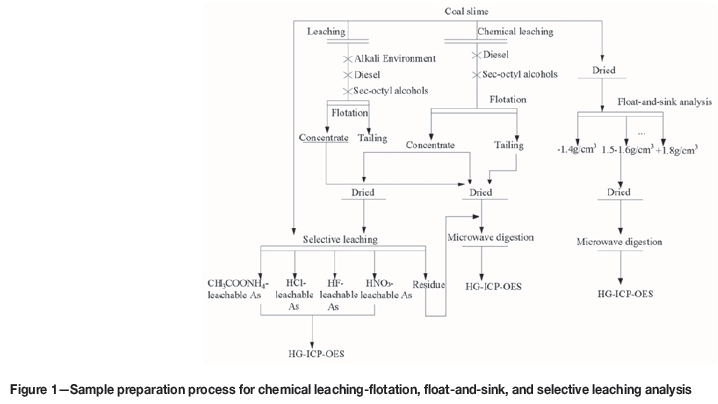
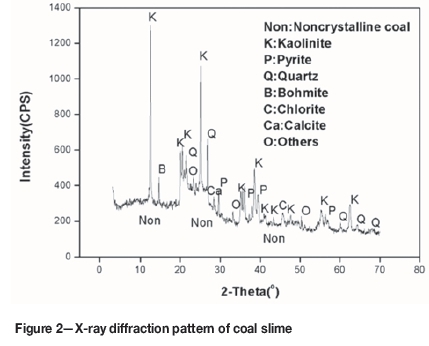
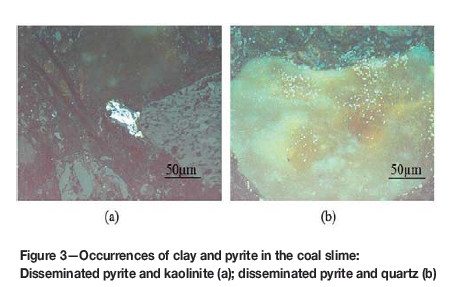
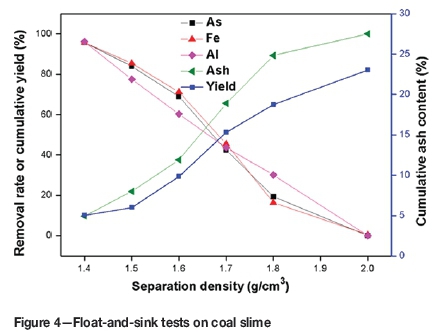
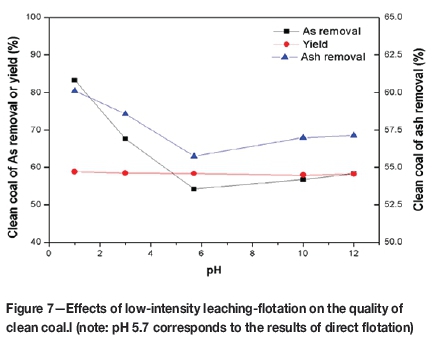
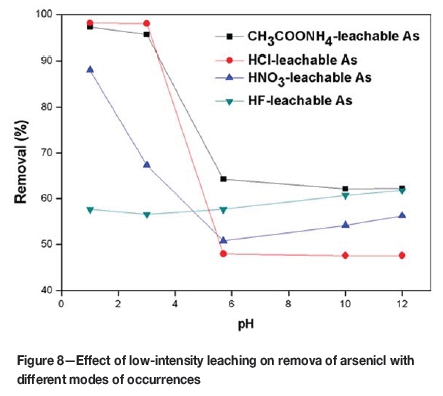
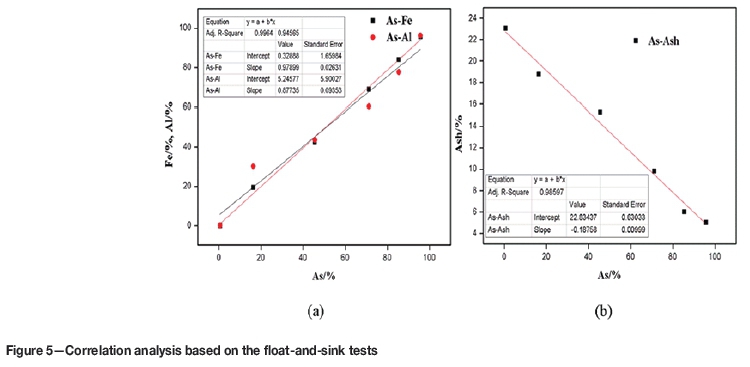
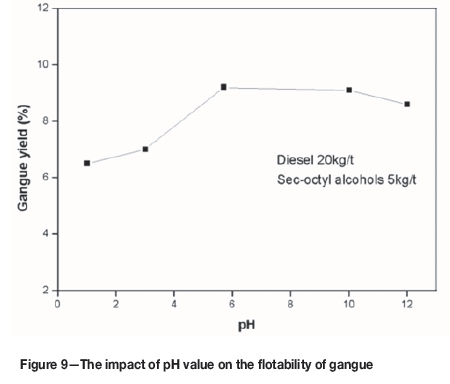
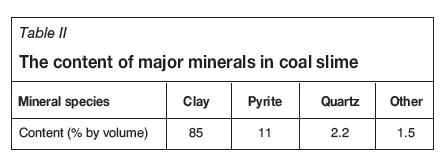
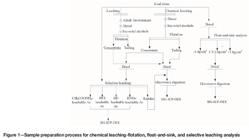
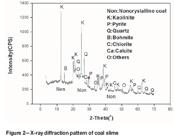
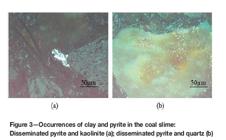
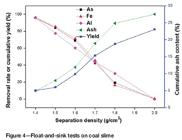
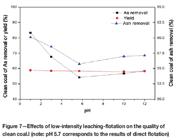
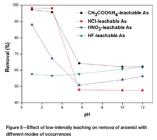
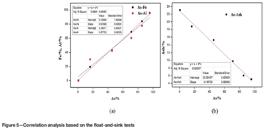
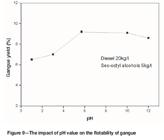
The modes of occurrence of arsenic and the effects of low-intensity leaching-flotation on arsenic removal from coal slime from the Tanggongta Plant, Inner Mongolia, China were investigated. The coal slime was examined using hydride generation inductively coupled plasma optical emission spectrometry and X-ray diffraction to obtain the content of elements and the major minerals. The modes of occurrence of arsenic in minerals were determined using selective leaching, float-and-sink analysis, and polarized light microscopy. The results indicate that pyrite is the dominant carrier of arsenic in the coal slime, which predominantly exists in association with clay. Significant proportion of the arsenic is removed by a low-intensity leaching-flotation process, consistent with the data from selective leaching and flotation of gangue. The results show that low intensity leaching-alkali washing-flotation is more efficient than direct flotation and low-intensity leaching-flotation.
arsenic removal; coal slime; low-intensity leaching; flotation
 Thumbnail
 Thumbnail
 Thumbnail
 Thumbnail
 Thumbnail
 Thumbnail
 Thumbnail
 Thumbnail
 Thumbnail