Real-time material tracking: Testing the suitability of microdot technology for ore tracking
Abstract
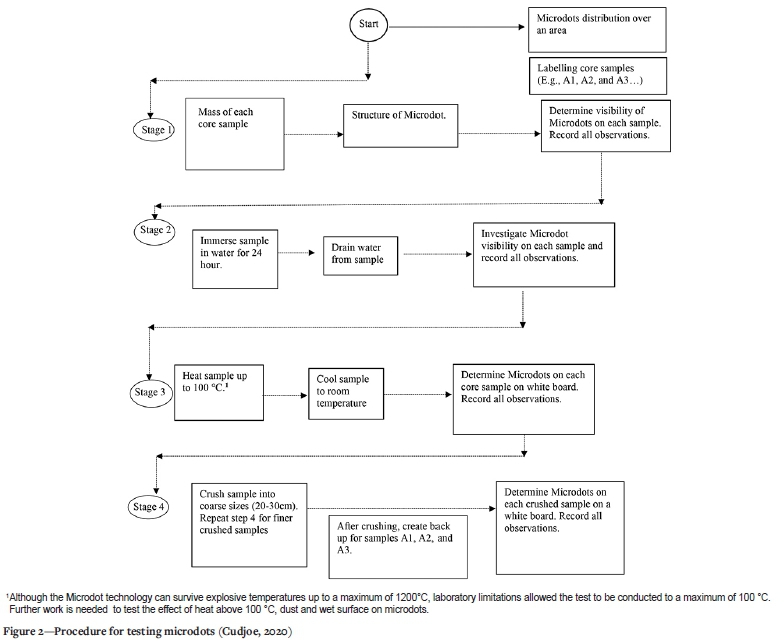
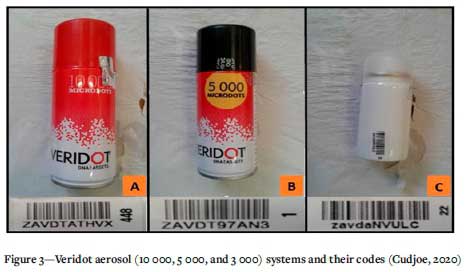
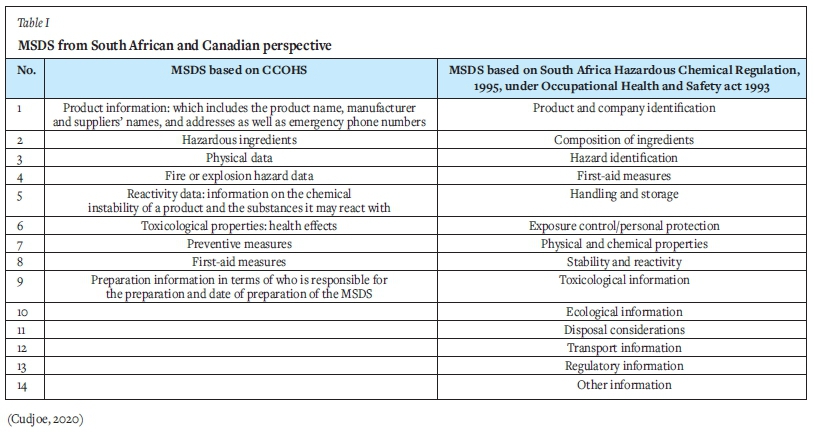
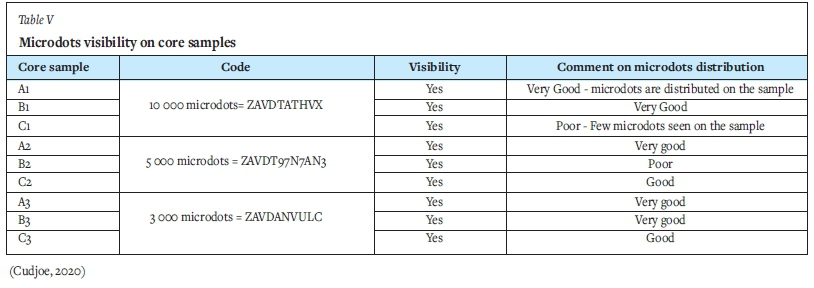
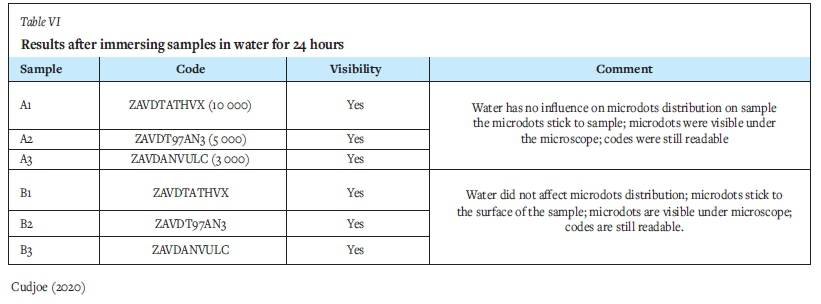
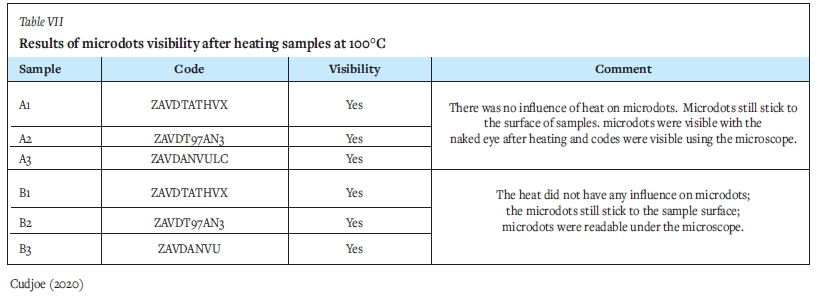
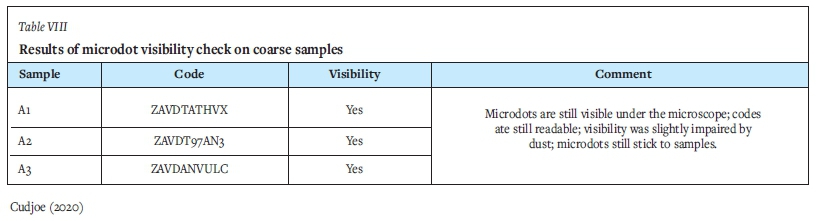
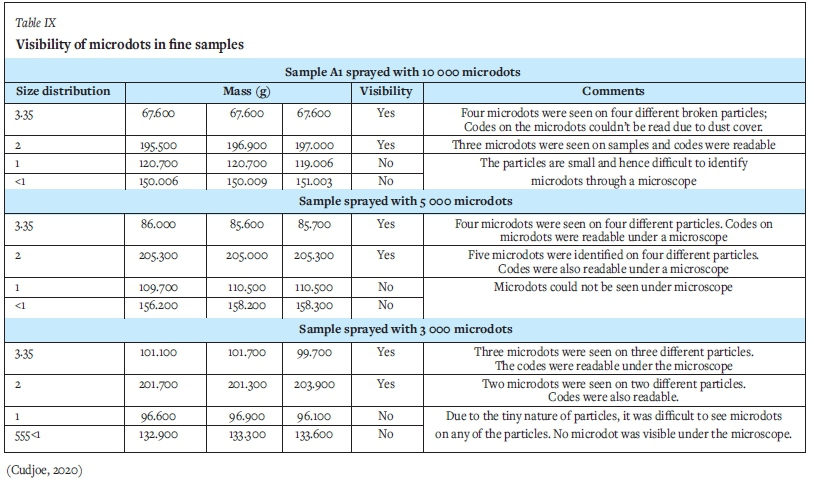
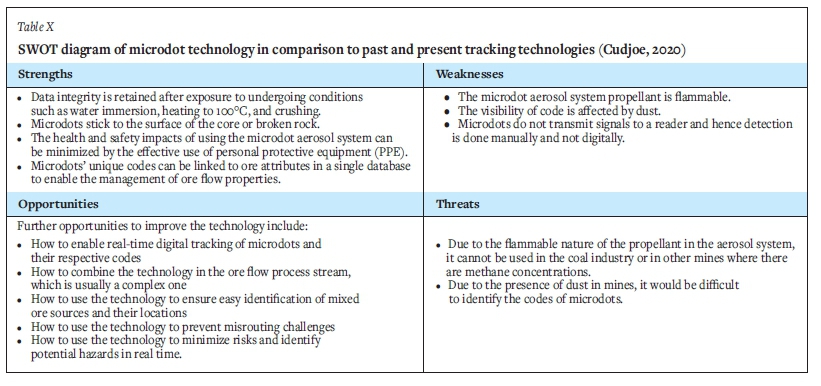
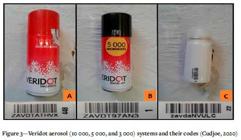
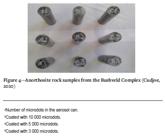
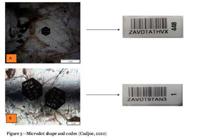
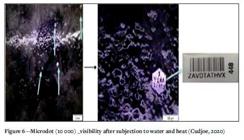
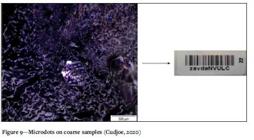
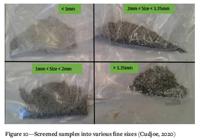
The ability to conduct real-time material tracking in mines has been a long-standing challenge. Technological innovations such as radio frequency identification technology (RFID) have over the years contributed to the effective tracking of material flow and reporting of metal content. This paper outlines the laboratory procedures and results from testing the suitability of microdot technology as a viable technique for real-time material tracking in mining. The paper clarifies the reasons for conducting the test and presents the material safety data sheet (MSDS) from a South African and Canadian perspective. Microdots from three aerosol systems were immersed in water, heated to 100°C, and crushed into coarse and fine material. These tests were used to ascertain if the technology could withstand mining conditions. A strength, weakness, opportunity, and threat (SWOT) analysis was used to evaluate and compare microdot technology with RFID. It was shown that microdot technology has some potential to track ore parcels because data integrity was retained after exposure to post-blast mining conditions. However, more improvement is required to digitally detect microdots before the technology can be implemented at scale in the mining industry.
microdot; technology; radio frequency identification technology; ore tracking; material safety data sheet; core samples; fine samples
 Thumbnail
 Thumbnail
 Thumbnail
 Thumbnail
 Thumbnail
 Thumbnail
 Thumbnail
 Thumbnail