Integrating diamond breakage into existing kimberlite geometallurgical frameworks: A perspective
Global natural diamond production is in decline, with several major mines nearing depletion and few new Tier 1 kimberlite deposits being identified. As supply tightens, every recovered carat becomes more economically significant, particularly for larger high-value stones. In this context, reducing diamond breakage during processing has become essential for sustaining value in modern kimberlite operations. Previous research indicates that the mechanical behaviour of natural diamonds is influenced by a range of intrinsic characteristics, including size, morphology, propensity for cleavage, inclusion size and abundance, and internal strain. These features influence the distribution of stress within the diamond and can affect the initiation and propagation of fractures during comminution. However, many of these characteristics are difficult to quantify systematically, particularly at the scale required for geometallurgical applications. The destructive nature and cost of mechanical testing further limit the extent to which diamond breakage behaviour can be directly characterised. Consequently, diamond-specific characteristics have received relatively limited consideration within conventional kimberlite geometallurgical approaches. This paper provides a perspective on the current understanding of diamond breakage in kimberlite processing, with consideration of the diamond characteristics that may influence mechanical response and the approaches available for investigating them. Controlled breakage studies using diamond simulants provide insights into energy thresholds, breakage probability, and fragmentation behaviour, including through approaches such as the Tio model, Fmat and progeny size distributions. In parallel, studies of natural diamonds provide evidence for the potential influence of characteristics such as morphology, cleavage expression, inclusion distribution, and internal features on breakage behaviour. Work currently being undertaken at the University of Cape Town provides a practical context for considering these approaches and their application to kimberlite geometallurgy. Together, the literature and these experimental proxies suggest that greater consideration of diamond-specific characteristics with warranted when assessing breakage and value loss during kimberlite processing. However, their relative influence under operational conditions remains poorly constrained, highlighting opportunities for further investigation.
diamond breakage; geometallurgy; impact energy; kimberlite processing; natural diamond properties; simulant testing
Integrating diamond breakage into existing kimberlite geometallurgical frameworks: A perspective
S. BurnessI; S. BremnerI; M. BeckerI; G.H. HowarthII; A.N. MainzaI
ICentre for Minerals Research, Department of Chemical Engineering, University of Cape Town, South Africa. ORCiD: S. Burness https://orcid.org/0000-0003-0542-1480; ORCiD: S. Bremner https://orcid.org/0000-0002-6460-5434; ORCiD: M. Becker https://orcid.org/0000-0002-7025-137X; ORCiD: A.N. Mainza https://orcid.org/0000-0002-9802-2720
IIDepartment of Geological Sciences, University of Cape Town, South Africa. ORCiD: G.H. Howarth https://orcid.org/0000-0001-5008-2399
Global natural diamond production is in decline, with several major mines nearing depletion and few new Tier 1 kimberlite deposits being identified. As supply tightens, every recovered carat becomes more economically significant, particularly for larger high-value stones. In this context, reducing diamond breakage during processing has become essential for sustaining value in modern kimberlite operations. Previous research indicates that the mechanical behaviour of natural diamonds is influenced by a range of intrinsic characteristics, including size, morphology, propensity for cleavage, inclusion size and abundance, and internal strain. These features influence the distribution of stress within the diamond and can affect the initiation and propagation of fractures during comminution. However, many of these characteristics are difficult to quantify systematically, particularly at the scale required for geometallurgical applications. The destructive nature and cost of mechanical testing further limit the extent to which diamond breakage behaviour can be directly characterised. Consequently, diamond-specific characteristics have received relatively limited consideration within conventional kimberlite geometallurgical approaches.
This paper provides a perspective on the current understanding of diamond breakage in kimberlite processing, with consideration of the diamond characteristics that may influence mechanical response and the approaches available for investigating them. Controlled breakage studies using diamond simulants provide insights into energy thresholds, breakage probability, and fragmentation behaviour, including through approaches such as the Tio model, Fmat and progeny size distributions. In parallel, studies of natural diamonds provide evidence for the potential influence of characteristics such as morphology, cleavage expression, inclusion distribution, and internal features on breakage behaviour. Work currently being undertaken at the University of Cape Town provides a practical context for considering these approaches and their application to kimberlite geometallurgy. Together, the literature and these experimental proxies suggest that greater consideration of diamond-specific characteristics with warranted when assessing breakage and value loss during kimberlite processing. However, their relative influence under operational conditions remains poorly constrained, highlighting opportunities for further investigation.
Keywords: diamond breakage, geometallurgy, impact energy, kimberlite processing, natural diamond properties, simulant testing
The evolving diamond sector in Africa
Southern Africa has played a defining role in the development of the modern diamond industry. Following the discovery of alluvial diamonds along the Orange and Vaal rivers in the late nineteenth century, the recognition of diamond-bearing kimberlite established a primary source for diamond production and underpinned the development of the South African diamond industry (Janse, 1995). More than a century later, Africa remains central to global natural diamond production, although the distribution of production across the continent is changing. In 2025, Botswana and Angola produced 15.50 and 15.20 million carats, respectively, while South Africa produced 5.57 million carats (Kimberley Process, 2026). Angolan production increased from 9.75 million carats in 2023 to 15.20 million carats in 2025, while South African production has steadily declined from 9.72 million carats in 2021 to 5.57 million carats in 2025. These changes form part of a broader contraction in global mined diamond supply, which fell to 98.8 million carats in 2025, its lowest level in the Kimberley Process record since 2015 (Kimberley Process, 2026). This contraction reflects both declining production from mature mining operations and the closure of major mines, including Australia's Argyle mine, which ceased production in 2020 (Rio Tinto, 2020). Also, the natural diamond sector is facing increasing competition from laboratory-grown diamonds produced by high-pressure high-temperature (HPHT) and chemical vapour deposition (CVD) methods, of which the growing market presence has contributed to changing consumer demand and pricing dynamics (Natural Resources Canada, 2026; De Beers, 2026). Together, these supply- and market-side changes are increasing the importance of preserving the size, quality and value of diamonds recovered from existing natural-diamond operations.
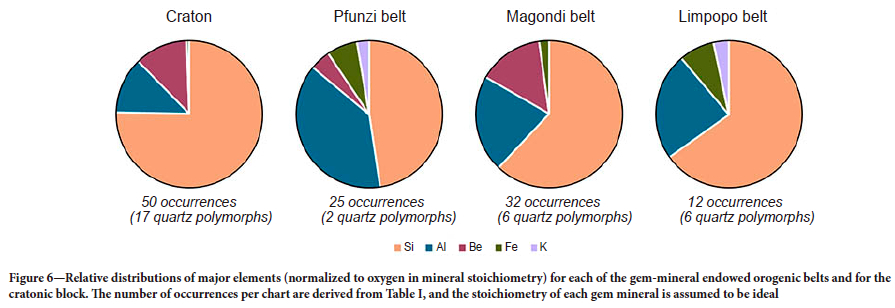
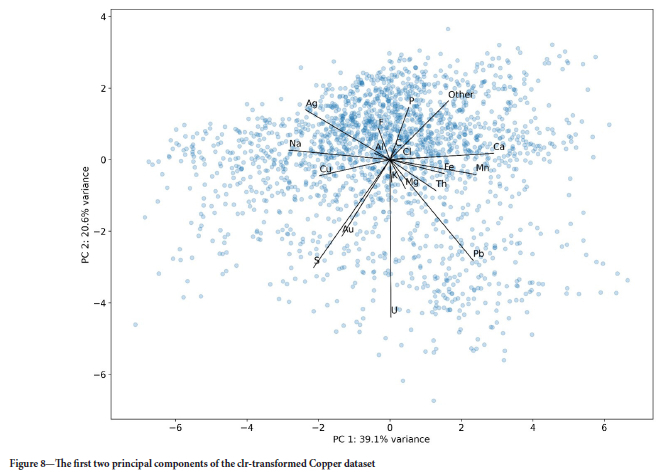
As production becomes increasingly constrained, the preservation of diamond value throughout the mining and processing chain becomes increasingly important. This is particularly relevant where deposits contain a significant proportion of large, high-value diamonds, such as those recovered from the Lulo area of Angola, where exceptionally large and premium Type IIa diamonds have been documented (Price et al., 2024). The industry has responded in part through changes to processing technology and flowsheet design intended to reduce the exposure of liberated diamonds to processing conditions that may promote breakage. X-ray transmission (XRT) recovery, for example, can be incorporated into diamond-processing circuits to identify and recover liberated large diamonds before further handling, pumping and crushing, thereby reducing their exposure to downstream processes that may cause fracture or breakage (Van Niekerk et al., 2016; Voigt et al., 2019; De Hager, Houghton, 2024). These developments reflect an increasing emphasis on not simply recovering diamonds but recovering them in a condition that preserves their size, quality, and value.
At the same time, geometallurgy has developed as a means of accounting for the spatial variability of ore and its influence on processing performance. Rather than treating an orebody as a homogeneous feed, geometallurgical approaches integrate geological and material properties with process-response models to identify domains with different processing behaviour (Lechuti-Tlhalerwa et al., 2019). In kimberlite, these properties can include rock type; rock-mass and strength characteristics such as rock quality designation (RQD), which describes the degree of fracturing and quality of the rock mass, and uniaxial compressive strength (UCS), which measures the strength of intact rock, as well as comminution parameters derived from drop-weight testing, including specific energy (t10), which describes the proportion of fragments generated below one-tenth of the original particle size, and A × b, a parameter used to characterise resistance to impact breakage. Chemical assays, grade, alteration, mineralogy, and other in situ characteristics may also be incorporated to capture spatial variability (Lechuti-Tlhalerwa et al., 2018). These properties are spatially characterised to define domains with distinct processing responses, which can then inform mine planning and plant optimisation. At Orapa, for example, geometallurgical modelling has incorporated ore hardness (UCS), smectite clay content and DMS yield to identify treatability challenges and inform ore blending, with quantitative simulation subsequently used to evaluate throughput, equipment effectiveness, and power and water consumption, as illustrated in Figure 1 (Gilika, Van der Westhuyzen, 2023).
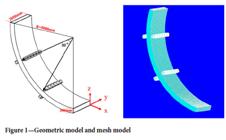
Diamond populations are already fundamental to kimberlite evaluation and resource characterisation. Indicator minerals, particularly mantle-derived garnets, have long been used to assess diamond prospectivity and mantle source characteristics (Gurney, 1984; Grütter et al., 2004), while microdiamond and macrodiamond data provide essential information on diamond populations and their size distributions. Size-frequency distributions (SFD) are routinely used to characterise diamond populations and support assessment of diamond grade and value, while recognising the limitations associated with sampling, recovery, and the relationship between microdiamond and macrodiamond populations (Chapman, Boxer, 2004). The challenge is therefore not to establish the importance of diamond populations or breakage in kimberlite evaluation, but to integrate this knowledge within a geometallurgical framework that already accounts for the spatial variability of the kimberlite host rock and the processing conditions imposed by the comminution circuit. Such integration could extend existing geometallurgical approaches by identifying where combinations of host-rock properties and processing conditions may increase the risk of diamond fracture or breakage, and how this may ultimately influence the recovered diamond population and associated value.
Towards a geometallurgical framework for predicting diamond breakage
Simplistically, a geometallurgical framework begins with numerical or categorical input features (primary variables), which can be quantified and grouped into geologically meaningful categories (domains), to model measurable outcomes (predicted responses or targets) that inform objectives such as metallurgical performance or recovery goals. Developing such a framework for predicting diamond recovery and breakage requires incorporating diamond-specific features with measurable strength and fracture properties of diamond, alongside more traditional host-rock properties, e.g., kimberlite facies or units, country rock dilution, density etc.
The strength and fracture properties of natural diamonds are inherently difficult to measure, which may explain why these constraints are often omitted from existing geometallurgical models. Unlike most ore samples, where size, shape, and purity can be reasonably constrained, diamond crystals are typically small, with considerable range in shape, and can often contain internal strain; but more importantly, diamonds are not uniform or fungible. Assessing impurities and defects generally requires detailed visual investigations observed by trained individuals, which are often siloed from studies of physical responses during recovery. In addition, strength testing is costly, as it commonly involves damaging or destroying the diamonds. Despite these challenges, several key diamond characteristics and their influence on how diamonds respond to applied stresses can be identified. In some cases, the literature provides reasonably well-constrained numerical values for specific responses, while in others significant uncertainty remains, highlighting the need for further targeted research.
This paper brings together the principal features and response variables controlling natural diamond breakage and identifies opportunities for further proxy testing to refine our understanding of breakage during kimberlite processing to inform geometallurgical modelling.
Fundamental diamond traits affecting resource estimation and fracture susceptibility
Diamond grade and its spatial distribution are primary parameters in geometallurgical models, as they underpin both resource estimation (Bush, 2010) and downstream processing decisions. Microdiamonds, recovered from small (5 kg - 20 kg) drill core samples using caustic fusion or acid dissolution, provide high-resolution data on stone counts per kilogram and enable detailed mapping of grade variability across a kimberlite at relatively low cost. In contrast, macrodiamonds, obtained from large-diameter drilling or bulk sampling, and recovered through crushing, dense media separation (diamond density = 3.52 g/cm3), X-ray recovery, and/or grease tables, provide measurements of grade in carats per tonne and an indication of the average diamond value. Geological models rely on calibrating microdiamond abundances to macrodiamond grades under the assumption that the size-frequency distribution remains consistent within defined geological domains (Rombouts, 1995; Danoczi, Creighton, 2016; Stiefenhofer et al., 2016; Webb et al., 2024). However, this relationship may introduce uncertainty, as microdiamonds may not fully represent the larger diamond population due to resorption effects and the underrepresentation of rare morphologies, while sampling bias, recovery efficiency, plant configuration, and data quality may further influence the comparability of the datasets and should therefore be considered when integrating them (Nowicki et al., 2018; Stiefenhofer et al., 2016; Haggerty et al., 2019).
Diamond size (expressed in millimetres or carats) and the associated size-frequency distribution (SFD), typically presented as histograms or cumulative curves, describe the relative abundance of diamonds across different size classes (Sasman et al., 2018; Chapman, 2024). Diamonds generally follow a lognormal SFD (Rombouts, 1995), characterised by a high proportion of small diamonds and a progressively decreasing number of larger diamonds. Revenue can be highly influenced by the larger diamonds, particularly if these are of good quality. Size exerts a strong control on fracture behaviour and breakage susceptibility. Larger diamonds can act as stress concentrators within the host rock, increasing the likelihood of fragmentation during volcanic emplacement or blasting (Field, 1992; Fowler et al., 2001), and they experience higher absolute stresses during crushing and handling, making them more prone to breakage, particularly for diamonds greater than ~10 mm to 12 mm (Robb, 2005; Lusinga, 2023). In contrast, smaller diamonds (< 5 mm) are less likely to induce significant fractures in the surrounding rock, are generally liberated more efficiently with minimal damage, and contribute less to stress localisation within the kimberlite. While size is an important control on fracture behaviour and breakage susceptibility, it does not act in isolation, with factors such as diamond quality, internal defects, incomplete liberation, contact geometry, and processing conditions also contributing to breakage behaviour, as discussed below.
A natural diamond has a Mohs hardness of 10, the highest on this relative scale, reflecting the exceptional strength of its covalently bonded carbon atoms and its resistance to scratching. As a more mechanically informative measure, Knoop hardness (Hk) measures a material's resistance to permanent, localised deformation, typically determined by pressing an indenter of known geometry into the crystal surface under a specified load. It reflects the difficulty of scratching or denting a material and is also closely linked to atomic bond strength (Chaudhri, 2020). Diamond hardness varies with crystallographic orientation and structural characteristics (Brookes, 1979). Diamond hardness is anisotropic, meaning hardness depends on the direction of the applied load, with higher values generally observed along the {111} planes. In engineering measurements, Knoop hardness values for single-crystal diamonds typically range from ~70 GPa to 130 GPa, with variability arising from orientation, testing conditions, and defect density (Evans, Phaal, 1962; Sumiya et al., 2023; Chaudhri, 2020). Twinned or mechanically deformed diamonds may exhibit locally reduced hardness due to lattice distortions.
Diamond type, defined by nitrogen and boron impurity contents and the aggregation state of the former, provides additional insight into thermal history and defect structure, and can influence mechanical behaviour. While intrinsic hardness is broadly similar across diamond types, differences in defect populations and internal strain may affect fracture susceptibility: In Type Ia diamonds, nitrogen aggregation and platelet development may contribute to fracture susceptibility; however, Type Ia should not be treated as a homogeneous population, as the nitrogen aggregation state differs substantially between IaA and IaB diamonds; In Type Ib diamonds, isolated nitrogen defects and limited annealing may similarly influence mechanical response, although their extreme rarity in natural diamond populations limits their practical relevance; Type IIa diamonds may be less susceptible to fracture owing to their low impurity content and relatively well-ordered lattice, although their more perfect cleavage may offset this effect, particularly in larger stones, leaving the net influence on fracture susceptibility uncertain. In Type IIb diamonds, boron-related lattice distortion may also modify fracture behaviour (Evans, Phaal, 1962; Sumiya et al., 2023). These interpretations are based on the anticipated effects of physical defect structures, rather than direct evidence of relative fracture susceptibility, and must be tested against systematic diamond breakage data. Laboratory-grown diamond studies provide some supporting evidence, with lower nitrogen concentrations associated with higher tensile strength, hardness, and abrasion resistance (Chrenko, Strong, 1975), although, whether these relationships translate to breakage behaviour in natural diamonds remains to be established.
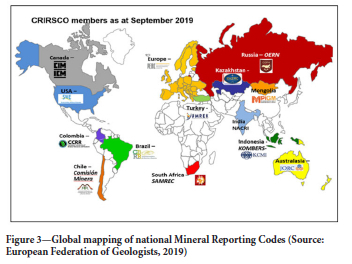
Crystal morphology, including crystal form (Figure 2), aspect ratio, and degree of resorption (Figure 3), exerts a key control on diamond fracture behaviour. Irregular geometries, elongate or thin crystal sections, and sharp edges act as sites of stress concentration and preferential crack initiation. Although quantitative thresholds for these effects are not well constrained in natural diamonds, fracture mechanics principles indicate that sharp features can locally amplify stress by several times the applied load, promoting crack nucleation, particularly in a material with low fracture toughness (brittle behaviour) such as diamond (K1c ~3 MPa m1/2 - 5 MPa m1/2) (Field, 2012). Natural cleavage planes in diamond also strongly influence breakage behaviour, with the {111} planes dominating due to their significantly lower surface energy (~10.6 J m"2) compared to {110} (~13 J m"2) and {100} (~18.4 J m"2), resulting in preferential fracture along these orientations (Telling et al., 2000). Internal structural features including dislocations, microcracks, healed or annealed fractures, and lattice strain represent pre-existing weaknesses that further facilitate crack propagation. These defects commonly develop during diamond growth, mantle residence, and subsequent transport, reinforcing their importance as intrinsic controls on breakage. However, the abundance, distribution, and combined effects of these factors remain poorly constrained in the literature.


The type, abundance, and spatial distribution of mineral inclusions strongly influence diamond mechanics, as elastic mismatches at the inclusion-diamond interface can amplify local stresses and promote crack initiation (Puhan et al., 2025; Smith et al., 2022; Wirth et al., 2009). The most common solid inclusions are sulphides and mantle-derived silicate minerals, such as olivine, garnet, and pyroxenes, which define the principal paragenetic groups (Harris et al., 1979; Stachel et al., 2022). Metallic inclusions,
Diamond fracture and mechanical response to stress
The mechanical response of diamonds to applied forces is a key target variable in geometallurgical modelling, as it governs how diamonds behave under typical blasting, mining, and comminution conditions. During these processes, diamonds may experience compressive, tensile, and shear stresses, with impact loading particularly important during comminution. Their response is described by the stress-strain relationship: at low stresses, diamonds respond elastically, accommodating applied loads through reversible deformation without permanent deformation. This elastic behaviour is characterised by Young's modulus (E), which quantifies material stiffness and describes the relationship between applied stress and elastic strain. For natural diamond, Young's modulus typically ranges from ~1050 GPa to 1200 GPa, depending on crystallographic orientation (Klein, 1992; Field, 2012). Young's modulus therefore describes the stiffness of the diamond lattice under elastic loading but does not by itself define the stress at which irreversible deformation or fracture occurs. The latter is governed by the diamond's strength and fracture behaviour, which are influenced by crystallographic orientation, defects, internal strain, and pre-existing flaws.
including Fe-Ni alloys, are comparatively rare and typically occur in superdeep diamonds formed under highly reducing conditions in the transition zone or lower mantle (Smith et al., 2016). Although only a small fraction of diamonds contains recognisable mineral inclusions (~1) sulphides dominate this subset, providing critical insights into diamond formation ages, mantle sources, and deep-Earth processes (Smit et al., 2022; Stachel et al., 2022). Despite their prevalence and geological significance, the effect of sulphide inclusions (Figure 4) on diamond fracture behaviour remains poorly understood.
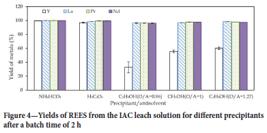
Diamond exhibits an exceptionally high resistance to mechanical failure, although its response is strongly influenced by crystallographic orientation, defects and other sources of structural weakness. The ideal compressive strength calculated for diamond is highly orientation dependent, with first-principles calculations yielding values of approximately 223 GPa - 470 GPa along the (l00), (110) and (111) directions (Luo et al., 2010). Under tensile loading, the stress required to initiate fracture in diamond is approximately 3.75 GPa (Field, 1992), compared with 0.2 GPa - 0.8 GPa reported for olivine (Roedder, 1984; Johnson, Jenkins, 1991; Brett, 2009), illustrating the substantially greater resistance of diamond to crack initiation. However, natural diamonds are not defect-free, and impurities, inclusions, surface damage, internal stress, crystallographic orientation, and cleavage can influence the initiation and subsequent propagation of fractures. Consequently, the breakage behaviour of a natural diamond during comminution cannot be inferred from its intrinsic strength alone. Once a crack is initiated, its propagation is governed by the fracture properties of the material, including the energy required to create new fracture surfaces. The energy required to generate a unit area of new crack surface has been reported as approximately 5.5 J m-2 for diamond, compared with ~1.1 J m-2 for olivine (Field, Freeman, 1981; Field, 1992). Fracture mechanics provides a framework for describing this behaviour: the Mode-I stress intensity factor, (K1), characterises the stress field at the tip of an existing crack, while crack propagation occurs when (K1) reaches the critical stress intensity factor, (K1c), or fracture toughness. Reported (K1c) values for diamond are typically in the range of several MPa m1/2, although values vary with crystallographic orientation, diamond type, and measurement method (Field, 2012).
Diamond fracture can be classified into three principal modes, which broadly represent increasing severity of breakage and associated potential value loss:
> Shattering: High-energy or rapid compressive loading produces extensive fragmentation, generating a broad progeny size distribution (PSD) as particles undergo multiple collisions and fractures until the applied energy is dissipated. This represents the most severe form of breakage and can result in substantial loss of diamond value through the generation of numerous small fragments.
> Cleavage: Fracture propagates preferentially along crystallographic or other pre-existing planes of weakness, producing relatively larger and more discrete fragments and a narrower PSD. Although less extensive than shattering, cleavage can still result in significant value loss where breakage reduces the size or integrity of a valuable stone.
> Chipping: Low-energy surface damage or attrition removes small fragments from the diamond without complete particle failure, generally producing few progeny. Chipping therefore represents a lower-severity form of breakage, although repeated chipping can progressively reduce stone size and value.
The evolution of kimberlite comminution circuits
Early kimberlite processing circuits followed relatively simple flowsheets built around staged crushing, scrubbing, screening and dense media separation, with diamond recovery generally occurring downstream through conventional X-ray luminescence (XRL) and related X-ray recovery technologies (Clarke, 2018). Consequently, diamonds liberated during earlier stages could remain within the processing stream and be exposed to subsequent handling and comminution before recovery. Repeated exposure to high-energy crushing events can result in unnecessary breakage, including both immediate fracture and the accumulation of subcritical cracks associated with diamond fatigue (Bell et al., 1977). Traditional circuit design therefore prioritised efficient host-rock liberation and diamond recovery, while the potential value loss associated with repeated comminution of liberated diamonds received comparatively less attention. As understanding of breakage-related value loss developed, circuit configurations evolved to incorporate additional opportunities for diamond removal. Alongside established XRL recovery, X-ray transmission (XRT) technology has subsequently been adopted for diamond recovery and can be positioned within the flowsheet to reduce the subsequent exposure of liberated diamonds to comminution (Voigt et al., 2019). High-pressure grinding rolls (HPGR), also referred to as high pressure roll crushers (HPRC), have likewise been adopted in some operations as controlled-energy alternatives to conventional crushing technologies, providing a more controlled breakage environment (Popplewell, Baeletse, 2010; Olivier et al., 2010). For kimberlites known to yield exceptionally large diamonds, such as Karowe and Letseng, XRT has also been applied upstream or in dedicated large-diamond recovery circuits to identify and remove large stones before further comminution, thereby reducing their exposure to potential breakage (Shor et al., 2015; Van Niekerk et al., 2016). These developments demonstrate that sensor-based recovery is now an established component of diamond processing, rather than a recent development. However, the effectiveness of different breakage-mitigation strategies remains dependent on orebody characteristics, diamond size distribution, circuit configuration, and the location and size range of sensor-based recovery stages. In particular, there remains a need to better quantify how these factors influence diamond breakage and value loss and to integrate this information into geometallurgical models of both the kimberlite host rock and the diamonds it contains.
Operational drivers affecting diamond breakage: Energy input, liberation efficiency, and ore dilution through waste rock incorporation
Diamond breakage within a processing circuit is not solely a function of intrinsic diamond properties but is strongly influenced by operational conditions that determine how, where and at what magnitude stresses are applied. Among these, the magnitude and mode of energy input are important controls. Conventional crushing circuits (e.g., Figure 5) employ different combinations of compressive, tensile, shear and impact stresses depending on the equipment and operating conditions. Jaw and cone crushers are primarily compression-based devices, although particle-particle and particle-liner interactions can generate localised impact, shear, and tensile stresses that contribute to breakage. The resulting stress concentrations may exceed the fracture strength of individual diamonds, particularly where pre-existing weaknesses such as inclusions, ruts (resorbed cracks) or microfractures are present.
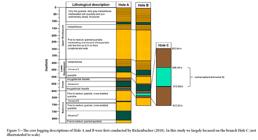
The nature and distribution of the stress regime are therefore equally important. Compression-dominated systems such as high-pressure grinding rolls (HPGR) introduce a different breakage environment from conventional crushing, promoting inter-particle crushing within a confined particle bed, where the ore can preferentially break upon itself rather than being crushed directly against a steel surface (Daniel, Morley, 2010). However, localised stress concentrations within the particle bed can still develop, and their magnitude and distribution will depend on the properties, size distribution, and arrangement of the material being processed. The transition from one dominant breakage regime to another therefore does not eliminate diamond-breakage risk but changes the manner in which stresses are transmitted to diamonds. Understanding how different comminution devices and operating conditions partition energy and stress is consequently important for identifying where and under what conditions diamond breakage is most likely to occur within a circuit.
Feed moisture provides another operational variable that can modify comminution behaviour. Changes in moisture content can influence particle interactions, bed packing, screening, handling, and the transmission of stresses through the material, with the resulting effect on diamond breakage being dependent on the ore and circuit conditions. Some kimberlites contain swelling smectites (Stripp et al., 2006), which can influence the physical breakdown and handling behaviour of the ore when hydrated. However, the abundance and behaviour of such clay minerals are highly ore-specific, and their effects on liberation and diamond breakage should therefore be evaluated for individual deposits rather than assumed to be universal.
Liberation efficiency can further influence diamond breakage risk through its effects on residence time and recirculation. Insufficient fragmentation may leave diamonds locked within host rock and, depending on circuit configuration, increase their exposure to subsequent comminution events. Repeated loading can progressively reduce the resistance of diamonds to fracture, with experimental studies demonstrating the development and propagation of cracks under repeated loading conditions (Bell et al., 1977). Conversely, excessive energy input may achieve rapid liberation at the expense of increased direct diamond breakage. The operating objective is therefore to achieve sufficient host-rock fragmentation and liberation while minimising unnecessary diamond breakage. The appropriate operating window is not fixed, but reflects the interaction between the diamond population, kimberlite characteristics, circuit configuration, and operating conditions, which may change with ore domain, feed characteristics, equipment settings, and equipment wear. Ongoing monitoring of recovered diamond populations and plant performance is therefore important for identifying changes in breakage behaviour through time and for informing geometallurgical models.
Ore dilution, particularly through the incorporation of waste rock, may represent an additional control on diamond breakage, although its effect is dependent on the lithology, competency, abrasiveness, and proportion of the waste material. Harder or more competent waste fragments may alter the local stress environment during inter-particle crushing and can increase the severity of contacts experienced by diamonds under some conditions. Experimental and pilot-scale work reported by Lusinga (2023), for example, found increased diamond breakage when diamonds were surrounded by waste rock and identified potential benefits from upfront waste removal. These findings support consideration of waste dilution as a geometallurgical variable, but the magnitude and direction of its effect should be established through ore-specific test work rather than assumed from waste content alone. Where an adverse relationship is demonstrated, upfront waste removal, including sensor-based sorting, may provide an opportunity to reduce diamond exposure to unfavourable comminution conditions. Together with appropriate control of energy input and operating conditions, such strategies can contribute to maintaining conditions that favour effective liberation while limiting diamond breakage.
Identifying practical proxies for diamond breakage in geometallurgical models
A major challenge in incorporating diamond breakage into geometallurgical frameworks is the need for simple, scalable proxies that reliably predict diamond response under different processing conditions. This is addressed through a combined approach integrating detailed mineralogical characterisation of diamond parcels (Burness et al., 2024) with controlled laboratory experiments using diamond simulants embedded in kimberlite analogues (Chele, 2021).
Simulant-based testing provides a controlled and reproducible approach for investigating host-rock breakage, simulant liberation, and simulant fracture during comminution. Drop-weight, ultra-fast cell, split Hopkinson pressure bar, and piston-and-die tests can be applied to simulant-bearing composites designed to act as proxies for diamond-bearing kimberlite host rock, allowing the response of the composite system to be evaluated under defined loading conditions. The resulting progeny particle-size distribution (PSD) describes the sizes of particles produced during breakage, while (t10), defined as the percentage of progeny passing a size equal to one-tenth of the original particle size, provides a measure of the extent of fragmentation. The relationship between (t10) and specific comminution energy (ECS) can therefore be used to characterise the breakage response of the composite matrix. The extent of simulant liberation can be quantified using the fraction of simulants liberated from the matrix (Fmat), while (Ffragment) and breakage probability can be used to quantify the fracture response of the simulant population under the applied loading conditions. The resulting data defines an operational 'safe window' for comminution, in which the host rock fragments efficiently, while liberated simulants remain intact (see Figure 6).
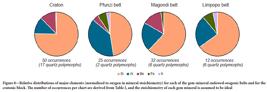
The transferability of these results to natural-diamond fracture behaviour is necessarily limited. Simulant-bearing composites provide controlled measures of 'kimberlite' matrix breakage, simulant liberation, and fracture response, but cannot fully reproduce the heterogeneous defects and geological histories of natural diamonds, including inclusions, internal strain, healed fractures, resorption features, and twinning. Consequently, this data must be complemented by direct characterisation of natural diamond parcels.
Diamond characterisation provides an important input to predictive geometallurgical modelling by capturing variability within the natural diamond population. In addition to established assessments of breakage, including shatter, cleavage, and chipping, characteristics such as morphology, crystallographic orientation, natural cleavage planes, visible strain, inclusions, and pre-existing fractures may provide indicators of fracture susceptibility (Burness et al., 2024). These characteristics can be assessed through systematic examination of recovered diamond parcels, typically within secure facilities, providing information on the structural and morphological variability of the recovered population. However, this assessment occurs only after recovery and therefore cannot provide real-time monitoring or directly identify the processing conditions under which individual diamonds fractured. The relationship between individual characteristics and breakage susceptibility also remains insufficiently constrained for any single trait to be considered predictive in isolation. Their potential value therefore lies in combining multiple characteristics to characterise the diamond population and identify associations with observed breakage outcomes.
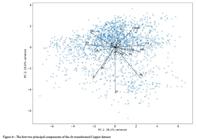
The resulting diamond characterisation can then be considered alongside established plant-based assessments and complementary recovery methods, such as secondary DMS and caustic fusion testing, which can help corroborate diamond recovery and identify material that may otherwise remain unrecovered. Together, these approaches provide complementary information on diamond breakage and recovery, while recognising that the classification criteria, observer reproducibility, and relationships between diamond characteristics and breakage outcomes require further validation. A tiered experimental approach could provide this validation (see Figure 7). The first tier would comprise testing of simulant-bearing composites used as proxies for diamond-bearing kimberlite host rock to investigate host-matrix effects, processing conditions, and energy thresholds, with breakage quantified using measures such as t10 and ECS. The second tier would involve targeted breakage testing of individual natural diamonds to measure fracture initiation energy and subsequent breakage distributions (Ffragment), including the influence of crystallographic orientation and other intrinsic characteristics. The third tier would involve characterisation of diamond parcels from different processing plants and localities to assess whether relationships identified through controlled testing are reflected in operational populations. Together, these datasets would progressively build the evidence required to develop and validate predictive geometallurgical models of diamond breakage, from controlled experiments through to operational populations.
Key takeaways and outlook
> Diamond breakage is an important source of potential value loss, particularly for large, high-value diamonds. Diamond characteristics such as size, morphology, inclusions, internal strain, and crystallographic features may influence fracture susceptibility and should therefore be considered as key geometallurgical inputs.
> Kimberlite host-rock properties and ore-domain characteristics provide a second set of key inputs. Facies characteristics, including mineralogy and texture, together with hardness, waste dilution, clay behaviour, and moisture content influence rock breakage, diamond liberation, and the stress conditions experienced during processing.
> Simulant-based testing provides a controlled means of investigating how host-matrix properties and processing conditions affect breakage. Energy thresholds, t10 relationships and energy-breakage responses can help define operating windows that balance effective kimberlite breakage with diamond preservation.
> Characterisation of natural diamonds can complement simulant testing by linking observable characteristics, such as morphology, crystallographic orientation, inclusions, internal strain, and pre-existing fractures, with fracture and breakage behaviour. But their value as predictors of breakage susceptibility requires further investigation.
> The proposed geometallurgical framework would integrate these datasets to link diamond characteristics, host-rock properties, and processing conditions with breakage probability, progeny size distributions, and potential value loss across ore domains. Future work should combine simulant testing, controlled experiments on natural diamonds, and characterisation of diamond parcels from different plants and localities to develop and test this framework, ultimately supporting value-focused circuit design, early recovery strategies, and improved energy management.
CRediT author statement
SB: Led conceptualisation, diamond parcel characterisation, and writing.
ShB: Contributed to conceptualisation and writing, and assisted with reviewing and editing.
MB: Contributed to conceptualisation, and assisted with reviewing and editing.
GHH: Contributed to diamond parcel characterisation, investigation.
ANM: Developed the conceptual framework for simulant experimentation and reviewed the article.
Acknowledgements
We gratefully acknowledge colleagues in the Centre for Minerals Research and the Department of Geological Sciences at UCT for the constructive discussions that informed the development of the ideas presented in this paper.
References
- Bell, J.G., Stuivinga, M.E.C., Thornton, A.G., Wilks, J. 1977. The cracking and fatigue of diamond. Journal of Physics D: Applied Physics, vol. 10, no. 10, pp. 1379-1387.
- Brett, R.C. 2009. Kimberlitic Olivine. MSc thesis, University of British Columbia, Vancouver, Canada.
- Brookes, C.A. 1979. Indentation hardness of diamond. In: Field, J.E. (ed.). The Properties of Diamond. Academic Press, London. pp. 383-402.
- Burness, S., Becker, M., Howarth, G.H., Mainza, A. 2024. Characterising diamond breakage from the processing of kimberlite ore: A case study. Proceedings of the XXXI International Mineral Processing Congress, Washington, DC.
- Bush, D. 2010. An overview of the estimation of kimberlite diamond deposits. In: Diamonds - Source to Use 2010. Southern African Institute of Mining and Metallurgy. pp. 73-80.
- Chapman, J. 2024. Diamond deposit valuations using size frequency distributions and price modelling. In: International Kimberlite Conference: Extended Abstracts, vol. 12. Extended Abstract No. 12IKC-035. DOI: 10.29173/ikc4059
-
Chapman, J.G., Boxer, G.L. 2004. Size distribution analyses for estimating diamond grade and value. Lithos, vol. 76, no. 1-4, pp. 369-375. DOI: 10.1016/j.lithos.2004.03.021
» https://doi.org/10.1016/j.lithos.2004.03.021 -
Chaudhri, M.M. 2020. Indentation hardness of diamond single crystals, nanopolycrystal and nanotwinned diamonds: A critical review. Diamond and Related Materials, vol. 109, pp.108076. DOI: 10.1016/j.diamond.2020.108076
» https://doi.org/10.1016/j.diamond.2020.108076 - Chele, M.J. 2021. Developing a Methodology for Reducing Diamond Breakage within Processing Plants. MSc thesis, University of Cape Town.
- Chrenko, R.M., Strong, H.M. 1975. Physical Properties of Diamond. Report No. 75CRD089. General Electric, Schenectady, NY.
- Clarke, J.E. 2018. The future of diamond liberation and recovery. In: Diamonds 2018 Conference.
- Danoczi, J., Creighton, S. 2016. Microdiamond analysis: A method for estimating the size frequency distribution of macrodiamonds. Journal of the Southern African Institute of Mining and Metallurgy, vol. 116, no. 8, pp. 737-743.
- Daniel, M.J. Morley, C. 2010. Can diamonds go all the way with HPGRs? In: Diamonds - Source to Use 2010. Southern African Institute of Mining and Metallurgy. pp. 201-214.
-
De Beers Group. 2026. Preliminary financial results for 2025. De Beers Group, 20 February. https://www.debeersgroup.com/news-insights/latest-group-news/2026/preliminary-financial-results-for-2025 [accessed 2 October 2026].
» https://www.debeersgroup.com/news-insights/latest-group-news/2026/preliminary-financial-results-for-2025 - De Jager, C., Houghton, J. 2024. Enhancing large diamond recovery: An overview of X-ray transmission (XRT) technology. In: 12th International Kimberlite Conference Extended Abstracts, Yellowknife, Canada. Extended Abstract No. 12IKC-084. DOI: 10.29173/ikc4101
- Evans, T., Phaal, C. 1962. Imperfections in type I and type II diamonds. Proceedings of the Royal Society of London A, vol. 270, pp. 538-552.
-
Fedortchouk, Y. 2019. A new approach to understanding diamond surface features based on a review of experimental and natural diamond studies. Earth-Science Reviews, vol. 193, pp. 45-65. DOI: 10.1016/j.earscirev.2019.02.013
» https://doi.org/10.1016/j.earscirev.2019.02.013 - Field, J.E., Freeman, C.J. 1981. Strength and fracture properties of diamond. Philosophical Magazine A, vol. 43, pp. 595-618.
- Field, J.E. 1992. Strength, fracture and erosion properties of diamond. In: Field, J.E. (ed.). The Properties of Natural and Synthetic Diamond. Academic Press, London. pp. 473-513.
-
Field, J.E. 2012. The mechanical and strength properties of diamond. Reports on Progress in Physics, vol. 75, no. 12, pp. 126505. DOI: 10.1088/0034-4885/75/12/126505
» https://doi.org/10.1088/0034-4885/75/12/126505 - Fowler, J.A., Grütter, H.S., Kong, J.M., Wood, B.D. 2001. Diamond exploration in northern Ontario with reference to the Victor kimberlite, near Attawapiskat. Exploration and Mining Geology, vol. 10, no. 1-2, pp. 67-75.
- Gilika, O., Van der Westhuyzen, P. 2023. Application and integration of a geometallurgical model with quantitative simulation at Orapa Mine. In: Geometallurgy Conference 2023. Southern African Institute of Mining and Metallurgy.
-
Grütter, H.S., Gurney, J.J., Menzies, A.H., Winter, F. 2004. An updated classification scheme for mantle-derived garnet, for use by diamond explorers. Lithos, vol. 77, nos. 1-4, pp. 841-857. DOI: 10.1016/j.lithos.2004.04.012
» https://doi.org/10.1016/j.lithos.2004.04.012 - Gurney, J.J. 1984. A correlation between garnets and diamonds in kimberlites. In: Glover, J.E. and Harris, P.G. (eds.). Kimberlite Occurrence and Origin: A Basis for Conceptual Models in Exploration. University of Western Australia Extension Service, Publication no. 8. pp. 143-166.
-
Haggerty, S.E. 2019. Micro-diamonds: Proposed origins, crystal growth laws, and the underlying principle governing resource predictions. Geochimica et Cosmochimica Acta, vol. 266, pp. 184-196. DOI: 10.1016/j.gca.2019.03.036
» https://doi.org/10.1016/j.gca.2019.03.036 - Harris, J., Gurney, J.J., Field, J.E. 1979. Inclusions in diamond. In: Field, J.E. (ed.). The Properties of Diamond. Academic Press, London. pp. 555-591.
- Janse, A.J.A. 1995. A history of diamond sources in Africa: Part I. Gems & Gemology, vol. 31, no. 4, pp. 228-255.
- Johnson, E.L., Jenkins, D.M. 1991. Synthetic H2O-CO2 fluid inclusions in spontaneously nucleated forsterite, enstatite and diopside. Geochimica et Cosmochimica Acta, vol. 55, no. 4, pp. 1031-1040.
-
Kimberley Process. 2026. Annual Rough Diamond Summary: 2025. Kimberley Process Certification Scheme. https://www.kimberleyprocess.com/participants/south-africa [accessed 2 October 2026].
» https://www.kimberleyprocess.com/participants/south-africa - Klein, C.A. 1992. Anisotropy of Young's modulus and Poissons ratio in diamond. Materials Research Bulletin, vol. 27, no. 12, pp. 1407-1414.
- Lechuti-Tlhalerwa, R.B., Gilika, O., Field, M. 2018. Modelling geometallurgical variability of comminution parameters in Orapa kimberlite ore. In: Proceedings of the Geometallurgy Conference, Cape Town, South Africa. pp. 7-8.
-
Lechuti-Tlhalerwa, R., Coward, S., Field, M. 2019. Embracing step-changes in geoscientific information for effective implementation of geometallurgy. Journal of the Southern African Institute of Mining and Metallurgy, vol. 119, no. 4, pp. 355-360. DOI: 10.17159/2411-9717/588/2019
» https://doi.org/10.17159/2411-9717/588/2019 - Lusinga, D. 2023. Diamond value management: Plant design considerations. In: Diamonds - Source to Use 2023. Southern African Institute of Mining and Metallurgy.
-
Luo, X., Wang, X., Tian, Y., He, D., Zhang, Z. and Han, X. 2010. Compressive strength of diamond from first-principles calculation. Journal of Physical Chemistry C, vol. 114, no. 41, pp. 17851-17853. DOI: 10.1021/jp105853a.
» https://doi.org/10.1021/jp105853a -
Natural Resources Canada. 2026. Diamond facts. Government of Canada. https://natural-resources.canada.ca/minerals-mining/mining-data-statistics-analysis/minerals-metals-facts/diamond-facts [accessed 2 October 2026].
» https://natural-resources.canada.ca/minerals-mining/mining-data-statistics-analysis/minerals-metals-facts/diamond-facts - Nowicki, T., Garlick, G., Webb, K., Van Eeden, M. 2018. Estimating commercial diamond grades based on microdiamonds: A case study from Koidu. Mineralogy and Petrology, vol. 112, suppl. 2, pp. 685-695.
- Olivier, D., Bornman, F., Roode, L. and Acker, A. 2010. Finsch Mine Treatment Plant Upgrade Project. In: Diamonds - Source to Use 2010. Southern African Institute of Mining and Metallurgy. pp. 253-266.
- Popplewell, G., Baeletse, B. 2010. Orapa 3 Plant Conceptual Design Evolution in Action (Let the Ore Dictate the Plant That You Build!!). In: Diamonds - Source to Use 2010. Southern African Institute of Mining and Metallurgy. pp. 215-228.
- Price, R.J., Allan, P.G., Tshekedi, R. 2024. Geology of the Lulo kimberlite cluster of Lunda Norte Province of Angola. In: International Kimberlite Conference: Extended Abstracts, vol. 12. Extended Abstract No. 12IKC-082.
-
Puhan, B., Patton, A., Morganti, S., Rustioni, G., Reali, A., Alvaro, M. 2025. Investigation of microscale brittle fracture opening in diamond with olivine inclusion using XFEM and cohesive zone modeling. Engineering Fracture Mechanics, vol. 314, p. 110713. DOI: 10.1016/j.engfracmech.2024.110713
» https://doi.org/10.1016/j.engfracmech.2024.110713 -
Rio Tinto. 2020. The iconic Argyle diamond mine delivers its final production. Rio Tinto, 3 November. https://www.riotinto.com/en/news/releases/2020/the-iconic-argyle-diamond-mine-delivers-its-final-production [accessed 2 October 2026].
» https://www.riotinto.com/en/news/releases/2020/the-iconic-argyle-diamond-mine-delivers-its-final-production - Robb, L.J. 2005. Introduction to Ore-forming Processes. Blackwell Publishing.
- Rombouts, L. 1995. Sampling and statistical evaluation of diamond deposits. Journal of Geochemical Exploration, vol. 53, nos. 1-3, pp. 351-367.
- Roedder, E. 1984. Fluid Inclusions. Reviews in Mineralogy, vol. 12. Mineralogical Society of America.
- Sasman, F., Deetlefs, B., Van der Westhuyzen, P. 2018. Application of diamond size frequency distribution and XRT technology. Journal of the Southern African Institute of Mining and Metallurgy, vol. 118, no. 1, pp. 1-6.
- Shor, R., Weldon, R., Janse, A.J.A., Breeding, C.M. and Shirey, S.B. 2015. Letseng's unique diamond proposition. Gems & Gemology, vol. 51, no. 3, pp. 280.
-
Smit, K.V., Timmerman, S., Aulbach, S., Shirey, S.B., Richardson, S.H., Phillips, D., Pearson, G.P. 2022. Geochronology of diamonds. Reviews in Mineralogy and Geochemistry, vol. 88, no. 1, pp. 567-636. DOI: 10.2138/rmg.2022.88.11
» https://doi.org/10.2138/rmg.2022.88.11 - Smith, E.M., Chinn, I., Timmerman, S. 2025. Large irregular Type IIa and Type IIb diamonds: valuable sublithospheric gems that elude conventional indicators. Mineralogy and Petrology, vol. 119, no. 3, pp. 305-325.
- Smith, E.M., Krebs, M.Y., Genzel, P.T., Brenker, F.E. 2022. Raman identification of inclusions in diamond. Reviews in Mineralogy and Geochemistry, vol. 88, no. 1, pp. 451-473.
-
Smith, E.M., Shirey, S.B., Nestola, F., Bullock, E.S., Wang, J., Richardson, S.H., Wang, W. 2016. Large gem diamonds from metallic liquid in Earth's deep mantle. Science, vol. 354, no. 6318, pp. 1403-1405. DOI: 10.1126/science.aal1303
» https://doi.org/10.1126/science.aal1303 - Stachel, T., Aulbach, S., Harris, J.W. 2022. Mineral inclusions in lithospheric diamonds. Reviews in Mineralogy and Geochemistry, vol. 88, no. 1, pp. 307-391.
-
Stiefenhofer, J., Thurston, M.L., Rose, D.M., Chinn, I.L., Ferreira, J.J. 2016. Principles of using microdiamonds for resource estimation: 1 - The impact of mantle and kimberlite processes. CIM Journal, vol. 7, no. 4, pp. 216-238. DOI: 10.15834/cimj.2016.26
» https://doi.org/10.15834/cimj.2016.26 - Stripp, G.R., Field, M., Schumacher, J.C., Sparks, R.S.J., Cressey, G. 2006. Post-emplacement serpentinization and related hydrothermal metamorphism in a kimberlite from Venetia, South Africa. Journal of Metamorphic Geology, vol. 24, no. 6, pp. 515-534.
- Sumiya, H., Sakano, F., Tatsumi, N. 2023. Distribution of internal strain and fracture strength in single-crystal diamonds. Diamond and Related Materials, vol. 134, pp. 109781.
- Tappert, R., Tappert, M.C. 2011. Diamonds in Nature: A Guide to Rough Diamonds. Springer-Verlag, Berlin Heidelberg.
-
Telling, R.H., Pickard, C.J., Payne, M.C., Field, J.E. 2000. Theoretical strength and cleavage of diamond. Physical Review Letters, vol. 84, no. 22, p. 5160. DOI: 10.1103/PhysRevLett.84.5160
» https://doi.org/10.1103/PhysRevLett.84.5160 -
Van Niekerk, L.M., Olivier, A., Armstrong, J., Sikwa, N.A. 2016. Pioneering large diamond recovery at Karowe diamond mine. Journal of the Southern African Institute of Mining and Metallurgy, vol. 116, no. 8, pp. 709-714. DOI: 10.17159/2411-9717/2016/v116n8a1
» https://doi.org/10.17159/2411-9717/2016/v116n8a1 -
Voigt, A., Morrison, G., Hill, G., Dellas, G., Mangera, R. 2019. The application of XRT in the De Beers Group of companies. Journal of the Southern African Institute of Mining and Metallurgy, vol. 119, no. 2, pp. 149-154. DOI: 10.17159/2411-9717/2019/v119n2a7
» https://doi.org/10.17159/2411-9717/2019/v119n2a7 - Webb, K., Armstrong, J., Revering, C., Tlhaodi, T.F. 2024. Karowe Diamond Mine: Geology and diamonds of the South Lobe and implications for underground mining. In: International Kimberlite Conference: Extended Abstracts, vol. 12. Extended Abstract No. 12IKC-191. DOI: 10.29173/ikc4195
- Wirth, R., Kaminsky, F., Matsyuk, S., Schreiber, A. 2009. Micro- and nano-inclusions in Juina diamonds. Earth and Planetary Science Letters, vol. 286, no. 1-2, pp. 292-303.

Revised: 05 Aug. 2025
Accepted: 02 Oct. 2026
Published: Oct. 2026