Microstructural characterization of laser beam and gas tungsten arc welded zirconium-2.5Nb
Abstract
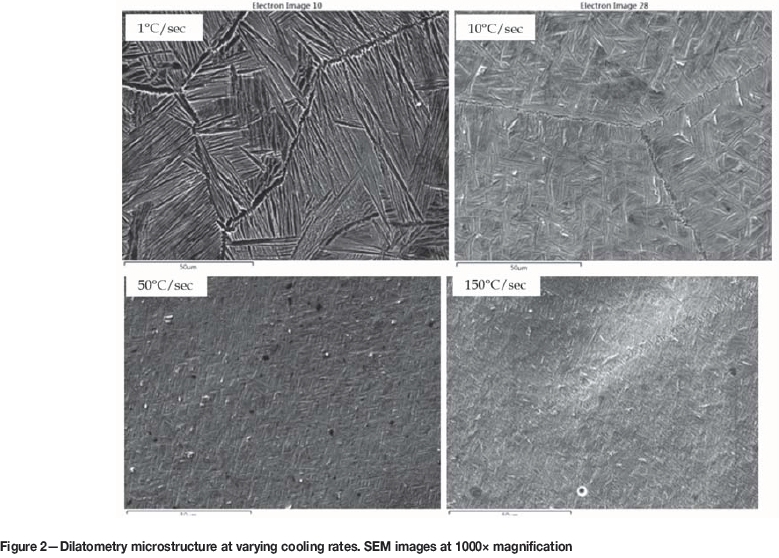
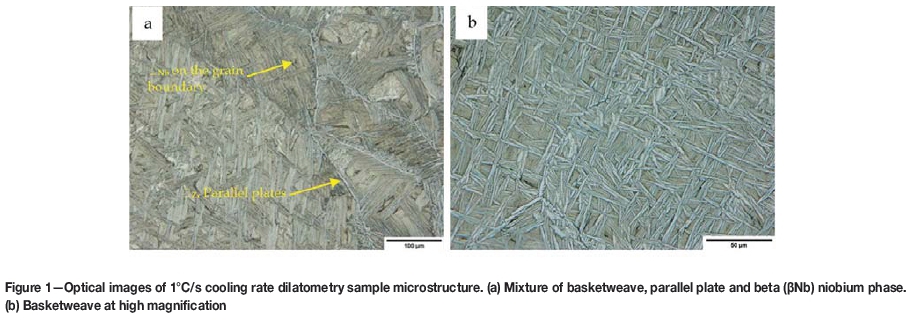
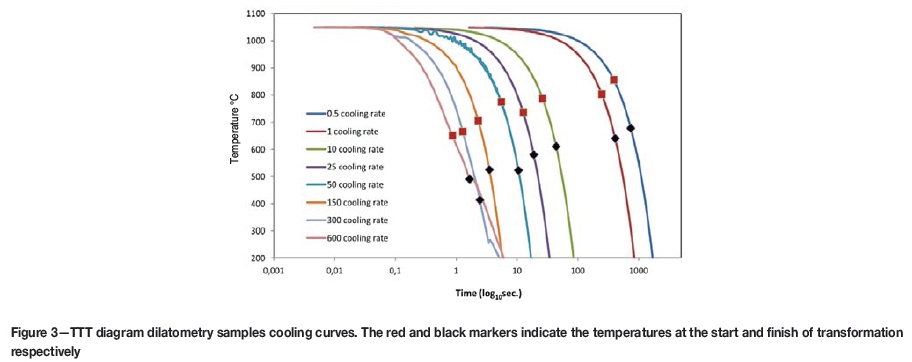
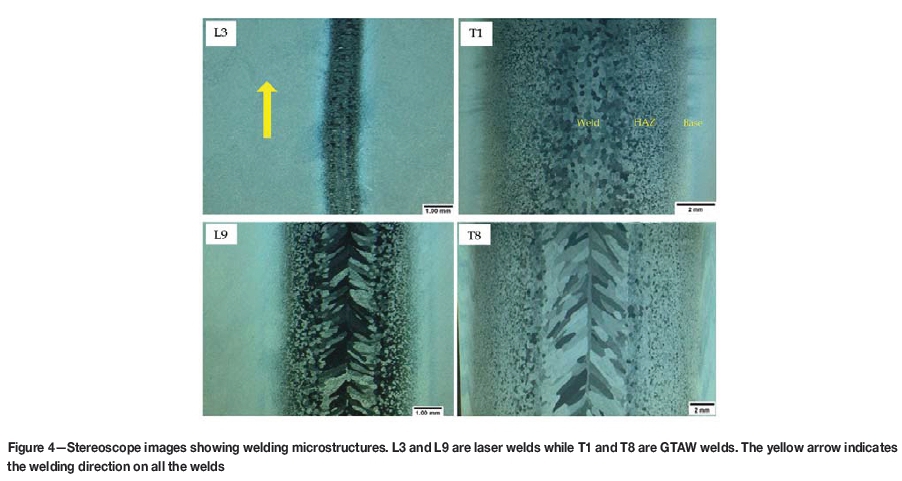
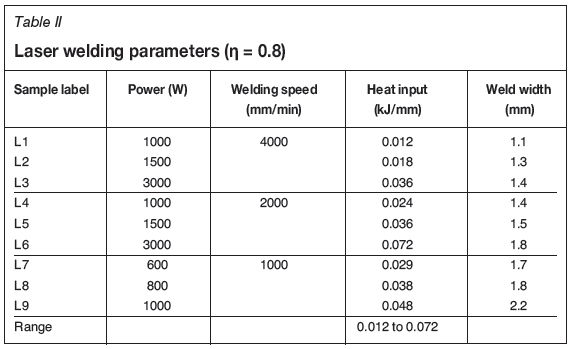
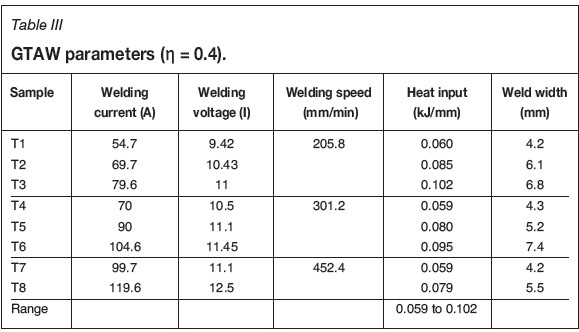
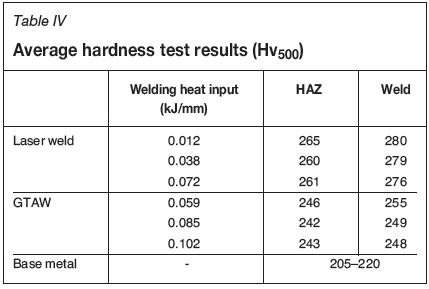
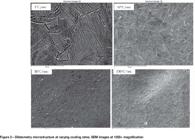
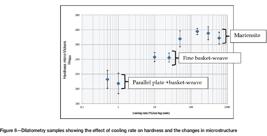
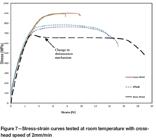
The current study is intended to characterise the complex microstructure that results from autogenous welding of Zr-2.5Nb and its influence on mechanical properties. Laser beam welding (LBW) and gas tungsten arc welding (GTAW) were performed on a 1.5 mm thick samples by applying different combinations of speed and power to vary the heat input. The effect of cooling rate on ß-a phase transformation temperature and the resulting microstructure was investigated using a Bahr dilatometer. In addition, mechanical properties were determined by tensile and hardness testing. The base metal microstructure consisted of a fine structure of Zr-alpha with a small fraction of Nb-beta phase. Both LBW- and GTAW-welded joints displayed similar martensitic microstructures, with the main difference being the weld geometry and strength.
Zr-2.5Nb; autogenous welding; microstructure; ß-a transformation
 Thumbnail
 Thumbnail
 Thumbnail
 Thumbnail
 Thumbnail
 Thumbnail
 Thumbnail