Near-surface wave attenuation (kappa) of Far West Rand micro-events
Abstract
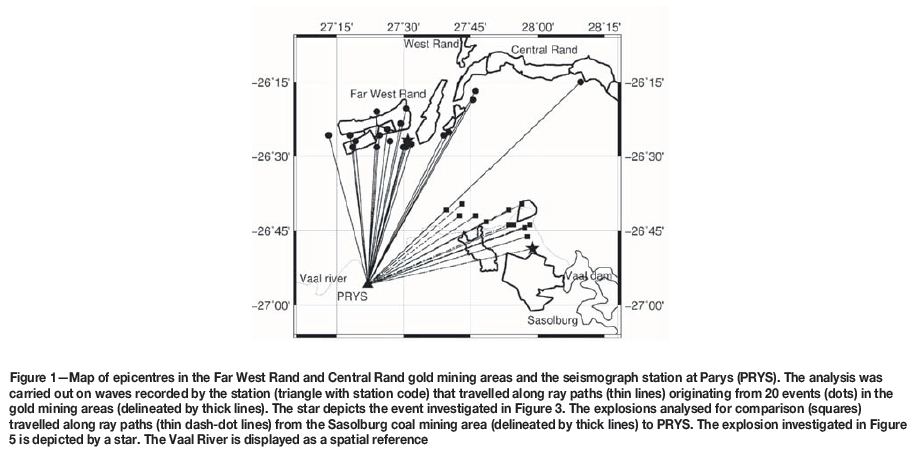
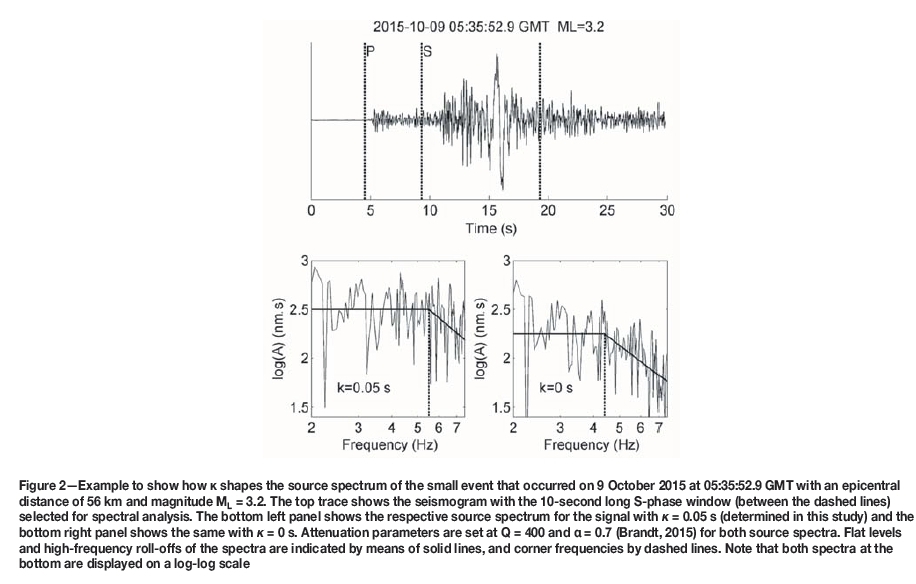
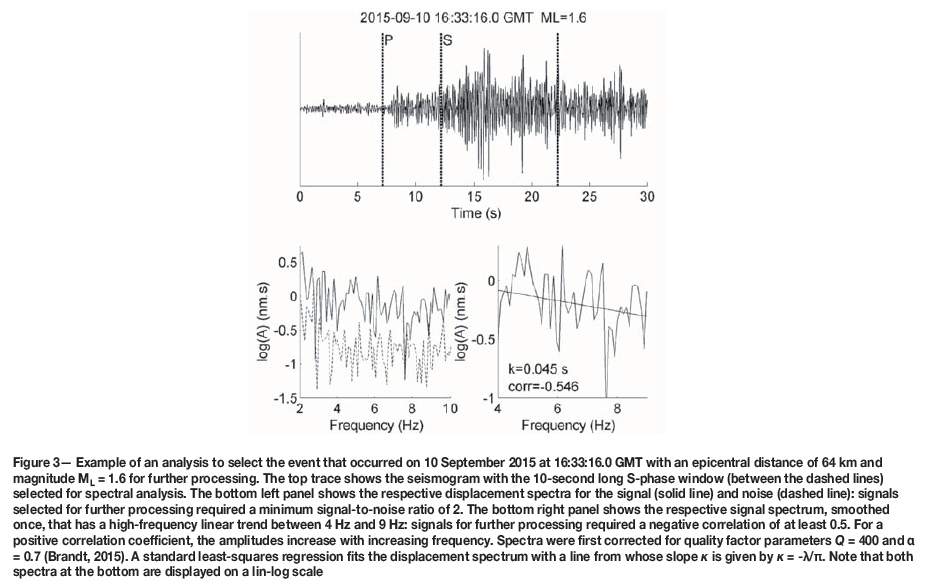
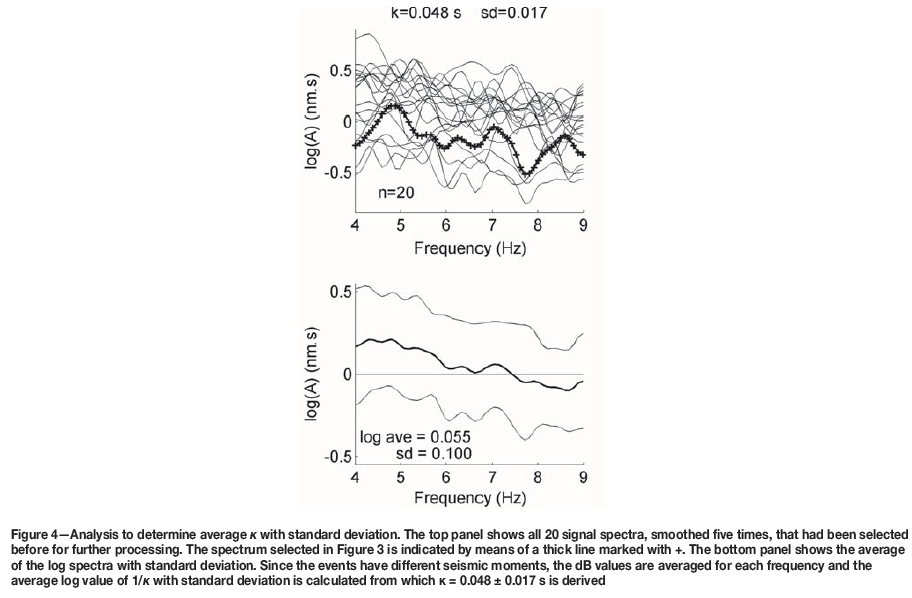
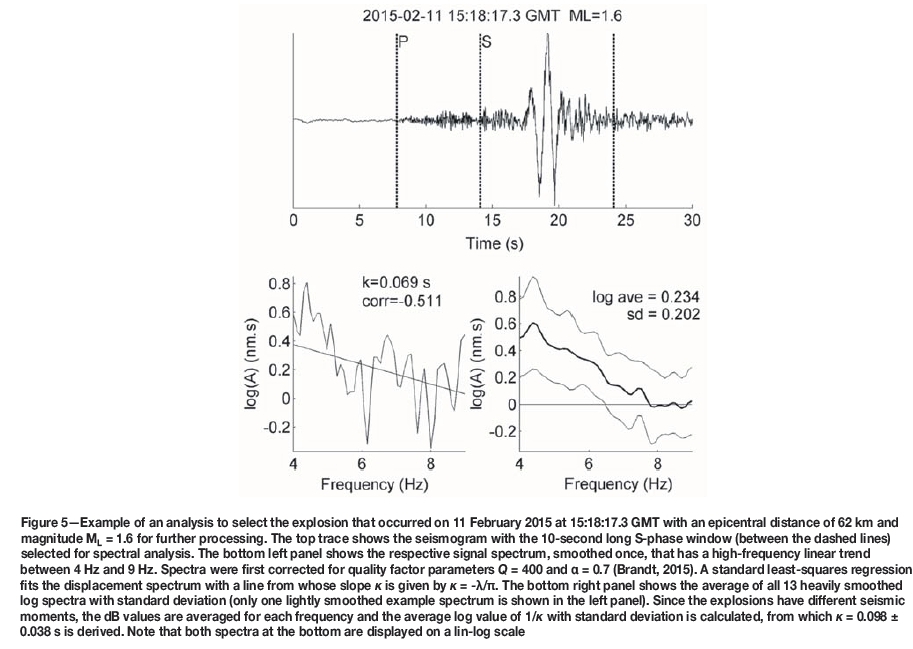
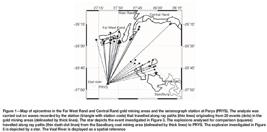
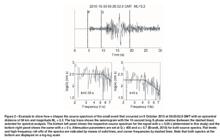
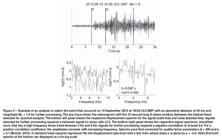
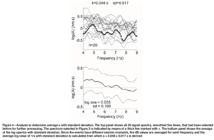
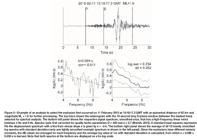
The near-surface wave attenuation factor k (kappa), which describes the attenuation of seismic waves with distance in the upper 1-3 km of the Earth, was determined for the Far West Rand gold mining area using seismic data recorded by station Parys (PRYS) of the South African National Seismograph Network. Twenty micro-events in the magnitude range 0.7 < ML< 1.8 for the period 1 July to 15 November 2015 were analysed. For the analysis a 10-second window for the S phase portion of the vertical component seismogram was selected. The result was an average k = 0.048 ± 0.014 s, which is much higher than for a stable continental region where k ≈ 0.006 s. This is because the assumed Brune source model is inappropriate for describing mining-related events that often have moment tensors with a volumetric (implosive) component. The average k was calculated to be 0.098 ± 0.038 s for explosions of a similar magnitude. This higher value derived for mining-related k may be employed as a means of correcting the Brune source spectrum to calculate seismic moment as well as corner frequency for events in the mining areas of South Africa.
Kappa; near-surface attenuation; mining-related seismic event; spectral analysis
 Thumbnail
 Thumbnail
 Thumbnail
 Thumbnail
 Thumbnail