Comparative study of the use of HPGR and conventional wet and dry grinding methods on the flotation of base metal sulphides and PGMs
Abstract
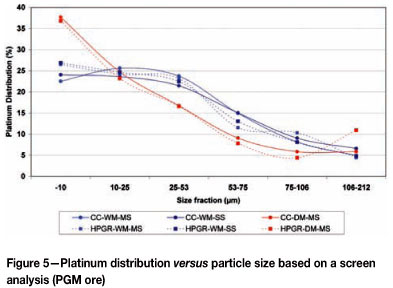
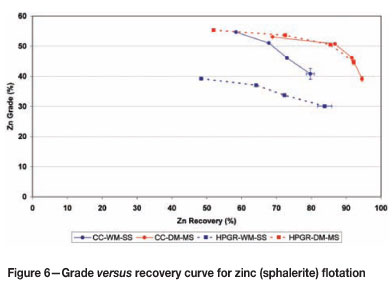
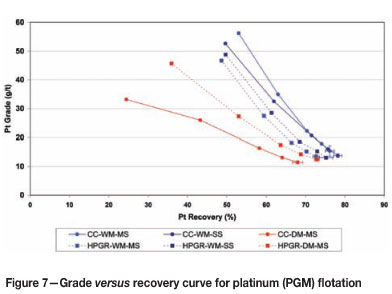
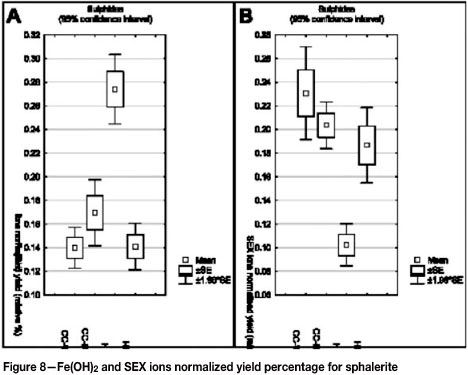
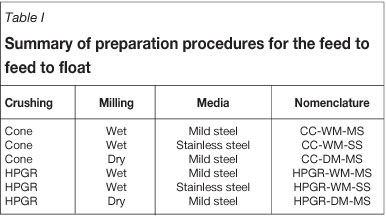
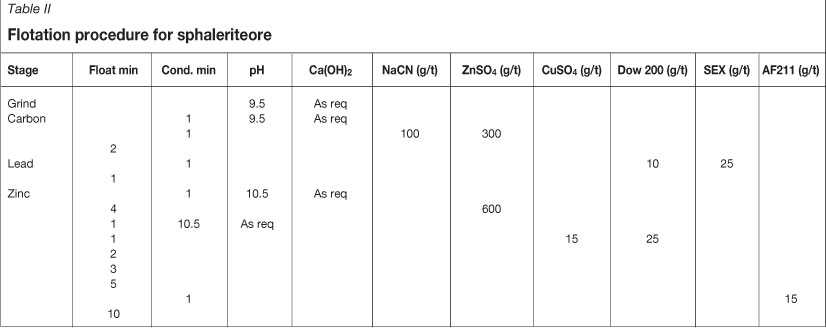
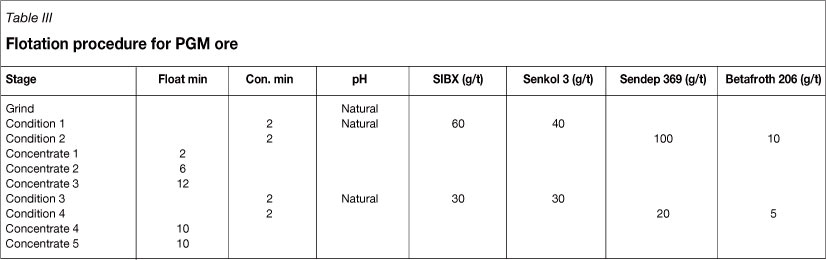
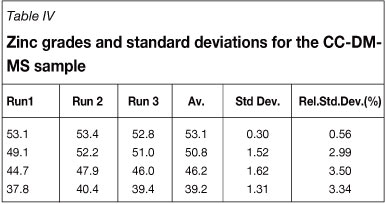
The effect of using conventional crushing and HPGR in combination with dry or wet milling was investigated using a base metal sulphide (sphalerite), and a PGM (platinum group minerals) ore in order to determine how these different processes affect the flotation performance. In the case of sphalerite, irrespective of the crushing procedure (HPGR or conventional), dry milling resulted in the highest grades and recoveries of zinc. Conversely, in the case of PGMs, a similar treatment produced the poorest results. The results were investigated further by comparing the relative effects of factors such as percentage liberation, particle size, and surface properties of the samples produced by the different milling procedures as well as the concentrates and tailings obtained from the flotation tests.
HPGR; grinding; flotation; sulphides; PGMs
 Thumbnail
 Thumbnail
 Thumbnail
 Thumbnail
 Thumbnail
 Thumbnail
 Thumbnail
 Thumbnail