Measurement of air and ground vibrations produced by explosions situated on the Earth's surface
Abstract
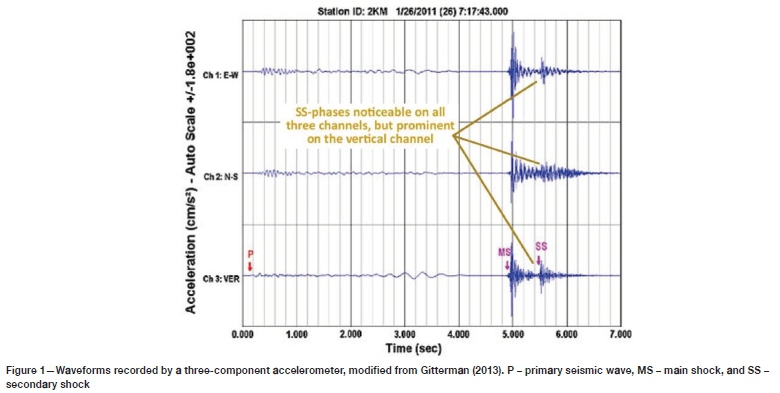
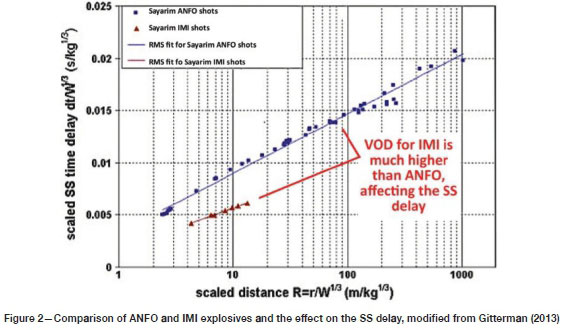
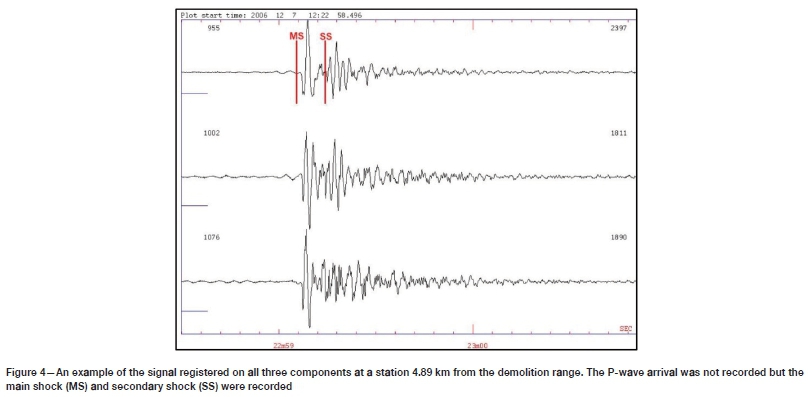
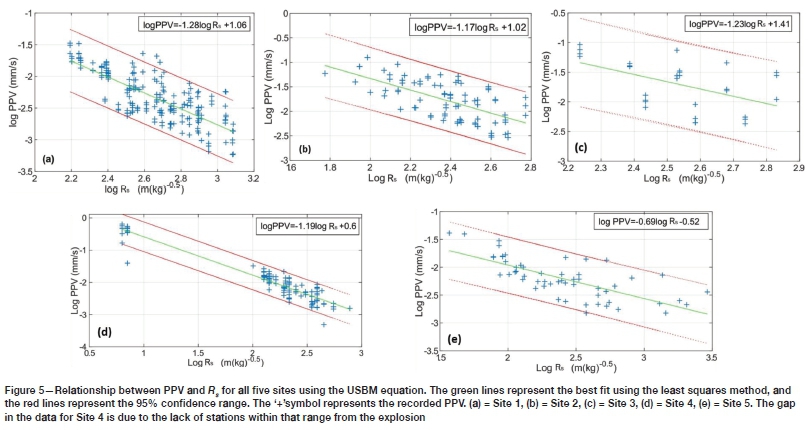
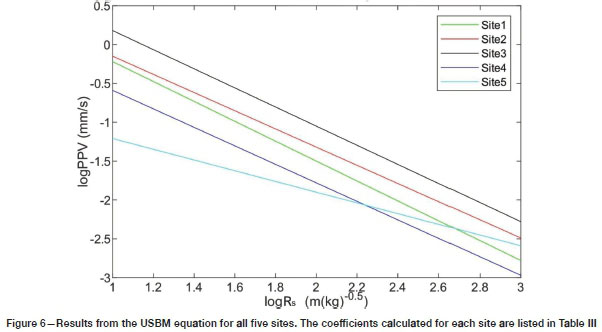
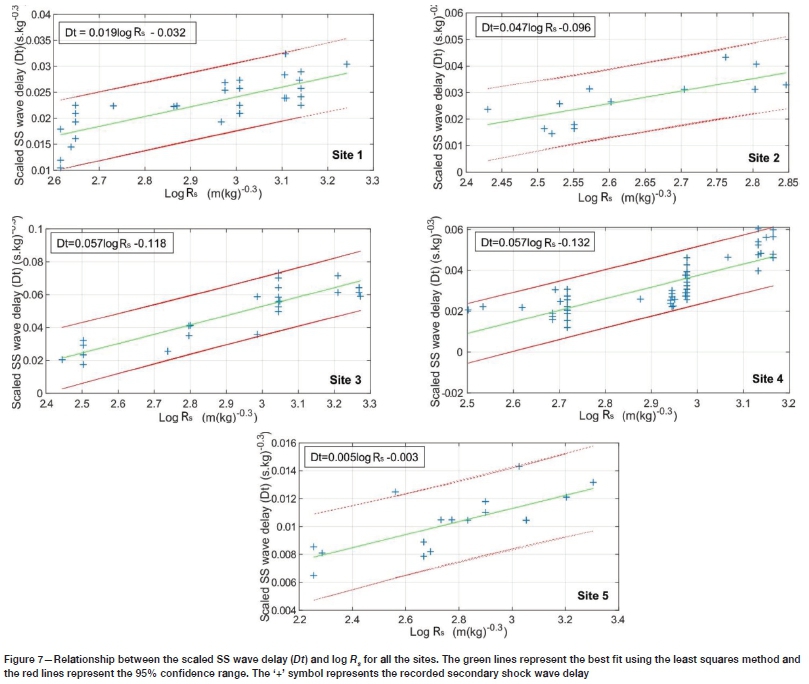
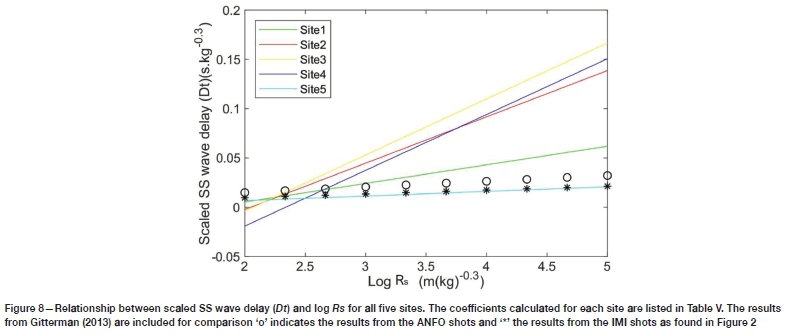
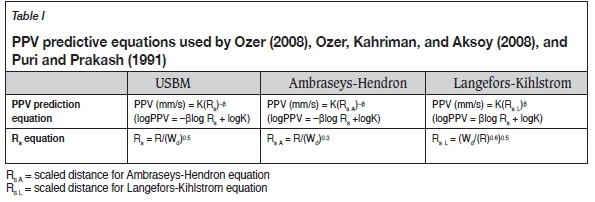
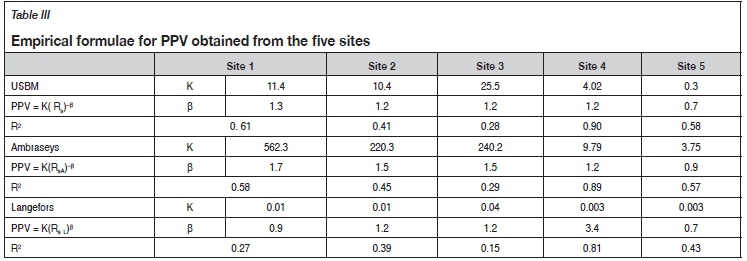
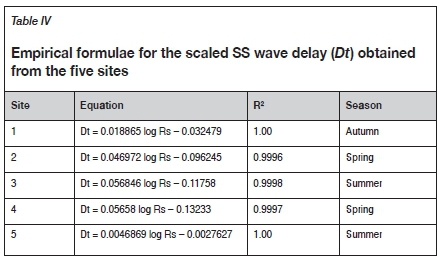
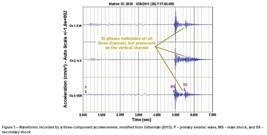
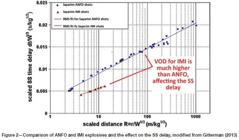
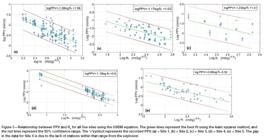
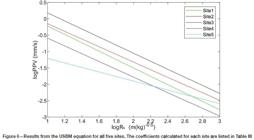
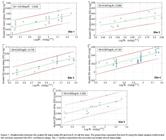
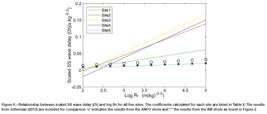
Most equations used to predict the ground motion produced by explosions were developed using confined blasts that were detonated for breaking rock in mining or tunnelling. Ground motion is usually recorded by geophones or seismometers. The air blast produced by open-pit blasts and explosions on the surface can pose a significant risk, thus microphones and pressure gauges are often also used to monitor the effects of the explosion. The aim of this study is to determine whether the predictive equations developed for confined explosions can be used to predict the effects from explosions on the surface, with appropriate adjustments to the various coefficients. Three predictive equations developed for buried explosions were tested. The study shows that the US Bureau of Mines peak particle velocity (PPV) predictive equation is the most reliable. In addition, a predictive equation that uses the secondary atmospheric shock wave phenomenon also produced good results, and uses the scaled delay time parameter, which is easier to measure. These equations may be utilized for demolition sites, where old and potentially unstable explosives and obsolete equipment are destroyed on the surface, and for assisting in forensic seismology to determine the details of an unexpected and unknown explosion.
surface explosions; prediction; demolition; PPV; secondary shock wave
 Thumbnail
 Thumbnail
 Thumbnail
 Thumbnail
 Thumbnail
 Thumbnail
 Thumbnail
 Thumbnail