An improved method of testing tendon straps and weld mesh
Abstract
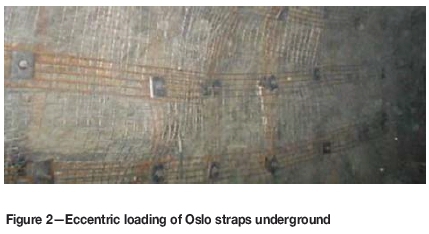
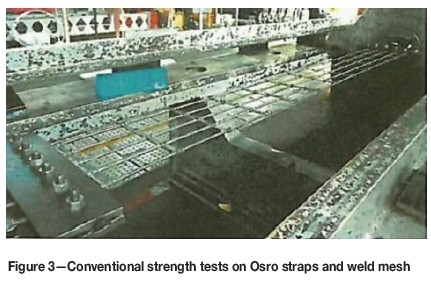
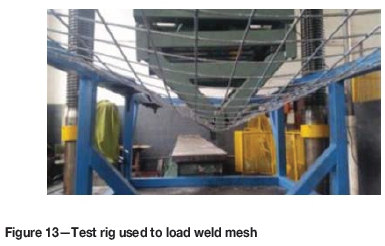
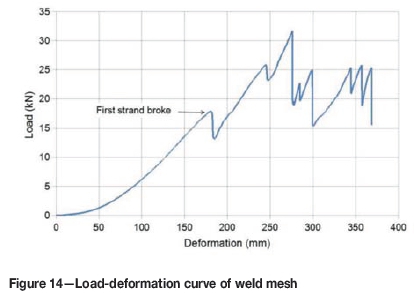
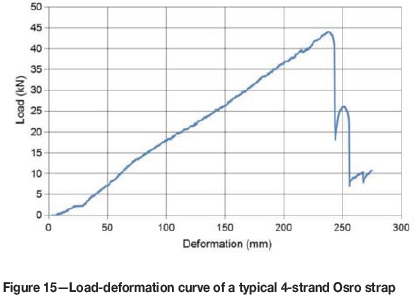
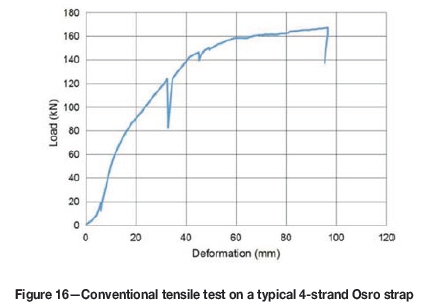
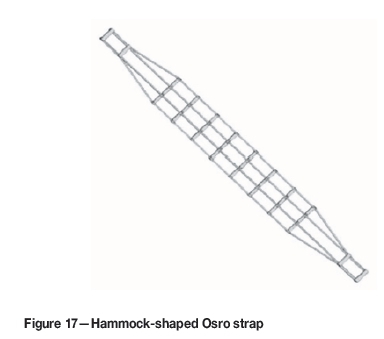
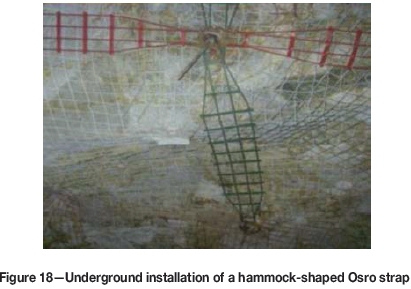
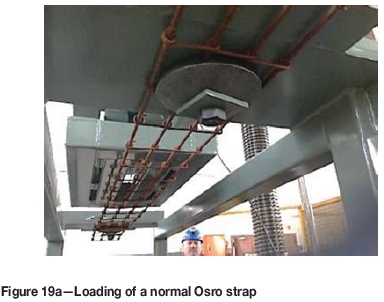
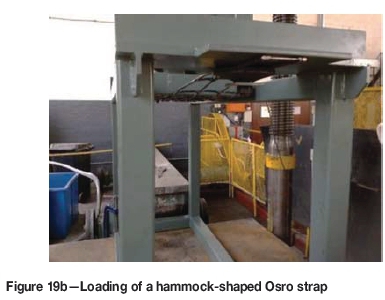
There is currently no standard method of evaluating tendon straps and weld mesh for underground excavation support in South Africa. At the request of suppliers, the CSIR has been conducting pure tensile tests on these elements with all the strands clamped in a jig. Even though the actual in situ loading is usually quite different, the manufacturers have required pure tensile results. In an underground situation, these support units are loaded by a block or set of blocks perpendicular to the strands under the influence of gravity. This loading results in a combination of tensile stresses and bending moments at the point of fixture, which is not adequately represented by a pure tensile test. In this paper we describe a more representative test which caters for a worst-case loading condition due to block rotation. An improved design of tendon strap to better cope with the loading environment is also described.
eccentric loading; load-bearing capacity; bending moments; strength requirement; realistic laboratory test
 Thumbnail
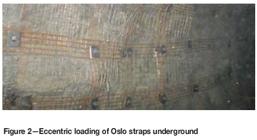 Thumbnail
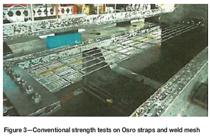 Thumbnail
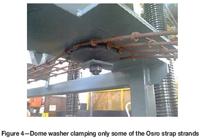 Thumbnail
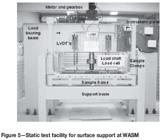 Thumbnail
 Thumbnail
 Thumbnail
 Thumbnail
 Thumbnail
 Thumbnail
 Thumbnail
 Thumbnail
 Thumbnail
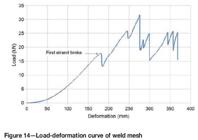 Thumbnail
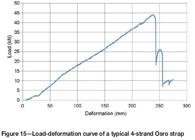 Thumbnail
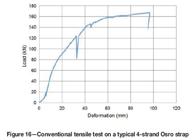 Thumbnail
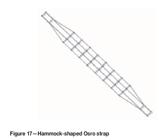 Thumbnail
 Thumbnail
 Thumbnail
 Thumbnail
 Thumbnail
 Thumbnail
 Thumbnail