Development of a geometallurgical model for a copper concentrator
Abstract
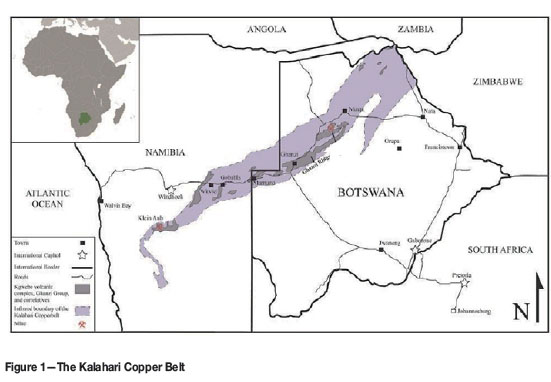
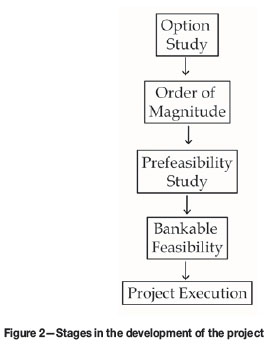
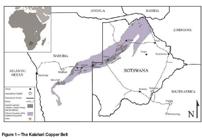
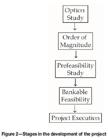
The purpose of executing a project in a stagewise fashion is to evaluate all potential options in a cost-effective manner and develop an understanding of the project drivers, thereby minimizing overall project risk to the client. Among the more valuable tools for this exercise are production and financial models that can be used to quantify the sensitivity of the project to the critical parameters. The mine and concentrator used in this case study are located on the Kalahari Copper Belt, which extends from Zambia through northern Botswana into Namibia. This area of Africa has seen very little industrial development and the project will create much-needed employment and development in the region. The success of this project thus far can be attributed to the close cooperation between the geological, mining, and metallurgical disciplines. Regular updates of projected capital and operating cost estimates coupled with project outputs guided the teams in optimizing their various discipline models, ultimately delivering a compelling argument for the execution of the project. Key to the success was the development of a geometallurgical model for the prediction of concentrate tonnage, grade, and recovery for the life of the mine from the mining plan. This paper summarizes the metallurgical findings and the outcome of the various project stages. The development of the model is discussed, as are the challenges faced in developing a suitable metallurgical process route.
geometallurgy; Kalahari Copper Belt; modelling; copper; circuit design; stagewise project execution
 Thumbnail
 Thumbnail
 Thumbnail
 Thumbnail
 Thumbnail
 Thumbnail
 Thumbnail
 Thumbnail