Developing a 3D mineral texture quantification method of drill core for geometallurgy
Abstract
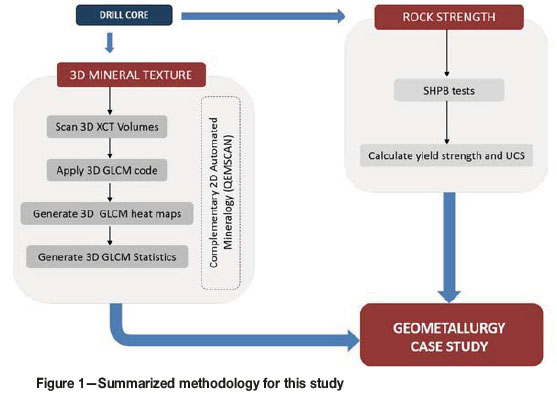
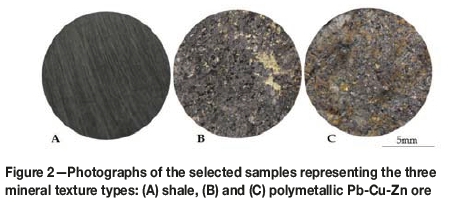
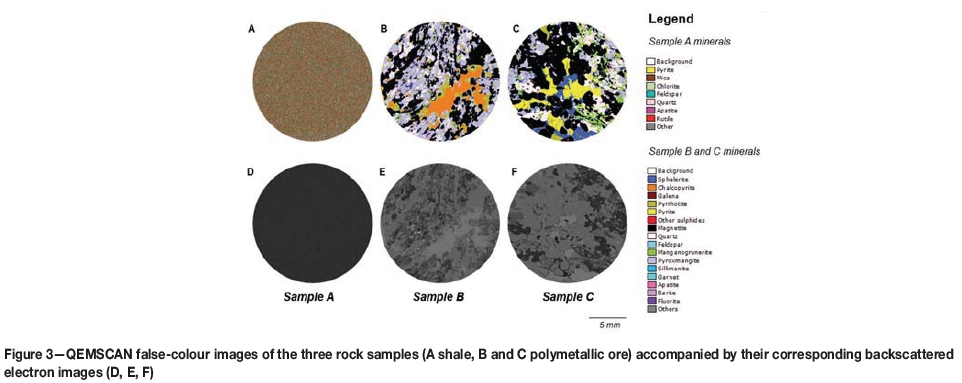
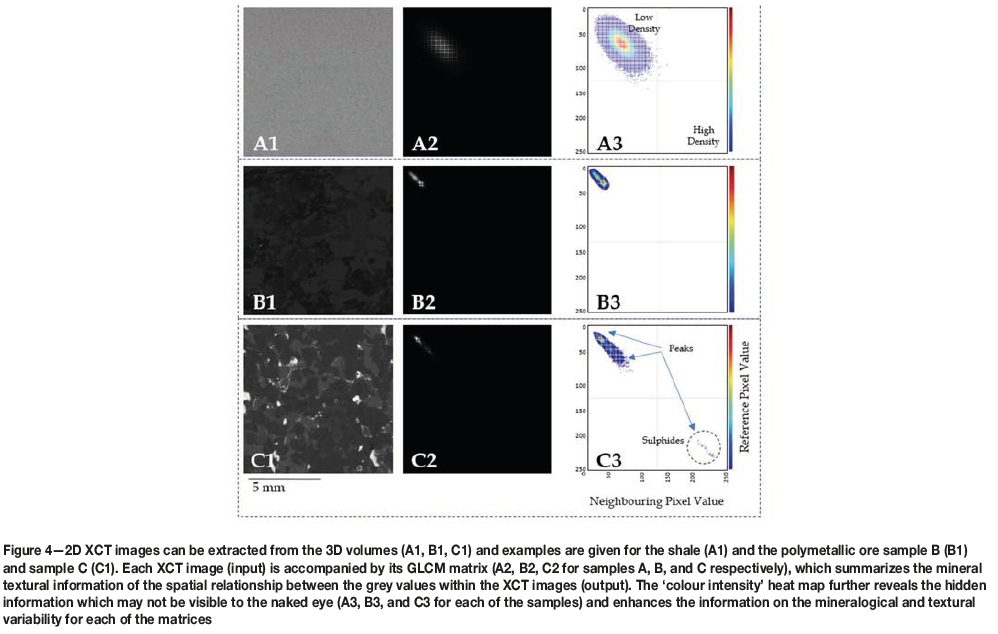
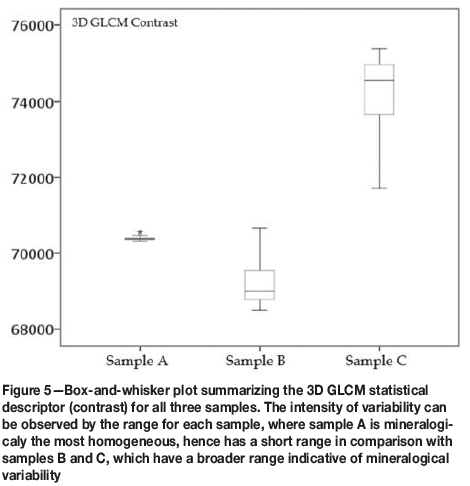
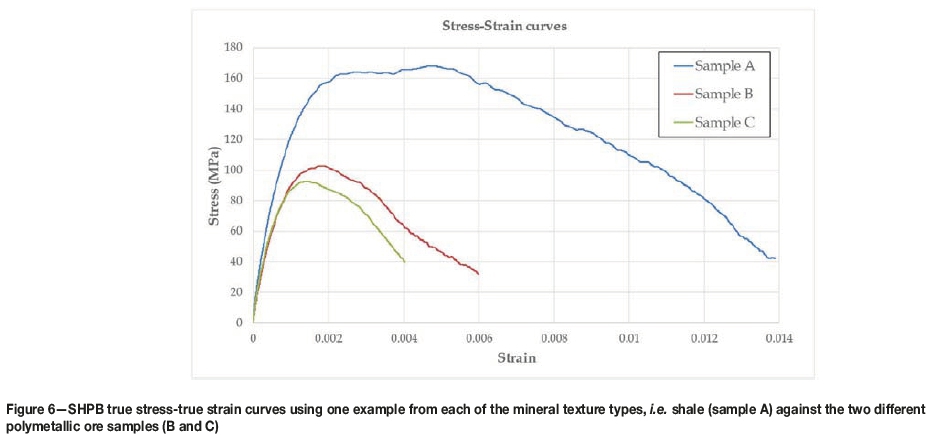
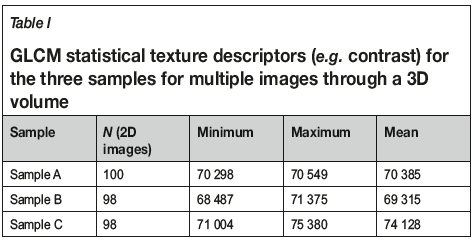
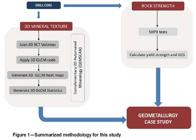
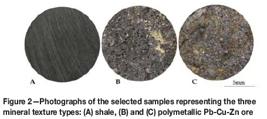
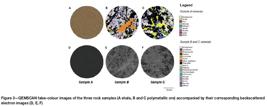
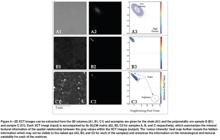
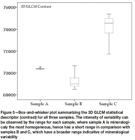
Mineral texture is a critical factor which controls ore variability and is an important attribute in geometallurgy. In relation to downstream processes, it affects the fracture pattern during breakage, where rock strength is inherently a function of mineral texture. Because of the subjective nature of mineral texture, it has not been easy to quantify, especially in the context of a measurement suitable for use in geometallurgical programmes. The aim of this paper is to present the first steps in developing a 3D mineral texture quantification method for drill core and to assess its sensitivity to differences in rock strength using a case study. The methodology includes classifying the textural information using the 3D grey level co-occurrence matrices (GLCM) and X-ray computed tomography (XCT) coupled method. Rock strength tests were performed using the split Hopkinson pressure bar (SHPB). The case study investigates a heterogeneous polymetallic sulphide deposit and a homogeneous shale subdivided into three 'mineral textural types'. The variability is largely captured by the GLCM matrices, and preliminary trends can be observed where the shale is finer grained and has a higher yield strength in comparison with the coarser grained polymetallic sulphide ore.
drill core; mineral texture; ore variability
 Thumbnail
 Thumbnail
 Thumbnail
 Thumbnail
 Thumbnail
 Thumbnail