The role of alloying elements in bainitic rail steels
Abstract
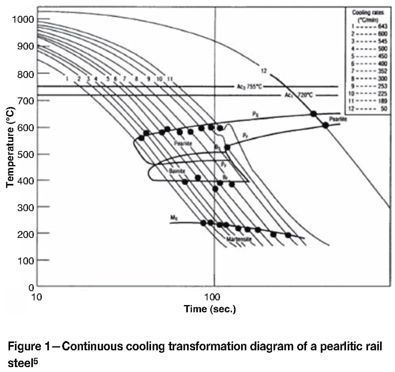
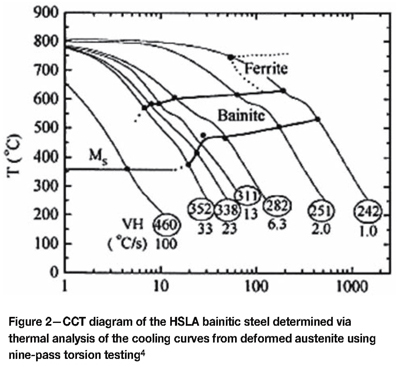
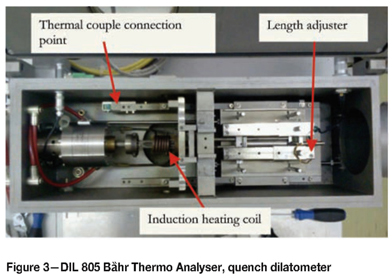
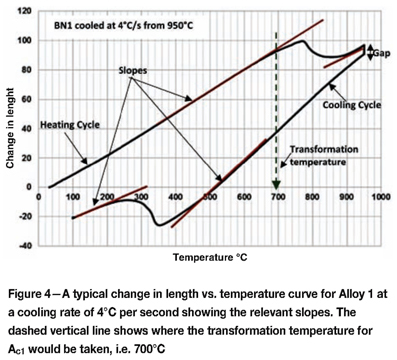
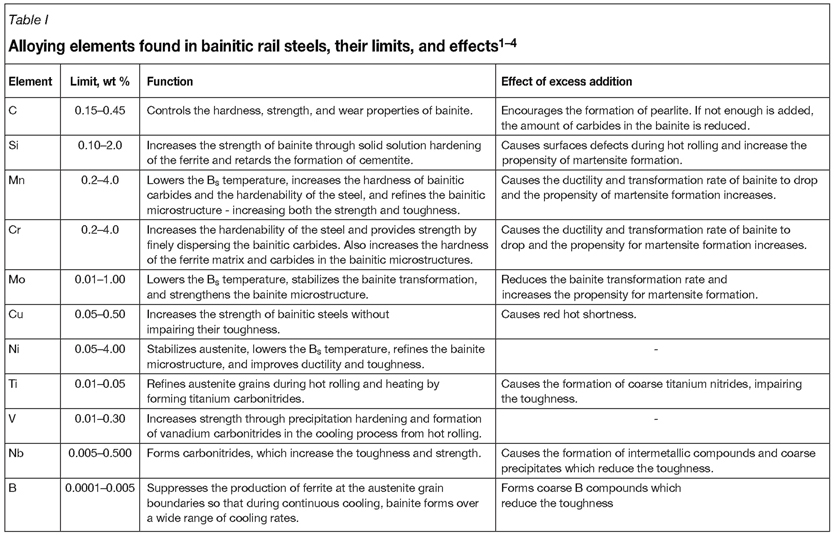
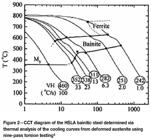
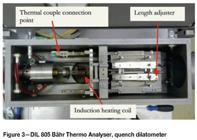
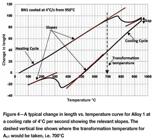
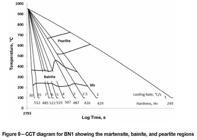
The formation of bainite in steel is dependent on the size of the casting, the heat treatment, and the alloying elements. It is difficult to obtain a fully bainitic microstructure in steels during heat treatment because of its close proximity to the martensite (α') reaction. The ferrite (α) and pearlite reactions in steels are also rapid and shield the bainite reaction. Alloying elements therefore need to be added to separate the bainite reaction. Boron (B) and molybdenum (Mo) are key elements added to bainitic steels because of their ability to retard the α reaction. Other elements used in the production of bainitic steels are silicon (Si), chromium (Cr), manganese (Mn), and titanium (Ti). In this paper we investigate the effect of alloying elements on the bainite reaction through the use of dilatometry. Dilatometry is a technique that determines phase transformations in the steel and through which continuous cooling transformation (CCT) curves can then be developed. Some initial results are presented of an ongoing study on the development of bainitic steels for railway wheel applications.
pearlite; bainite; ferrite; martensite; rail; continuous cooling transformation (CCT); dilatometry
 Thumbnail
 Thumbnail
 Thumbnail
 Thumbnail
 Thumbnail
 Thumbnail
 Thumbnail
 Thumbnail
 Thumbnail