Anisotropic rock mass behaviour in high-displacement ground at CSA mine
Abstract
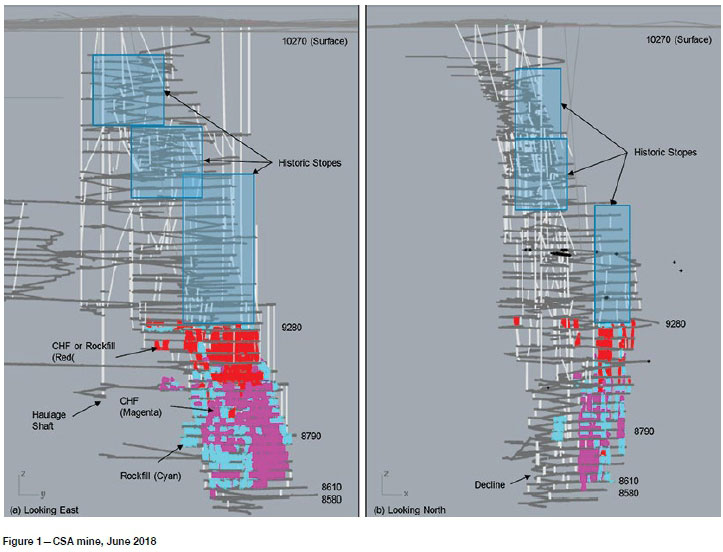
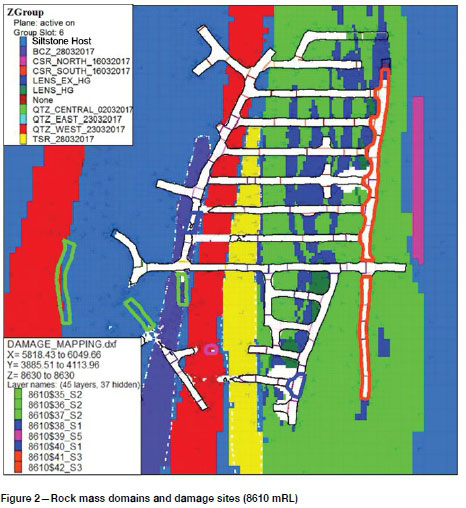
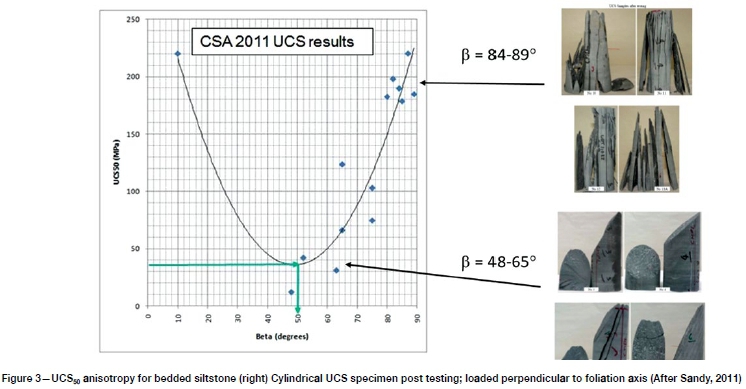
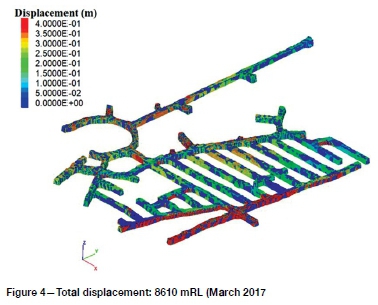
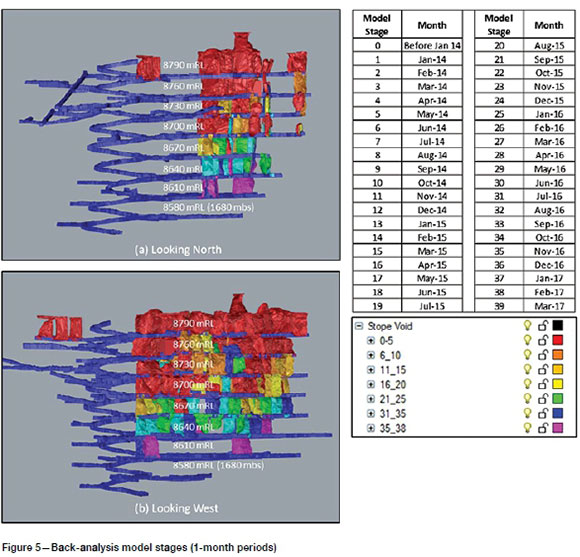
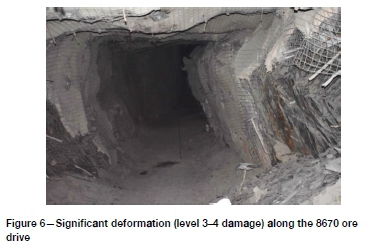
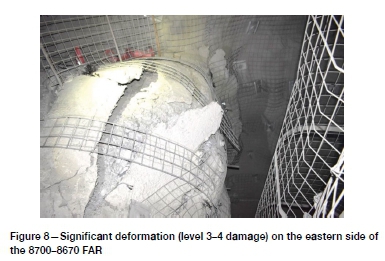
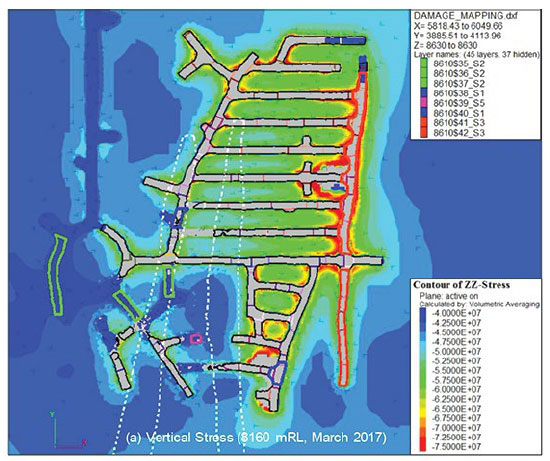
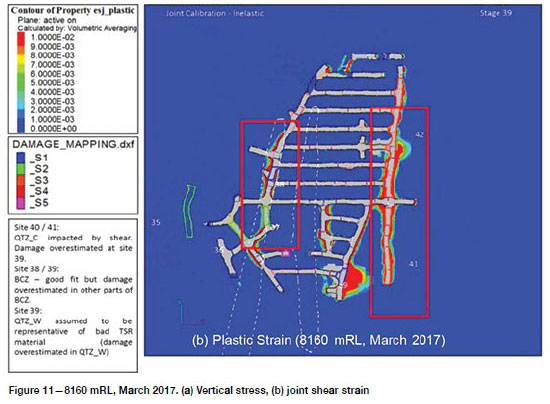
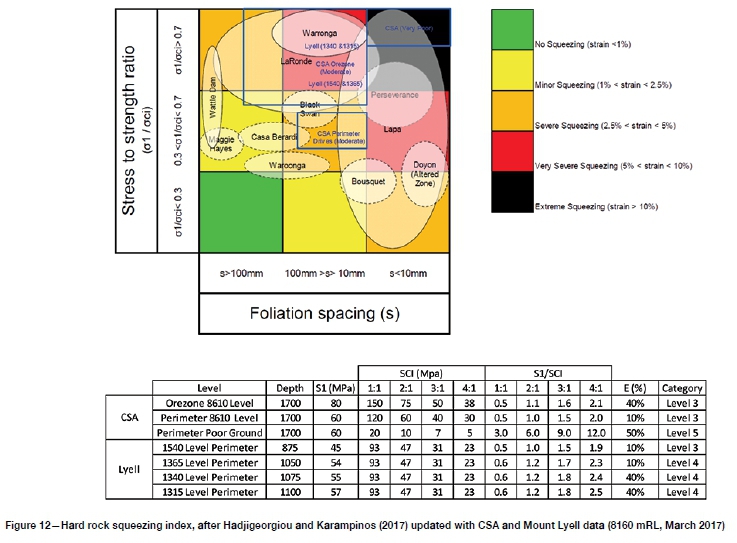
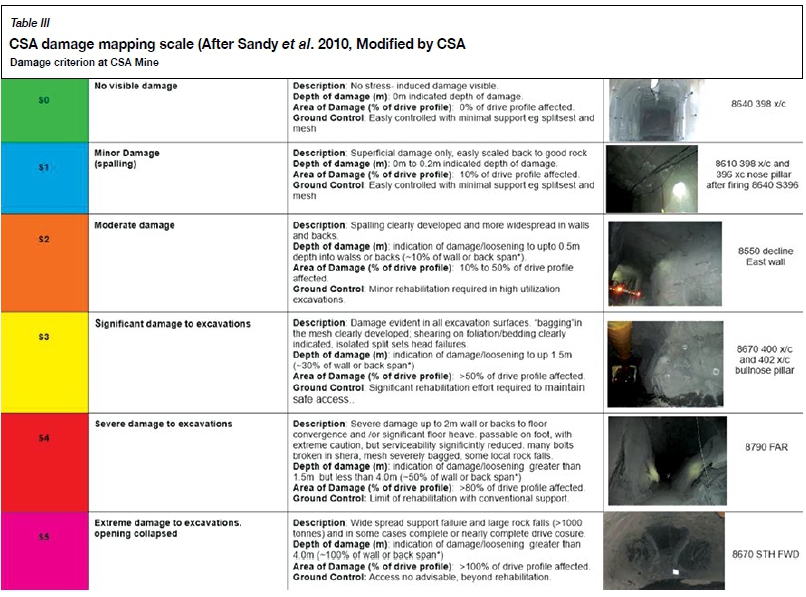
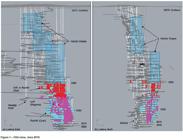
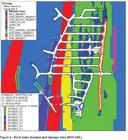
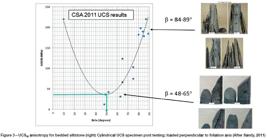
This paper summarizes key findings from a 39-month study at CSA mine on factors controlling anisotropic ground behaviour in sublevel open stope access tunnels at depths of 1500-1700 m. The aim was to understand factors controlling high-displacement ground behaviour through numerical and empirical back-analysis at 45 damage sites over a 39-month period. Excavation orientation, rock mass matrix and foliation strength, and stress path were identified as the key parameters influencing tunnel damage and convergence. Tunnels driven parallel to foliation (i.e., along strike) experienced much higher levels of damage than those driven perpendicular to foliation. Drives at intermediate angles experience varying levels of damage, depending on the rock mass strength and stress. The stress path induced by mining was found to significantly affect the initiation and progression of damage in both tunnels and raises.
stoping; tunnelling; squeezing; bedding; high stress
 Thumbnail
 Thumbnail
 Thumbnail
 Thumbnail
 Thumbnail
 Thumbnail
 Thumbnail
 Thumbnail
 Thumbnail
 Thumbnail