A step towards combating rockburst damage by using sacrificial support
Abstract
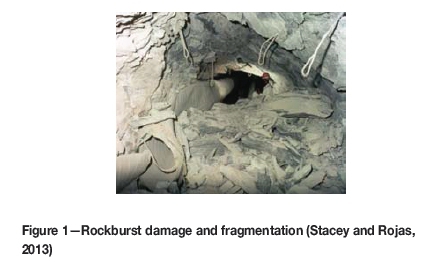
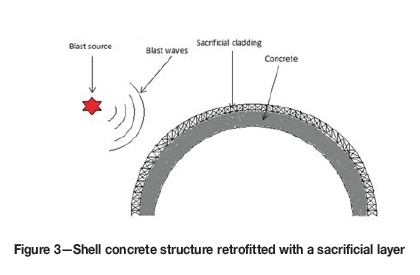
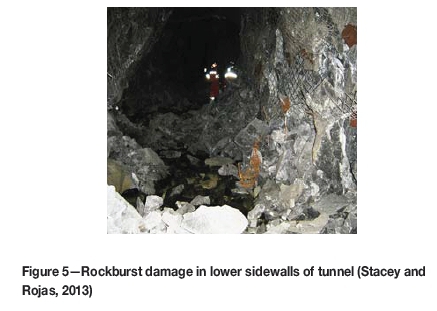
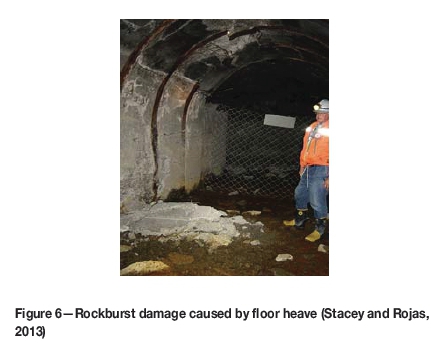
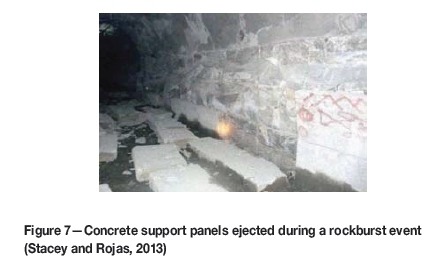
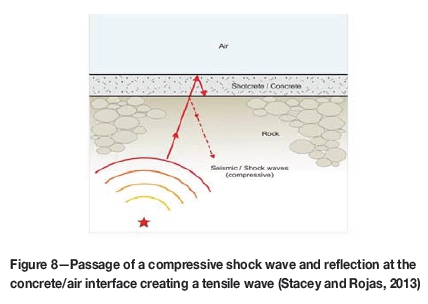
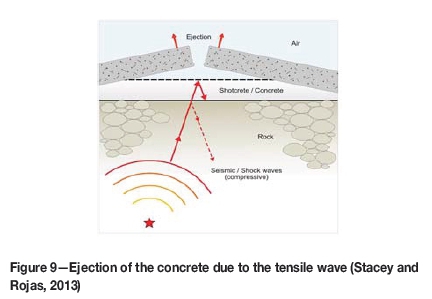
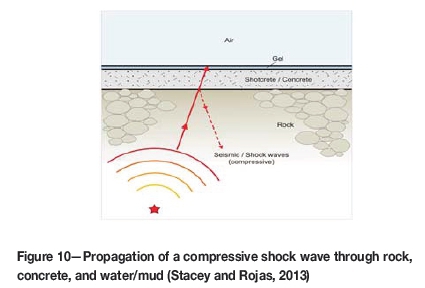
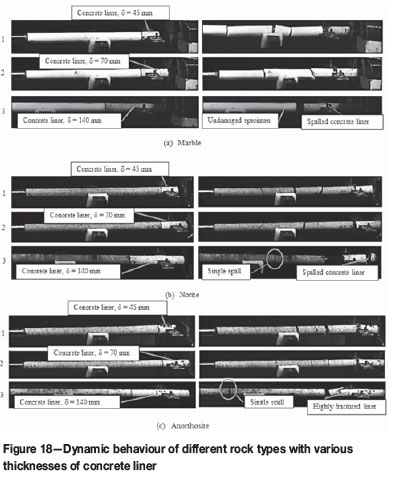
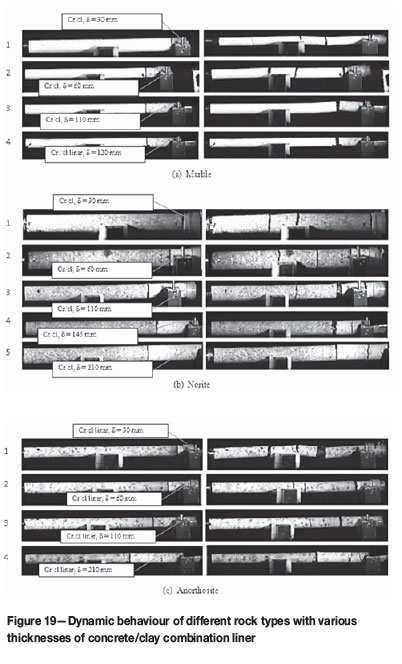
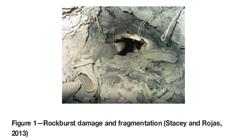
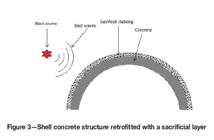
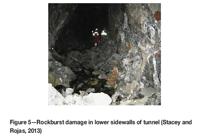
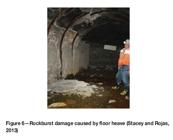
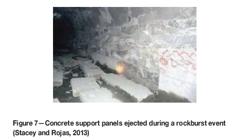
Rockbursts continue to be a major contributor to mine accidents and cause of damage to mine excavations, particularly at great depth. The problem of rockbursts has also escalated in civil engineering tunnels driven at depth, due to high levels of in situ stress at such depths. Attempts have been made in the past to mitigate the impact of rockbursts, with rock support remaining the ultimate method for providing stability in rockbursting environments. However, records show that, on many occasions, conventional support elements such as rockbolts, wire mesh, shotcrete, and lacing fail to withstand severe rockburst events. Recently, a support method termed 'sacrificial' support was proposed as a potential additional method to prevent rockburst damage, based on observations made after rockburst events in a mine. The philosophy behind a sacrificial support system is that, under dynamic loading conditions, support in the form of a liner must fail; leaving behind, undamaged, what was previously supported rock mass. The sacrificial support concept reported herein is applicable in situations where the source (i.e. seismic event) of the rockburst is located remote from where rockburst damage is likely to occur. Spalling tests based on the split Hopkinson pressure bar (SHPB) technique were conducted to study some aspects of dynamic rock fracturing in tension at high strain rates and the role a sacrificial layer plays in combating dynamic rock failure. A single Hopkinson pressure bar, with a long cylindrical intact rock specimen attached at the bar free end, was impacted by a striker on the opposite free end in order to generate a dynamic stress pulse responsible for spall failure upon reflection from the specimen free end. Different liners and liner combinations were then introduced at the specimen free end as support. Such a simple, yet robust, experimental set-up allowed the potential benefits and failure mechanisms associated with sacrificial support under dynamic loading to be demonstrated and compared with 'sacrificial support' behaviour observed in real rockburst events in a mine. Analysis of the results revealed that varying liner thickness and mechanical impedance between rock and support liner play a significant role in limiting rockburst damage.
rockburst; seismic waves; sacrificial layer; Hopkinson pressure bar
 Thumbnail
 Thumbnail
 Thumbnail
 Thumbnail
 Thumbnail
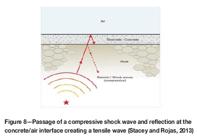 Thumbnail
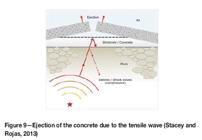 Thumbnail
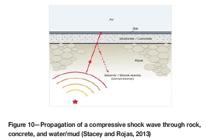 Thumbnail
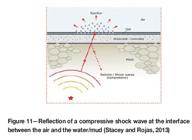 Thumbnail
 Thumbnail
 Thumbnail
 Thumbnail
 Thumbnail
 Thumbnail
 Thumbnail
 Thumbnail
 Thumbnail
 Thumbnail