Natural tourmaline as an efficient alternative to ceramic-type material for plasma spraying
Abstract
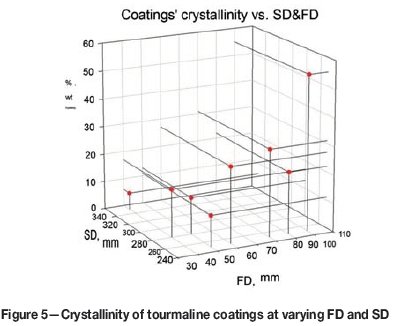
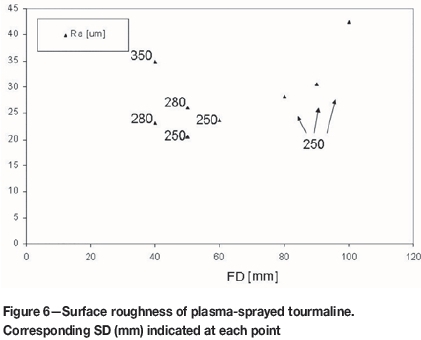
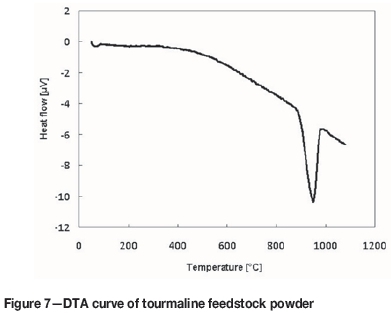
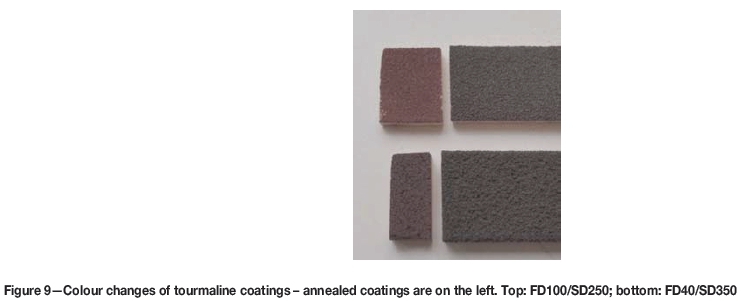
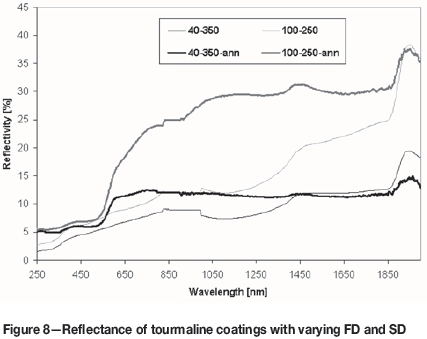
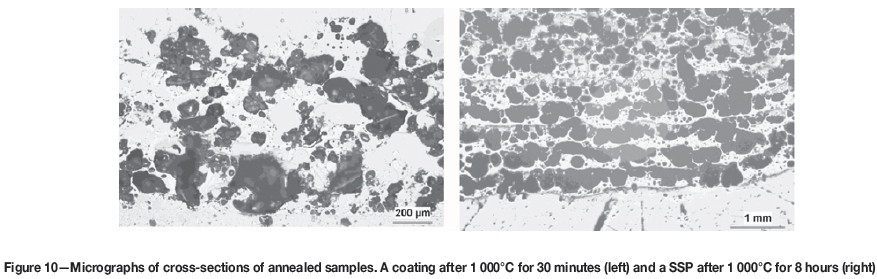
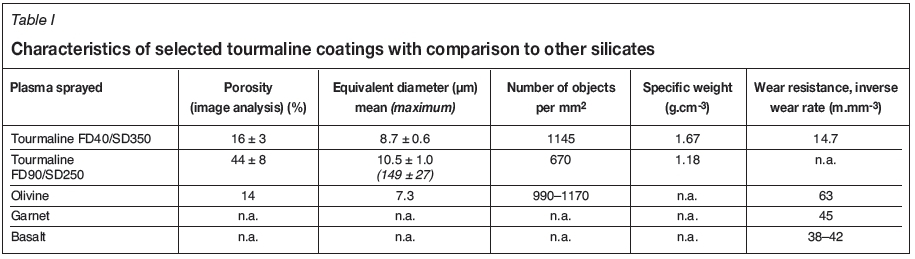
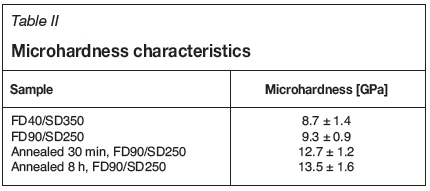
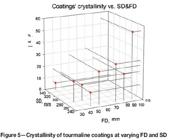
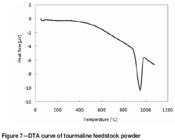
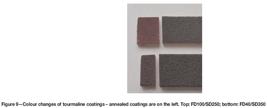
Expensive synthetic materials with top-quality properties are often used to prepare coatings deposited by plasma spraying. Such high quality is not needed for a variety of end-user applications. We selected natural mineral tourmaline as an inexpensive alternative material and sprayed it successfully, forming a ceramic-like coating. The experimental powder for spraying was as-mined tourmaline schorl, and was only crushed and sieved to the appropriate size for plasma spraying with a hybrid water-argon stabilized plasma torch (WSP-H). Deposits on metallic and ceramic substrates, as well as self-supporting plates and samples annealed in air at 1 000°C, were further studied by optical microscopy, X-ray diffraction, thermal and mechanical analysis, and optical reflectance tests. The results showed that the coatings are highly porous (44 ± 8% in the most extreme case) and partly amorphous tourmaline is always formed by plasma spraying. The crystallinity depended on the process parameters. During subsequent annealing, tourmaline decomposed to a mullite-like phase and haematite; this process was accompanied by a microhardness increase, in spite of retained microstructure defects. Plasma spraying of a material with structurally bonded water and with incongruent melting, where both factors are considered as major disadvantages, was demonstrated.
plasma spraying; tourmaline; crystallinity; annealing
 Thumbnail
 Thumbnail
 Thumbnail
 Thumbnail
 Thumbnail
 Thumbnail
 Thumbnail
 Thumbnail
 Thumbnail
 Thumbnail