Dichloromethane-assisted phase separation for simultaneous recovery of oil and rare earth elements from oil-rich grinding sludge
Abstract
Grinding sludge is a gel-like hazardous waste generated in large quantities during metal cutting processes. Conventional calcination and hydrometallurgical treatment of oil-rich grinding sludges emit flue gases and generate insoluble residues. This study proposes CH2Cl2-assisted phase separation under mild conditions to enhance oil removal and metal recovery by overcoming encapsulation effects. Neodymium iron boron grinding sludge, containing 10.4% oil, 8.3% neodymium, 4.5% praseodymium), and 55.8% Fe was selected as a representative material. The dissolution efficiency of the sludge in hydrochloric acid alone or after dichloromethane pretreatment was less than 85%, whereas complete dissolution was achieved using a dichloromethane/hydrochloric acid mixed solvent. After that, phase separation produced an organic phase enriched with 10.44% oil, as well as carbon and grease, and an aqueous phase containing 10 g/L Nd, 3.75 g/L Pr, and 71 g/L Fe. The organic phase could be easily evaporated, allowing for the recovery of approximately 90% of the dichloromethane, with oil, carbon powder, and grease remaining as residues. The aqueous phase was subsequently processed to sequentially precipitate a double salt containing 98.58% Nd/Pr and an iron yellow product with 99.97% Fe. This approach provides an effective and economical strategy for the simultaneous recovery of oil and metallic products from grinding sludge, avoiding the need for harsh conditions or costly equipment. Consequently, it offers significant potential for practical on-site applications in industrial settings.
Grinding sludge; oil-rich NdFeB waste; recycling; dichloromethane; rare earths
Introduction
Neodymium iron boron (NdFeB) is a significant magnetic material consisting of various rare earth elements (München, Veit, 2017). It demonstrates exceptional magnetic properties (Herbst, Croat, 1991), corrosion resistance, and thermal stability, which render it widely applicable in multiple fields, including electric motors (Bozkurt et al., 2021), generators (Rahman, Slemon, 1985), loudspeakers (Warren, 1995), and magnetic resonance imaging (Torresan et al., 2021). During the manufacturing process, NdFeB materials are typically processed into various geometries to meet diverse installation requirements or to enhance their performance characteristics. However, during processing, the generation of NdFeB waste is unavoidable. This waste not only depletes valuable resources but also poses potential environmental risks (Kumari, Sahu, 2023).
The hydrometallurgical process offers several advantages for recovering NdFeB waste, including the generation of high-purity products under mild conditions, reduction of gas emissions, and minimisation of secondary waste (Lin et al., 2019; Önal et al., 2017). A classic approach involves leaching NdFeB waste with hydrochloric acid, which facilitates the precipitation of rare earth elements using oxalic acid (Vander Hoogerstraete et al., 2014) or carbonate (Li et al., 2025). The resulting precipitates are then calcined to produce rare earth powders suitable for reuse in NdFeB magnet production (Kumari et al., 2018). To reduce impurity leaching, various pretreatment methods are employed, including high-temperature calcination (Cong et al., 2023; Erust et al., 2023; Jiang et al., 2020; Omodara et al., 2019; Yadav et al., 2024), hydrothermal leaching (Heo et al., 2024; Rabatho et al., 2013), and hydrogen peroxide/nitrate oxidation (Zhihan et al., 2022). For example, Jiang et al. (2020) calcined NdFeB waste at 800 oC and subsequently treated it hydrothermally at 120 oC, achieving leaching efficiencies of 96.3% for rare earth elements and 13.3% for iron; iron was then precipitated at pH 3.5 with the addition of hydrogen peroxide. The resultant waste typically appears as powder or fragments from dry cutting processes. However, in some manufacturing processes, the lubricants and auxiliary reagents were used to enhance machining accuracy, leading to the generation of abundant oil-rich NdFeB waste (Wang et al., 2022). The removal of oil from the waste is critical in the recovery process (Kang et al., 2024).
In some factories, the oil-rich NdFeB waste is often disposed of by direct combustion. During this process, metallic iron and rare earth powders are oxidised, while the oil components combust and decompose, resulting in significant smoke emissions (Gong et al., 2022). The oxidation of iron can lead to the formation of spinel crystals, which co-crystallise with rare earth elements (Zakeri, Tafaghodi, 2025), thereby reducing the leaching efficiency. Additionally, high-temperature pyrolysis is employed to decompose the oil and facilitate the in situ reduction of rare earth and iron oxides (Chu et al., 2023). In these processes, a layer of "carbon-coating" and "metallic-coating" is generated on NdFeB particles (Liu et al., 2023; Suiyi et al., 2025), leading to substantial leaching residues (Piyawit et al., 2018). To date, recovering oily sludge under mild conditions has not been reported.
This study presents a novel strategy for converting oily sludge into organic compounds, double salts, and akaganeite particles under atmospheric conditions. The corresponding parameters are optimised, and the underlying principles are also discussed.
Materials and methods
Sludge pretreatment
The oil sludge was acquired from Dongya rare earth company (Jilin, China). It was directly immersed into 6M HCl liquid at the solid to liquid ratio of 1:10 without drying, and then agitated at 400 rpm for 6 h. After that, it was collected by the high-speed centrifugation. A repeat experiment was also performed, in which the HCl liquid was replaced by H2O, H2SO4, and NaOH, separately.
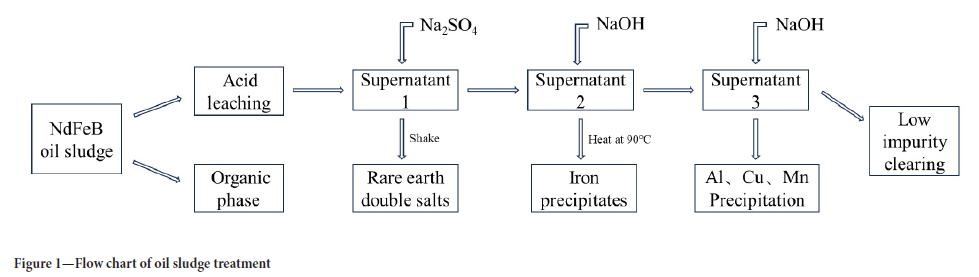
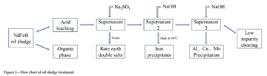
During the leaching tests, the hydrochloric acid was optimised in the leaching of rare earths and then used in the following steps (Figure 1). Firstly, 75 mL hydrochloric acid was mixed with 25 mL dichloromethane, to form a mixed solution. Secondly, 10 g sludge was added to the solution, and then agitated at 400 rpm for 6 h. Thirdly, the mixture was left to stand overnight for stratification. Thus, the water phase and the oil phase were collected separately. The experiment was repeated by replacing the dichloromethane by kerosene, and ethanol, respectively.
Leachate treatment
Rare earth separation
The water phase was rich in rare earths, and then simulated in the laboratory by using pure reagents. To separate the valuable rare earth, the water phase was mixed with 4.5 g Na2SO4, and then agitated at 200 rpm for 5 min. Correspondingly, the Na2SO4 was replaced by using Na2C2O4, NaH2PO4, K2SO4, and (NH4)2SO4, separately. In addition, the reaction conditions were also optimised in the range of 30 g/L - 100 g/L Na2SO4 dosage, room temperature to160 oC and at pH -0.2 - pH 1.5. After reaction, some precipitates were generated, and then collected. The supernatant was also collected for characterisation.
Fe separation
After the separation of rare earths, the resulting supernatant was treated to separate Fe in the following steps. The supernatant was mixed with 4.4 g nitrite, and then heated to 90 oC under atmosphere condition, and then stepwisely adjusted to pH 1.5, 2.0, 2.5, and 3.0. Accordingly, a portion of supernatant was sampled for characterisation.
Results and discussion
Leaching of rare earth from the sludge
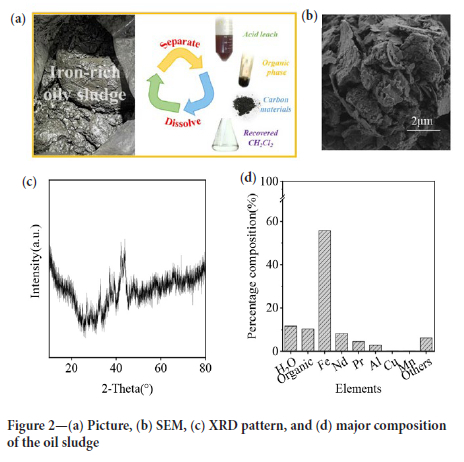
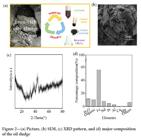
The oil sludge was a black adhesive polymer, and did not show any special diffraction peaks in its XRD pattern (Figures 2a, b, and c). It contained 11.70% water, 10.44% oil, 55.82% Fe, 8.28% Nd, 4.48% Pr, and few impurities of Mn/Cu (Figure 2d).
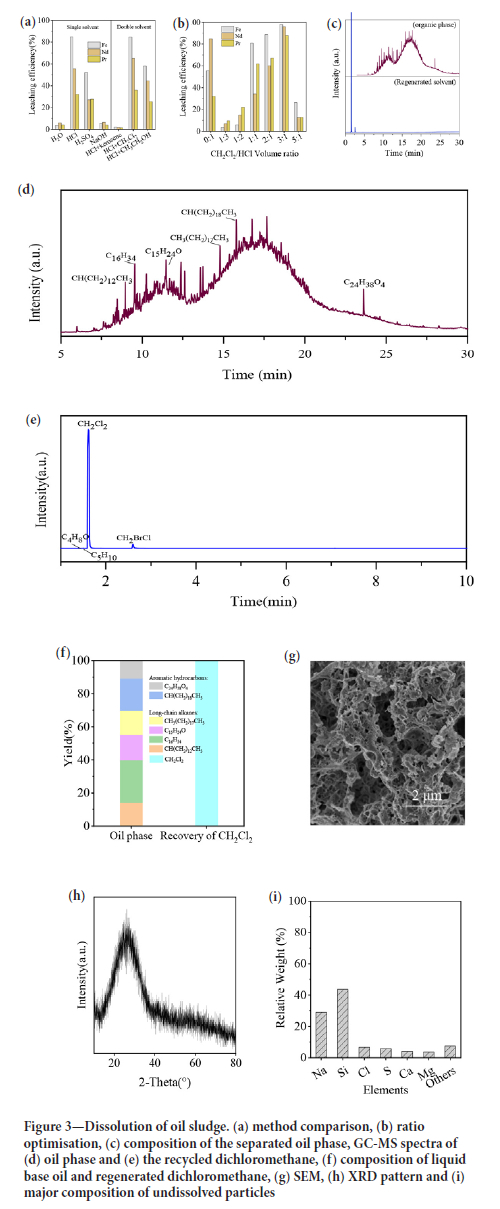
When the oil sludge was washed by water and NaOH, no significant change was observed (Figure 3a). However, by using hydrochloric acid, the leaching efficiencies of Fe, Nd, and Pr were 84.82%, 55.35%, and 32.12%, respectively, higher than those when using sulfuric acid. This showed the benefit of hydrochloric acid in the leaching.
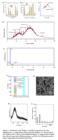
To increase the leaching efficiency, dichlormethane, kerosene, and ethanol were added to act as promoters in hydrochloric acid leaching (Figure 3a). By using dichloromethane, the Fe leaching did not change, but the Nd and Pr leaching became more efficient. The leaching efficiencies of Fe, Nd, and Pr were decreased to 58.03%, 44.41% and 25.26%, respectively, by adding ethanol, and decreased to 2.13%, 1.69% and 1.48%, respectively, by adding kerosene. These results demonstrated the advantage of hydrochloric acid and dichloromethane in leaching the oil sludge.
When the ratio of hydrochloric acid and dichloromethane was varied from 1:3 to 3:1, the leaching efficiencies of Fe, Nd and Pr were also increased from 3.69%, 6.84%, and 9.73, respectively, to 97.89%, 95.93%, and 87.61% respectively; however, when the ratio was further varied to 5:1 the leaching efficiencies dropped to 26.18%, 12.45% and 12.83%, respectively (Figure 3b). The optimal ratio of hydrochloride acid and dichloromethane was 3:1, and the generated leachate contained 71 g/L Fe, 10.0 g/L Nd, 3.75 g/L Pr, 0.90 g/L Al, 0.34 g/L Cu, and 0.24 g/L Mn.
The resulting organic phase was yellowish and is further evaporated at 40 oC to separate dichloromethane, whilst the resulting component comprised 98.63% base oil, 0.13% carbon, and 1.24% grease (Figure 3c). The base oil mainly contained 2, 6, and 10-trimethyltridecane, tetradecane, butylated hydroxytoluene, nonadecane, eicosane, and 1 and 3-benzenedicarboxylic acid bis (2-ethylhexyl) ester (Figure 3d). The regenerated dichloromethane was purified to > 99.7% (Figures 3e and f). However, the base oil comprised 24.98% aromatic hydrocarbons and 75.02% long-chair alkanes (Figure 3e), and can be refined. During the organic phase recovery, about 12.21% dichloromethane was lost due to its rapid evaporation.
After leaching, a small portion of undissolved solid was also generated and attached onto the beaker wall. It is also blackish and sticky, and showed amorphous aggregates with porous surface (Figures 3g and h). After drying, its major composition included 28.98% Na, 43.65% Si, 6.57% Cl, and minor amounts of S, Ca, and Mg.
Rare earth separation and Fe recycling
Rare earth separation route
The leachate was treated by adding sodium salts. When the sodium sulphate was added at the dosage of 60 g/L, the removal of Nd and Pr achieved by 98.25% and 98.92%, with the co-removal of 1.79% Fe, 12.07% Al, 21.74% Cu, and 3.13% Mn (Figure 4a). But by adding sodium oxalate, the removal efficiencies of Nd and Pr were decreased to 93.70% and 93.84%, respectively, whilst these of
Fe, Al, Cu, and Mn were increased to 35.73%, 21.06%, 78.85% and 16.88%, respectively. When the sodium oxalate was replaced by the sodium phosphate, the removal efficiency of Fe did not change, but these of Nd, Pr, Al, and Mn increased to 99.71%, 98.77%, 96.01% and 20.58%, respectively, whilst that of Cu dropped to 20.58%. After precipitation, only the leachate pH of sodium phosphate was increased to 1.94, whilst the others did not vary (Figure 4a). The sodium sulphate was cheap and then used in the following test.
When the dosage of sodium sulphate was increased from 30 g/L to 60 g/L, and 100 g/L, the removal efficiencies of Nd and Pr were increased from 75.10% and 80.18%, respectively (Figure 4b), to 98.25% and 98.92%, respectively, and further to 99.79% and 98.59%, respectively, whilst the removal of Fe, Al, Cu, and Mn did not vary apparently. Accordingly, the leachate pH was slightly increased from -0.2 to 0.47. When the reaction temperature was increased from room temperature to 120 oC, and further to 160 oC, the removal efficiencies of Nd and Pr were unchanged, and those of Fe, Al, Cu, and Mn showed similar variation (Figure 4c). In addition, when the leachate pH was adjusted from -0.2 to 0, 0.8 and 1.5, the Nd and Pr removal also did not vary, whilst the loss of Fe, Al, Cu, and Mn were slightly increased to 3.79%, 18.96%, 24.21%, and 15.61% (Figure 4d), respectively. The final pH also varied to 0.28, 0.84, 1.24, and 1.60. Thereby, the separation of Nd and Pr from the leachate was optimal at the initial pH -0.2 at room temperature with the addition of 60 g/L sodium sulphate. Under such condition, the generated precipitate was a mixture of Nd/Pr sulphate salt (Figure 4e) in the stick-shaped aggregates (Figure 4f). It contained 44.73% Nd, 14.12% Pr, 24.53% S, and 14.91% Na (Figure 4g), in accordance with the formation of Nd3Pr (SO4)3-3Na2SO4-H2O.
Fe removal route
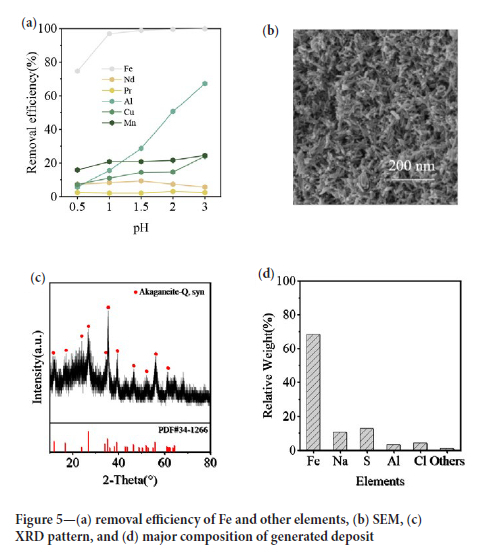
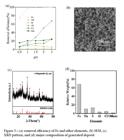
After precipitating Nd and Pr, the resulting concentrations of Nd, Pr, Fe, Al, Cu, and Mn were 0.371 g/L, 0.117 g/L, 70.965 g/L, 0.834 g/L, 0.297 g/L and 0.207 g/L in the supernatant, respectively. The supernatant was further heated to 90 oC with the addition of 58 g/L nitrite, and then adjusted by NaOH. The removal efficiency of Fe was 74.69% at pH 0.5, and rapidly increased to 96.98% at pH 1, and further to 99.92% at pH 1.5, and nearly 100% at pH 2 and 3. Accordingly, the removal efficiencies of Al and Cu were only 5.62% and 7.17% at pH 0.5, respectively, but steadily increased to 15.59% and 10.94% at pH 1 and further to 67.23 and 23.96% at pH 3, respectively. However, the removal efficiencies of Nd, Pr, and Mn were 7.35%, 2.45%, and 15.92% at pH 0.5, respectively, and did not vary with the pH increasing to 1 and 3. The optimal pH for Fe removal is 3.0, and the removed Fe was in the form of akaganeite particles (Figures 5 b and c) and comprised of 68.34% Fe with the major impurities of 10.45% Na, 12.72% S, 3.187% Al, 4.26% Cl, and few Cu, Mn (Figure 5d). The generated akaganeite particles exhibited a high iron (Fe) content exceeding 65%, meeting the standard for high-grade iron ore concentrates. Consequently, these particles serve as a highly desirable raw material for smelting in the iron and steel market.
Major mechanism for recycling oil sludge
The oil sludge was a mixture of metallic particles/oxides, oil and carbon materials, which was then dissolved into the mixture of dichloromethane and hydrochloric acid, with the residual of Si-bearing undissolved solid. The metallic particles and oxides were dissolved in mineral acid, but not in pure water and alkaline liquid. By using hydrochloric acid, the dissolution of Fe, Nd, and Pr only achieved by 84.82%, 55.35% and 32.12%, due to the formation of oil-coated particles (Figure 6a). The oil layer stopped the diffusion of acid, so that large portions of Nd and Pr were not dissolved. The oil sludge comprised 10.44% organics, and showed a 128.22-125.11 contact angle (Figure 6b). It had a hydrophobic surface and was then washed by dichloromethane, to produce amorphous aggregates (Figures 6c and d). Such aggregates were also dissolved using hydrochloric acid. In order to produce a portion of undissolved particles twenty-four times greater, a mixture of dichloromethane and hydrochloric acid was used. This is attributed to the metallic layer and the oil layer. The metallic layer covered the organics and then inhibited the dissolution of organics into dichloromethane (Figure 6a). Subsequently, the metallic layer was dissolved by hydrochloride acid, and then the oil layer was exposed, to stop the following dissolution of hydrochloric acid. Thus, by using the mixture of dichloromethane and hydrochloric acid, the dissolution of oil layer and the metallic layer continued, into the dichloromethane phase and the acid liquid phase, separately.
The sulphuric acid also dissolved Nd and Pr from the oil sludge, to form FeHSO4+, Fe2+ and FeSO4 (Figure 6e). This step did not precipitate the double salt due to the lack of sodium ion. Comparing with the sulfuric acid, the hydrochloric acid provided enough chloride to complex Nd and Pr to form Fe2+ and FeCl+ (Figure 6f), and thereby showed high dissolution efficiency of Nd and Pr. The dichloromethane was a good solvent that can efficiently dissolve oils, compared to ethanol and kerosene. Only a few organic-metal complexes were attached onto the sludge and then released into water, in accordance with the low dissolution of Fe, Nd, and Pr into the pure water and the alkaline liquid.
After dissolution, the dichloromethane became blackish, and was regenerated to a transparent via an evaporation route, with the separation of base oil. The obtained acid solution contained Fe, Nd, Pr and other metallic ions, and was precipitated by using sodium sulphate, to separate Nd and Pr prior to Fe (Equations 1 and 2). The separation of Nd and Pr as a double salt was only affected with a dosage of sodium sulphate, and not with the reaction temperature and the initial pH condition. The Nd/Pr double salt was small particles and revealed a surface to adsorb such metallic ions, including Fe, Al, Cu, and Mn. When the initial pH was adjusted to 1.5, a portion of Fe, Al, Cu, and Mn was also hydrolysed as hydrated ion. This enhanced the attachment/adsorption of Fe/Al/Cu/Mn on the Nd/Pr double salt. But when the sodium sulphate was replaced by sodium oxalate, the reaction of oxalate and Nd/Pr took place, along with the precipitation of ferrous iron oxalate and cupric oxalate (Klemettinen et al., 2023). The phosphate similarly reacted to precipitate Nd, Pr, Fe, and Al. This added more impurities into the Nd/Pr double salt(He et al., 2022).

After the precipitation of Nd and Pr, the supernatant contained an abundance of ferrous iron and minor Al, Cu, and Mn. The ferrous iron was rapidly oxidised to ferric iron by adding nitrite (Equation 3), and then precipitated as Fe-rich oxyhydroxides (Equations 4 and 5) by adding sodium hydroxide. At room temperature, the ferric iron was hydrolysed as flocs, which flocculated and co-precipitated Al, Cu, and Mn. But the ferric iron was hydrolysed and rapidly crystallised as needle-sharp akaganeite particles at 90 oC (Figure 6g). The particles showed a small number of surface sites comparing with the flocs, and led to the decrease of the co-removal of Al, Cu, and Mn.
Application and perspectives
After Fe separation, the resulting supernatant also comprised 0.25 g/L Fe, 0.33 g/L Nd, 0.19 g/L Pr, and few Al, Cu, and Mn (Figure 7a). The solution was directly adjusted to pH 12, and more than 99.51% Fe, Nd, Pr, Al, Cu, and Mn were co-precipitated as irregular particles (Figure 7b). The particles also showed a broad peak in their XRD patterns (Figure 7c), in accordance with the formation of amorphous Fe-rich oxyhydroxides. Such deposits can be collected and then re-dissolved in the hydrochloric acid. Thus, they can be mixed with the oil sludge and dissolved in the aforementioned step. However, with the precipitation treatment, the resulting solution was rich in sodium chloride and sodium sulphate, and often evaporated to produce waste salt that should be further treated by others.
With the aforementioned treatment, the oil sludge was completely recycled as products, including the base oil, the double salt and the Fe-rich particles. Figure 7d showed that nearly all organics were separated as base oil, carbon particles and grease. 98.25% Nd and 98.92% Pr were recycled as the double salt, and more than 98.13% Fe was separated as high-purity Fe oxyhydroxides. The base oil can be reused as fuel, in calcination or in the heating industry. The Fe-rich oxyhydroxides contained 65.12% Fe and can be used as raw materials in iron and steel smelting. The resulting rare earths and other metals were coprecipitated and then collected for dissolution in the next process.
The aforementioned recycling of oil sludge also has some defects. Firstly, the dichloromethane was used as solvent for dissolving the oil sludge, but it is volatile and carcinogenic, and harmful to the atmospheric environment. Secondly, the Fe removal was performed at 90 oC, and often consumed extra energy. Thirdly, sodium and sulphate ions were added to the leachate with the removal of Fe, Nd, and Pr. The leachate was salty waste and should be further treated.
Conclusion
A novel strategy was developed to recover organic products, double salts, and akaganeite particles from the oil-rich NdFeB waste under atmospheric conditions. The NdFeB sample was composed of 10.44% oil phase and 77.62% metallic components. It was effectively dissolved in a mixed reagent comprising 98.86% dichloromethane and 99.17% hydrochloric acid. Following stratification, this process resulted in the separation of an organic phase and an acid leachate, with a small amount of Si/Na-rich undissolved solids remaining. Moreover, over 85% of the dichloromethane was regenerated by evaporating the organic phase at 40 °C. The evaporation process also yielded three marketable products: carbon materials, grease, and base oil. The acid leachate, which demonstrated high concentrations of Nd, Pr, and Fe, was subsequently processed to precipitate Nd/ Pr as double salts and Fe as akaganeite particles. This strategy facilitated the recycling of 98.25% Nd, 98.92% Pr, 99.97% Fe, and nearly 100% of the organic components from the oil-rich NdFeB.
Credit authorship contribution statement
Minglin Zheng: Writing original draft. Xin Lan: Software. Weilu Yang: Supervision, project administration, formal analysis. Htet Oo Kaung: Software, data curation. Yu Chen: Software. Wensheng Qin: Supervision. Dejun Bian: Resources, validation. Hua Kang: Formal analysis. Suiyi Zhu: Writing - original draft, methodology, funding acquisition, conceptualisation.
Declaration of competing interest
The authors declare that they have no known competing financial interests or personal relationships that could have appeared to influence the work reported in this paper.
Data availability statement
All data supporting the findings of this study are included in this published article and its supplementary information files.
Acknowledgement
This work was supported by the National Natural Science Foundation of China (No. 52370158, 52470076 and 52070038), the Science and Technology Programme of Jilin Province (Grant No. 20240304153SF), the Featured Innovation Project of Guangdong Provincial Department of Education (No. 2023KTSCX050).
References
-
Bozkurt, A., Baba, A., Oner, Y. 2021, 2021. Design of Outer-Rotor Permanent-Magnet-Assisted Synchronous Reluctance Motor for Electric Vehicles. Energies. https://doi.org/10.3390/en14133739
» https://doi.org/10.3390/en14133739 -
Chu, Z., Li, Y., Zhang, C., Fang, Y., Zhao, J. 2023. A review on resource utilization of oil sludge based on pyrolysis and gasification. Journal of Environmental Chemical Engineering, vol. 11, no.3, pp. 109692. https://doi.org/https://doi.org/10.1016/i,iece.2023.109692
» https://doi.org/https://doi.org/10.1016/i,iece.2023.109692 -
Cong, L., Yu, L., Zhou, Q., Lu, Q., Yue, M. 2023. Short-process recycling of Nd-Fe-B sintered magnet sludge wastes: Challenges and approaches. Journal of Rare Earths, vol.41, no.10, pp. 1467-477. https://doi.org/https://doi.org/10.1016/i.ire.2023.04.019
» https://doi.org/https://doi.org/10.1016/i.ire.2023.04.019 -
Erust, C., Karacahan, M. K., Uysal, T. 2023. Hydrometallurgical Roadmaps and Future Strategies for Recovery of Rare Earth Elements. Mineral Processing and Extractive Metallurgy Review, vol. 44, no. 6, pp. 436-450. https://doi.org/10.1080/08827508.2022.2073591
» https://doi.org/10.1080/08827508.2022.2073591 -
Gong, Z., Zhang, H., Juan, Y., Zhu, L., Zheng, W., Ding, J., Tian, M., Li, X., Zhang, J., Guo, Y., Li, G. 2022. A review of application and development of combustion technology for oil sludge. Journal of Environmental Science and Health, Part A, vol. 57, no.5, pp. 396-412. https://doi.org/10.1080/10934529.2022.2071067
» https://doi.org/10.1080/10934529.2022.2071067 -
He, L., Xu, Q., Li, W., Dong, Q., Sun, W. 2022. One-step separation and recovery of rare earth and iron from NdFeB slurry via phosphoric acid leaching. Journal of Rare Earths, vol. 40, no. 2, pp. 338-344. https://doi.org/https://doi.org/10.1016/i.ire.2021.01.003
» https://doi.org/https://doi.org/10.1016/i.ire.2021.01.003 -
Heo, S., Kim, R., Yoon, H.-S., Kim, C.-J., Chung, K. W., Lee, S. 2024. Effect of pretreatment methods on the selective leaching of rare earth elements from NdFeB permanent magnets using deep eutectic solvents. Hydrometallurgy, vol. 226, pp. 106284. https://doi.org/10.1016/i.hydromet.2024.106284
» https://doi.org/10.1016/i.hydromet.2024.106284 -
Herbst, J.F., Croat, J.J. 1991. Neodymium-iron-boron permanent magnets. Journal of Magnetism and Magnetic Materials, vol. 100, no. 1, pp. 57-78. https://doi.org/10.1016/0304-8853(91)90812-O
» https://doi.org/10.1016/0304-8853(91)90812-O -
Jiang, Y., Deng, Y., Xin, W., Guo, C. 2020. Oxidative Roasting- Selective Pressure Leaching Process for Rare Earth Recovery from NdFeB Magnet Scrap. Transactions of the Indian Institute of Metals, vol. 73, no.3, pp. 703-711. https://doi.org/10.1007/s12666-020-01888-x
» https://doi.org/10.1007/s12666-020-01888-x -
Kang, C., Guo, J., Kiyingi, W., Fei, D., Xiong, R. 2024. Sustainable treatment and recycling of oily sludge: Incorporation into gel-system to improve oil recovery. Journal of Cleaner Production, vol. 436, pp. 140640. https://doi.org/https://doi.org/10.1016/j.jclepro.2024.140640
» https://doi.org/https://doi.org/10.1016/j.jclepro.2024.140640 - Klemettinen, A., Adamski, Z., Chojnacka, I., Lesniewicz, A., Rycerz, L. 2023. Recovery of Rare Earth Elements from the Leaching Solutions of Spent NdFeB Permanent Magnets by Selective Precipitation of Rare Earth Oxalates. Minerals, vol. 13, no.7.
-
Kumari, A., Sahu, S.K. 2023. A comprehensive review on recycling of critical raw materials from spent neodymium iron boron (NdFeB) magnet. Separation and Purification Technology, vol. 317, pp. 123527. https://doi.org/https://doi.org/10.1016/j.seppur.2023.123527
» https://doi.org/https://doi.org/10.1016/j.seppur.2023.123527 -
Kumari, A., Sinha, M.K., Pramanik, S., Sahu, S.K. 2018. Recovery of rare earths from spent NdFeB magnets of wind turbine: Leaching and kinetic aspects. Waste Management, vol. 75, pp. 486-498. https://doi.org/https://doi.org/10.1016/j.wasman.2018.01.033
» https://doi.org/https://doi.org/10.1016/j.wasman.2018.01.033 -
Li, S., Wu, S., Wang, S., Liu, G., Zhan, Y., Tong, J., Zhou, K., Xie, H. 2025. High-efficiency removal of rare earth elements from acid mine drainage by microbially induced carbonate precipitation process. Journal of Water Process Engineering, vol. 71, pp. 107134. https://doi.org/https://doi.org/10.1016/j.jwpe.2025.107134
» https://doi.org/https://doi.org/10.1016/j.jwpe.2025.107134 -
Lin, X., Qu, Z., Chen, Y., Jin, R., Su, T., Yu, Y., Zhu, S., Huo, M., Peng, J., Wang, Z. 2019. A novel application of hematite precipitation for high effective separation of Fe from Nd-Fe-B scrap. Scientific Reports, vol. 9, no. 1, pp. 18362. https://doi.org/10.1038/s41598-019-54896-3
» https://doi.org/10.1038/s41598-019-54896-3 -
Liu, J., Ji, M., Qin, J., Zhu, J., Zhu, S. 2023. Catalytic Performance of Fe-Rich Sludge in Pyrolysis of Waste Oil Scum as Volatiles and Magnetic Char. vol. 15, no. 14, pp. 2637. https://www.mdpi.com/2073-4441/15/14/2637
» https://www.mdpi.com/2073-4441/15/14/2637 -
München, D.D., Veit, H.M. 2017. Neodymium as the main feature of permanent magnets from hard disk drives (HDDs). Waste Management, vol. 61, pp. 372-376. https://doi.org/https://doi.org/10.1016/j.wasman.2017.01.032
» https://doi.org/https://doi.org/10.1016/j.wasman.2017.01.032 -
Omodara, L., Pitkäaho, S., Turpeinen, E.-M., Saavalainen, P., Oravisjärvi, K., Keiski, R.L. 2019. Recycling and substitution of light rare earth elements, cerium, lanthanum, neodymium, and praseodymium from end-of-life applications - A review. Journal of Cleaner Production, vol 236, pp. 117573. https://doi.org/10.1016/i.iclepro.2019.07.048
» https://doi.org/10.1016/i.iclepro.2019.07.048 -
Önal, M.A.R., Borra, C.R., Guo, M., Blanpain, B., Van Gerven, T. 2017. Hydrometallurgical recycling of NdFeB magnets: Complete leaching, iron removal and electrolysis. Journal of Rare Earths, vol. 35, no. 6, pp. 574-584. https://doi.org/10.1016/S1002-0721(17)60950-5
» https://doi.org/10.1016/S1002-0721(17)60950-5 - Piyawit, W., Sawananusorn, P., Srikhang, L., Buahombura, P., Akkarapattanagoon, N., Patcharawit, T., Khumkoa, S. 2018. Selective Extraction and Recovery of Rare Earth Metals (REMs) from NdFeB Magnet Grinding Sludge. Extraction 2018, Cham.
-
Rabatho, J.P., Tongamp, W., Takasaki, Y., Haga, K., Shibayama, A. 2013. Recovery of Nd and Dy from rare earth magnetic waste sludge by hydrometallurgical process. Journal of Material Cycles and Waste Management, vol 15, no. 2, pp. 171-178. https://doi.org/10.1007/s10163-012-0105-6
» https://doi.org/10.1007/s10163-012-0105-6 -
Rahman, M., Slemon, G. 1985. Promising applications of neodymium boron Iron magnets in electrical machines. IEEE Transactions on Magnetics, vol. 21, no. 5, pp. 1712-1716. https://doi.org/10.1109/TMAG.1985.1064113
» https://doi.org/10.1109/TMAG.1985.1064113 -
Suiyi, Z., Xin, L., Minglin, Z., Yingzi, L., Siwen, L., Kaung, H.O., Weilu, Y., Wensheng, Q., Temuujin, J., Yang, Y., Jiancong, L., Wenjing, L., Yu, C. 2025. Hydrometallurgy recycling of heavy metals from electroplating sludge: Recent development and challenge. Chemical Engineering Research and Design, vol. 214, pp. 269-280. https://doi.org/10.1016/j.cherd.2024.12.035
» https://doi.org/10.1016/j.cherd.2024.12.035 -
Torresan, V., Guadagnini, A., Badocco, D., Pastore, P., Muñoz Medina, G.A., Fernandez van Raap, M.B., Postuma, I., Bortolussi, S., Bekic, M., Colic, M., Gerosa, M., Busato, A., Marzola, P., Amendola, V. 2021. Biocompatible Iron-Boron Nanoparticles Designed for Neutron Capture Therapy Guided by Magnetic Resonance Imaging. vol. 10, no. 6, pp. 2001632. https://doi.org/10.1002/adhm.202001632
» https://doi.org/10.1002/adhm.202001632 -
Vander Hoogerstraete, T., Blanpain, B., Van Gerven, T., Binnemans, K. 2014. From NdFeB magnets towards the rare-earth oxides: a recycling process consuming only oxalic acid [10.1039/ C4RA13787F]. RSC Advances, vol. 4, no. 109, pp. 64099-64111. https://doi.org/10.1039/C4RA13787F
» https://doi.org/10.1039/C4RA13787F -
Wang, Y., Sun, B., Gao, F., Chen, W., Nie, Z. 2022. Life cycle assessment of regeneration technology routes for sintered NdFeB magnets. The International Journal of Life Cycle Assessment, vol. 27, no. 8, pp. 1044-1057. https://doi.org/10.1007/s11367-022-02081-6
» https://doi.org/10.1007/s11367-022-02081-6 -
Warren, D.M. 1995. Neodymium iron boron and professional audio loudspeakers. The Journal of the Acoustical Society of America, 98(5_Supplement), pp. 2871-2871. https://doi.org/10.1121/L413157
» https://doi.org/10.1121/L413157 -
Yadav, J., Sarker, S.K., Bruckard, W., Jegatheesan, V., Haque, N., Singh, N., Pramanik, B.K. 2024. Greening the supply chain: Sustainable approaches for rare earth element recovery from neodymium iron boron magnet waste. Journal of Environmental Chemical Engineering, vol. 12, no. 4, pp. 113-169. https://doi.org/https://doi.org/10.1016/j.jece.2024.113169
» https://doi.org/https://doi.org/10.1016/j.jece.2024.113169 -
Zakeri, A., Tafaghodi, L. 2025. A Review of the Current Progress in High-Temperature Recycling Strategies for Recovery of Rare-Earth Elements from Magnet Waste. Journal of Sustainable Metallurgy. https://doi.org/10.1007/s40831-025-01010-9
» https://doi.org/10.1007/s40831-025-01010-9 -
Zhihan, Z., Dong, W., Chenghao, L., Wang, Z., Wanhai, X., Guoyu, Q., Guobiao, L. 2022. New insight into oxidative roasting and leaching for NdFeB waste. Journal of Environmental Chemical Engineering, vol. 10, no. 6, pp. 108946. https://doi.org/10.1016/j.jece.2022.108946
» https://doi.org/10.1016/j.jece.2022.108946
Revised: 18 Oct. 2025
Accepted: 26 Jun. 2026
Published: Aug. 2026
ORCiD:
Z. Minglin https://orcid.org/0009-0004-2972-4472
L. Xin https://orcid.org/0009-0002-8094-8485
Y. Weilu https://orcid.org/0000-0003-3985-9093
K. Htet Oo https://orcid.org/0009-0003-5792-8010
C. Yu https://orcid.org/0009-0003-4062-2760
Q. Wensheng https://orcid.org/0000-0003-2178-4003
B. Dejun https://orcid.org/0000-0001-6188-6560
K. Hua https://orcid.org/0000-0002-1093-3168
Z. Suiyi https://orcid.org/0009-0005-9710-1151