Modelling and optimization of zinc recovery from Enyigba sphalerite in a binary solution of hydrochloric acid and hydrogen peroxide
Abstract
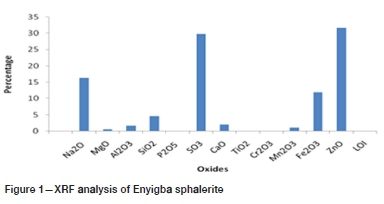
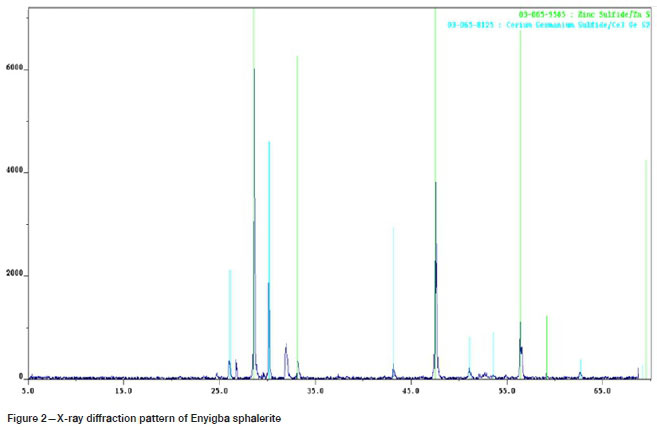
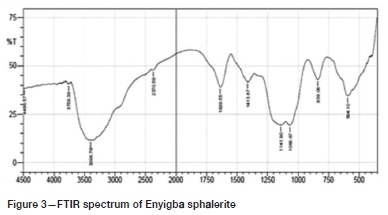
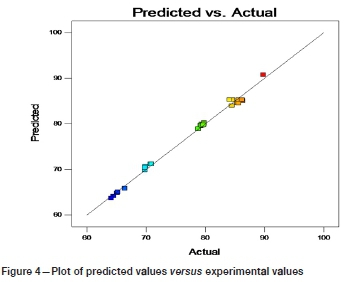
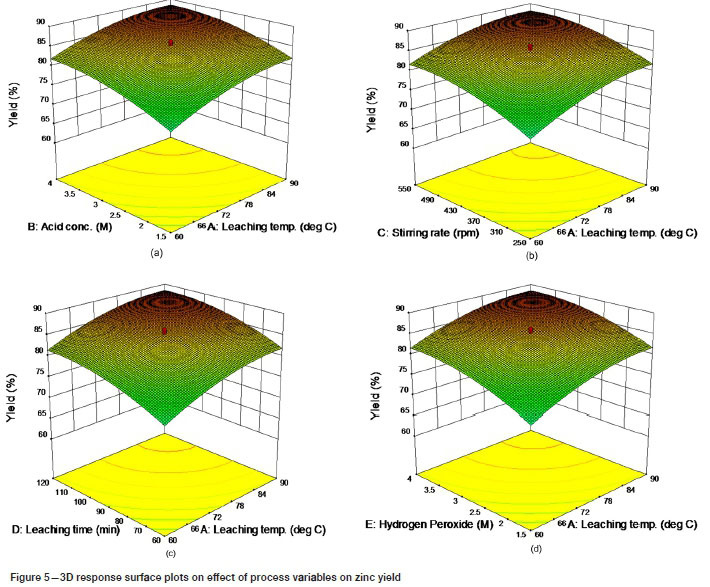
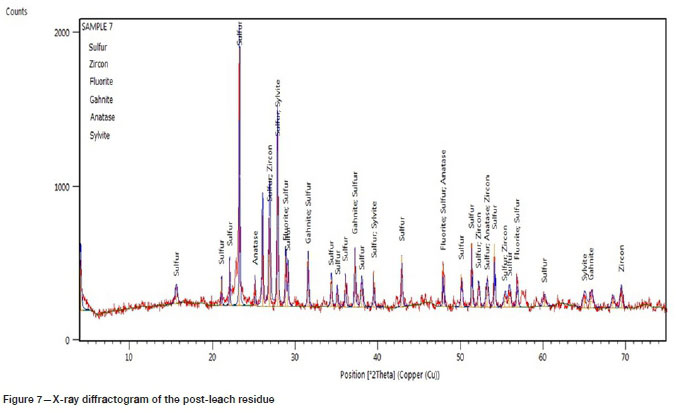
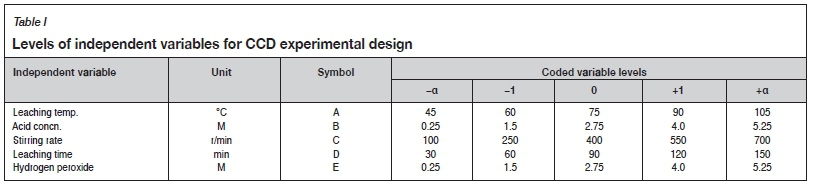
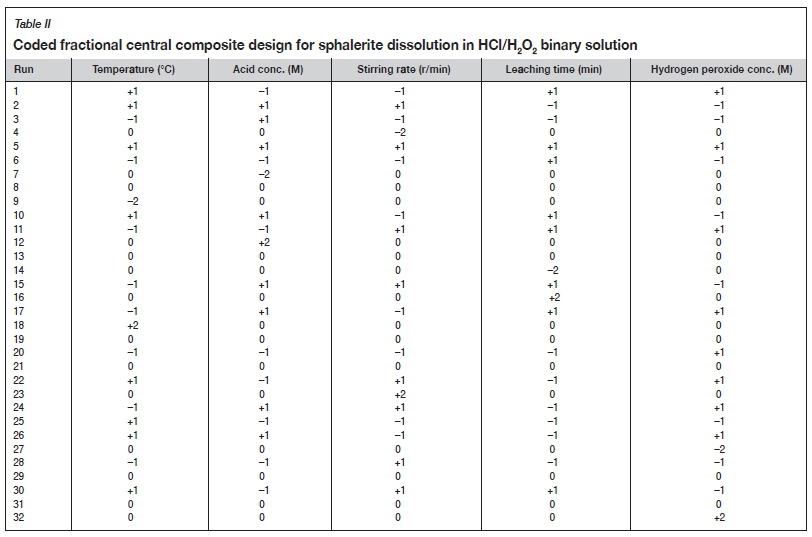
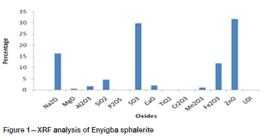
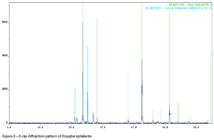
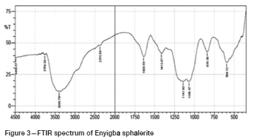
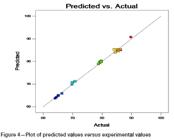
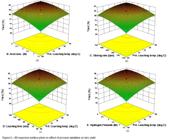
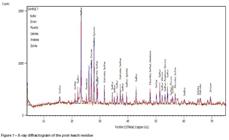
This work focused on the prediction of optimal conditions for zinc recovery from sphalerite in a binary solution of hydrochloric acid and hydrogen peroxide. The sphalerite sample was characterized with X-ray fluorescence spectrometry (XRF), X-ray diffractometry, and Fourier transform infrared analysis (FTIR). The central composite design of response surface methodology (RSM) developed in Design Expert software and the genetic algorithm (GA) tool in matlab, were deployed for the optimization exercise. The leaching temperature, acid concentration, stirring rate, leaching time, and hydrogen peroxide concentration were defined as input variables, while zinc yield was the response. An ideal zinc yield of 90.89% could be obtained with a leaching temperature of 84.17°C, HCl concentration of 3.14 M, stirring rate of 453.08 r/min, leaching time of 107.55 minutes, and hydrogen peroxide concentration of 3.93 M using RSM; while a yield of 87.73% was obtained using GA. Analysis of the post-leaching residue revealed the presence of sulphur, zircon, fluorite, gahnite, anatase, and sylvite.
sphalerite leaching; genetic algorithm; optimization; response surface methodology
 Thumbnail
 Thumbnail
 Thumbnail
 Thumbnail
 Thumbnail
 Thumbnail