A comparative evaluation of the impact of average speed enforcement (ASE) on passenger and minibus taxi vehicle drivers on the R61 in South Africa
Abstract
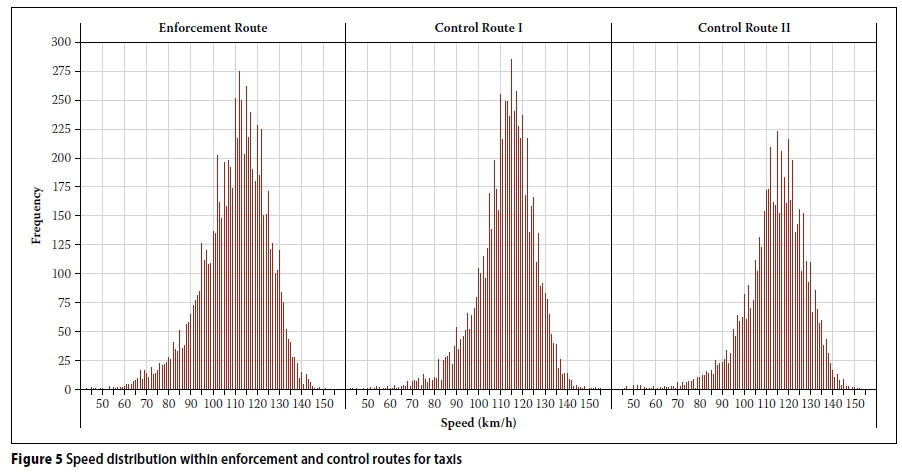
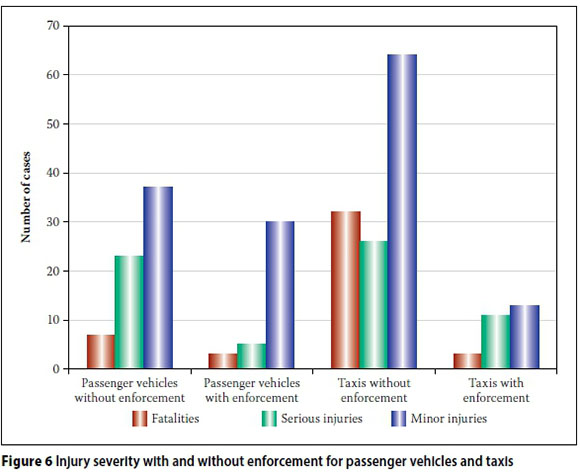
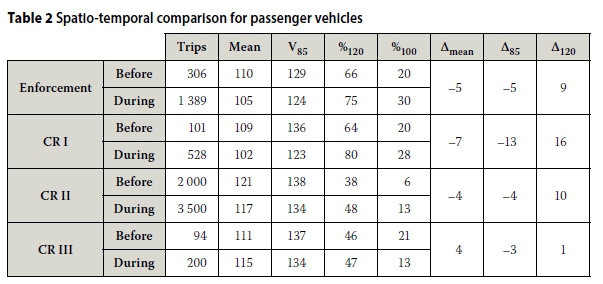
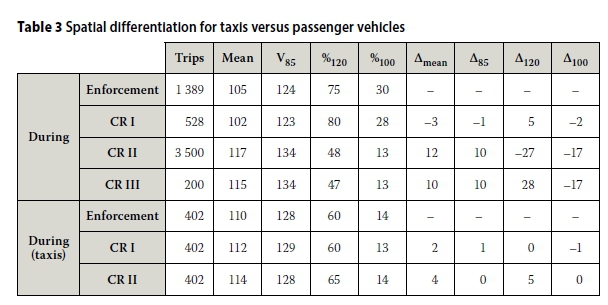
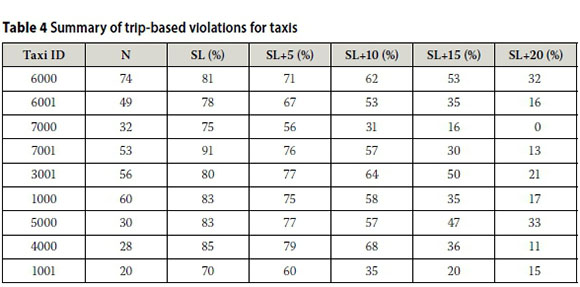
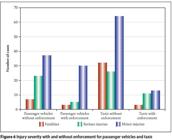
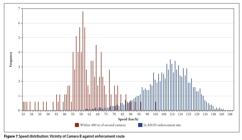
Average speed enforcement (ASE) is an emergent alternative to instantaneous speed limit enforcement to improve road safety, and is used to enforce an average speed limit over a road segment. This paper presents a study on the response of passenger vehicles and minibus taxis to ASE on the R61 in South Africa. A spatio-temporal quantitative study of speed compliance was conducted, where metrics such as speed variability, average speed and 85th percentile speed measured prior to, and during enforcement, were analysed for two prominent modes of transport - passenger vehicles and minibus taxis. These measurements were taken on the enforcement route and on control routes adjacent to and further away from the enforcement route. A qualitative study was also conducted to evaluate the relationship between speed compliance and driver understanding of the system. The impact of the system on crash risk and injury severity was also examined before and during enforcement. For passenger vehicles, results showed that the introduction of ASE was followed by a reduction in mean speed on the enforcement route and adjacent control route. For minibus taxis, it was found that ASE appears to have little influence on improving speed compliance, which is likely associated with a lack of driver understanding of how the system operates.
average speed; enforcement; control; minibus taxi; passenger vehicle; informal public transport
 Thumbnail
 Thumbnail
 Thumbnail
 Thumbnail
 Thumbnail
 Thumbnail
 Thumbnail