Estimating car ownership and transport energy consumption: a disaggregate study in Nelson Mandela Bay
Abstract
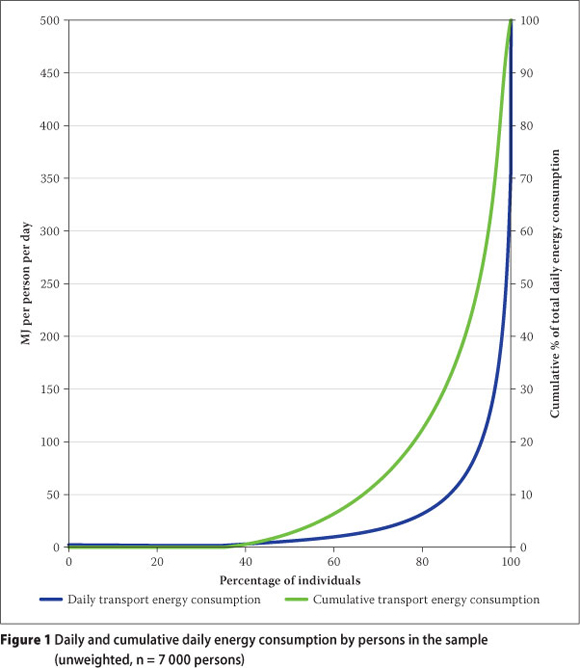
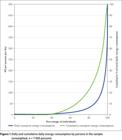
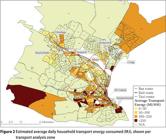
This paper investigates energy consumption patterns by households and individuals during travel on a typical day. A methodology is developed to estimate trip-by-trip energy consumption using standard 24-hour travel survey data, and applied to the Nelson Mandela Metropolitan Area using their 2004 household travel survey. Baseline energy consumption patterns by different modes, times of day, and user groups are established. Across the population, energy use is very skewed: 20% of people consume about 80% of transport energy, mainly due to the disproportional contribution of car use to energy expenditure. We then estimate a disaggregate vehicle ownership model and link it to a model of household transport energy consumption to explore the underlying socio-economic and land use variables driving energy consumption. Land use factors (especially job accessibility) significantly affect energy use, but do so differently for low and for high-income households, suggesting that accessibility-enhancing land use and transport measures could have unintended consequences for overall energy and environmental management
travel behaviour; energy consumption; land use; vehicle ownership model; travel demand management
 Thumbnail
 Thumbnail