Systemic efficiency and capacity: A vital combination in the design of dedicated rail freight projects in Southern Africa
Abstract
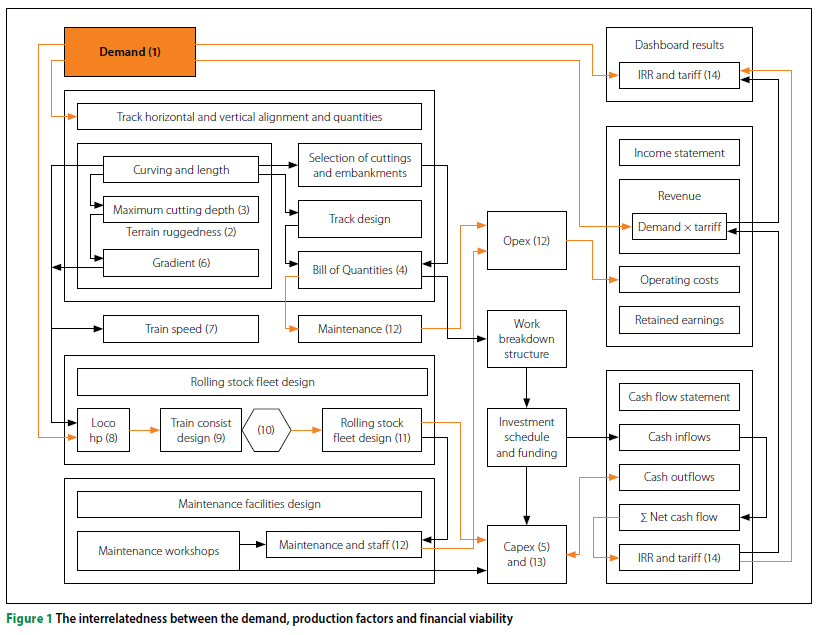
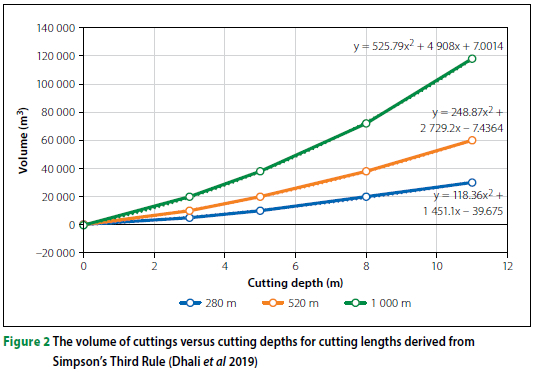
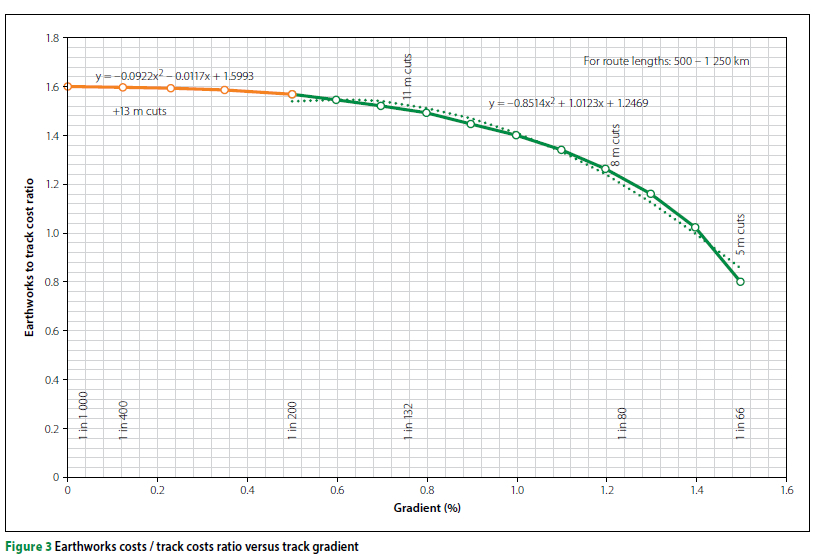
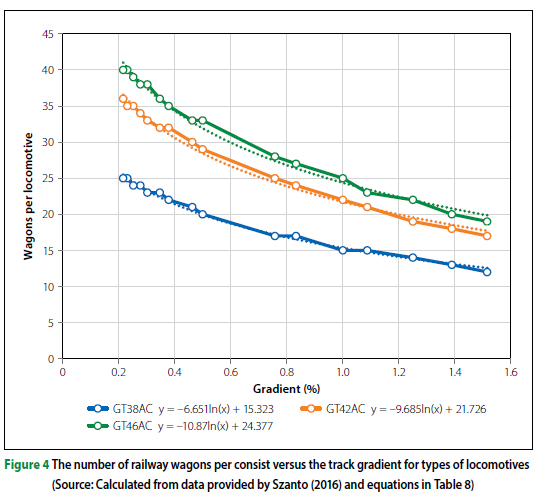
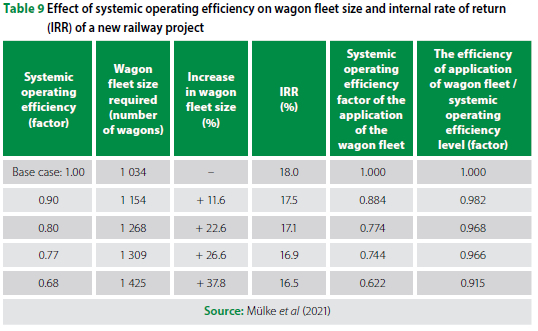
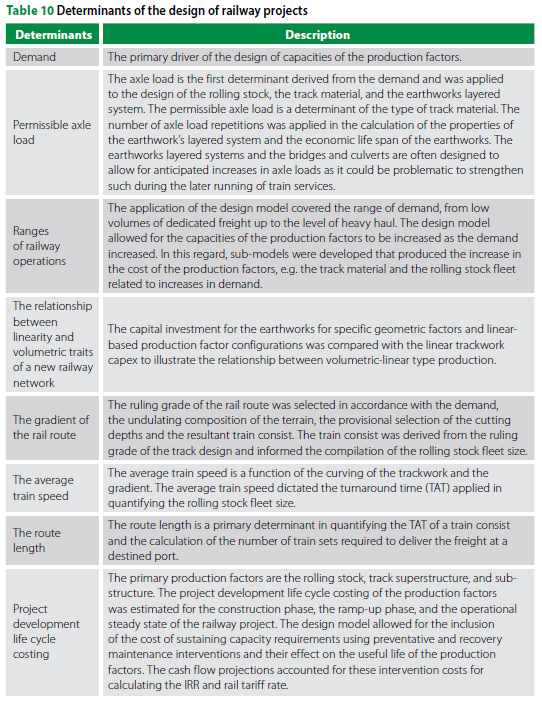
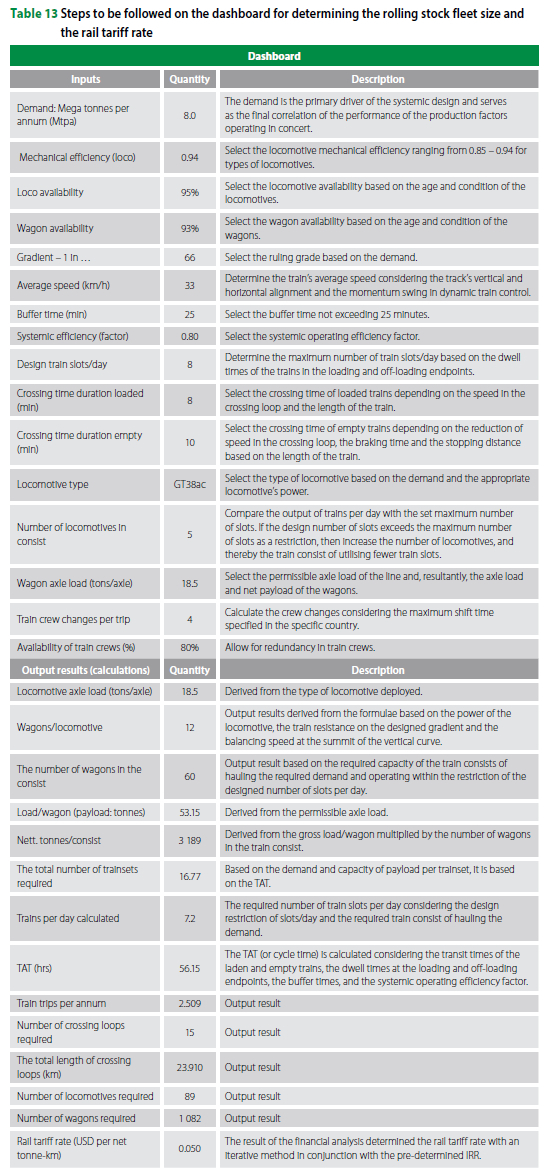
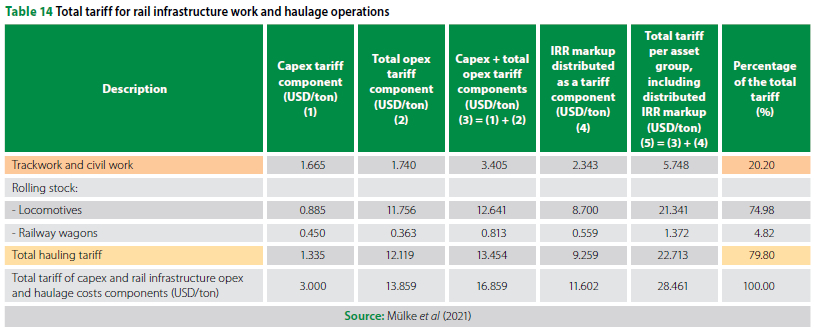
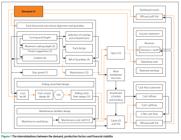
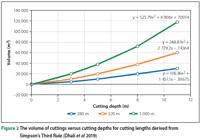
A model was composed that integrated demand for railway services, systemic capacity design of production factors, operating efficiency, and the financial viability of the designed railway operations of a dedicated rail freight project. The design model incorporated efficiency measures essential to successfully developing new railway systems. The investment in rail infrastructure concerning the geometric parameters and their effect on the project's viability was deduced. A relationship between the geometric layout of track alignment and the hauling process of freight was determined. Results from simulation work to ascertain the operating efficiency informed the design of train-crossing capacity. The effect of inefficiencies on the performance of the production factors and the influence thereof on the rail tariff and the internal rate of return was determined. The design model covered the range of demand from low volumes of dedicated freight to the advent of heavy-haul operations, and will find its application in cases of new green-field projects. The design parameters applied in sub-models were correlated with the results of field tests and individual new railway projects undertaken in Southern Africa. The results of the effect of systemic operating efficiency on the capacity of the rolling stock fleet were illustrated.
demand; capacity; systemic operating efficiency; tariff rate; internal rate of return
 Thumbnail
 Thumbnail
 Thumbnail
 Thumbnail
 Thumbnail
 Thumbnail
 Thumbnail
 Thumbnail
 Thumbnail
 Thumbnail
 Thumbnail