The application and interpretation of linear finite element analysis results in the design and detailing of hogging moment regions in reinforced concrete flat plates
Abstract
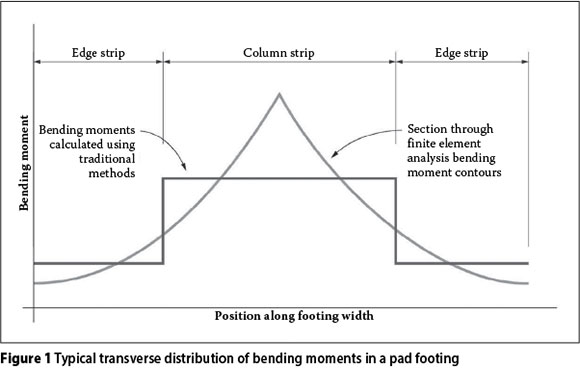
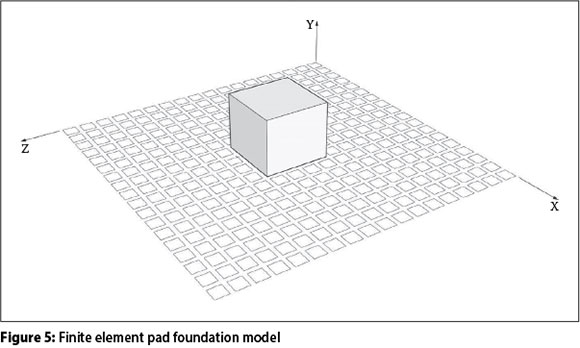
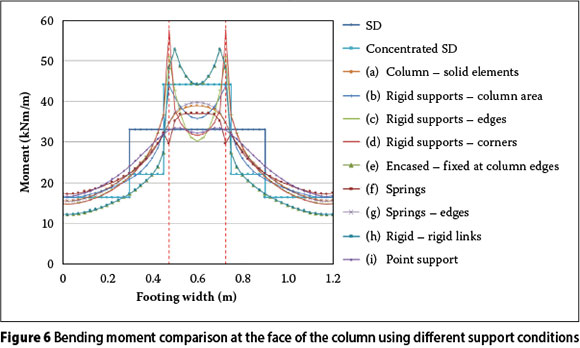
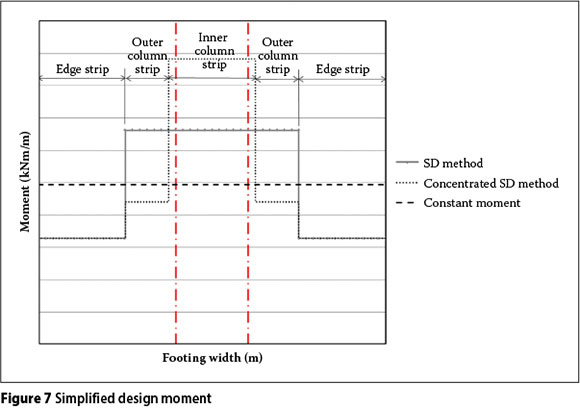
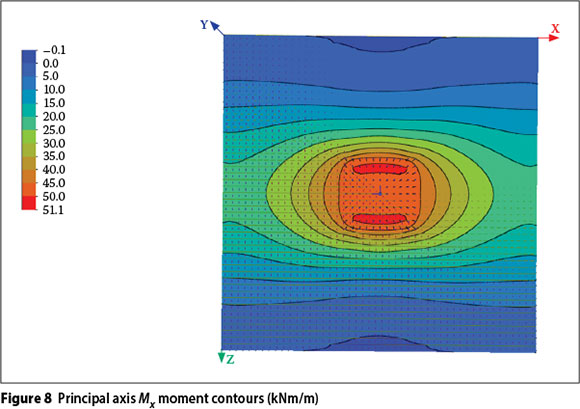
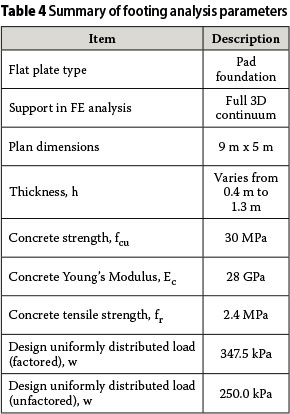
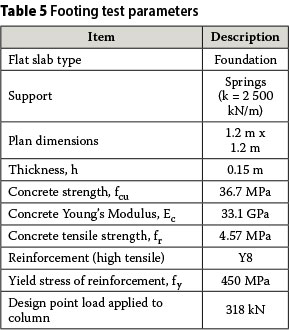
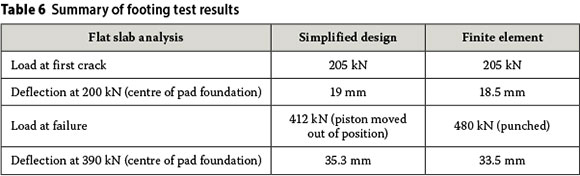
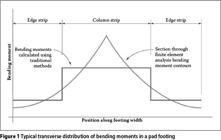
Finite Element methods have been used by civil and structural engineers since the 1960s, and the theory behind this is well researched. However, there is still a lack of direction on how to use the information obtained from this type of analysis to practically design a structure for strength and serviceability criteria. Design codes are broadly based on simplified calibrated strength models and are consistent with simplified and practical detailing. In this paper traditional methods of analysis of a simple pad foundation are compared with the linear finite element method, and the results compared to experimental results. The following questions are answered: ■ Are the traditional simplified methods adequate with respect to overall strength? ■ To what extent may finite element peaks or singularities be averaged or smoothed without compromising durability and serviceability? ■ How should the reinforcement obtained from linear finite element methods be detailed?
 Thumbnail
 Thumbnail
 Thumbnail
 Thumbnail
 Thumbnail
 Thumbnail
 Thumbnail
 Thumbnail
 Thumbnail
 Thumbnail
 Thumbnail
 Thumbnail
 Thumbnail
 Thumbnail
 Thumbnail
 Thumbnail
 Thumbnail
 Thumbnail
 Thumbnail
 Thumbnail
 Thumbnail
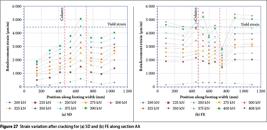 Thumbnail
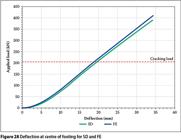 Thumbnail
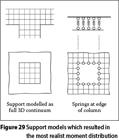 Thumbnail
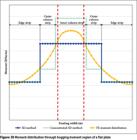 Thumbnail